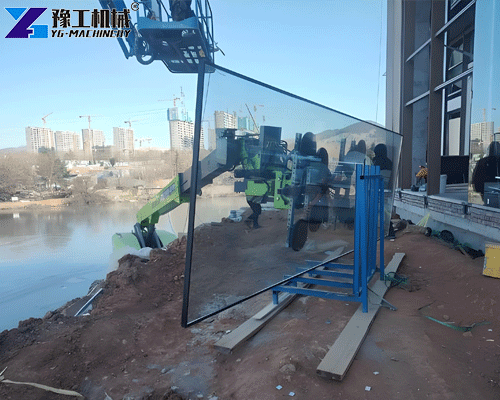
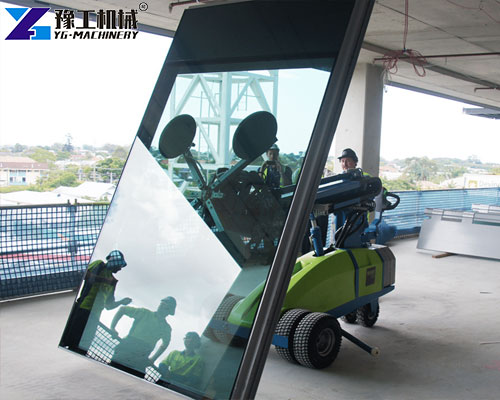
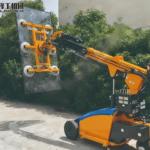
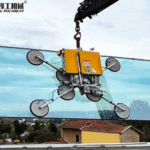
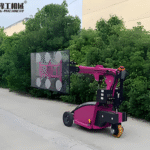
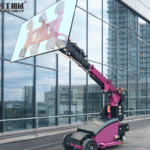
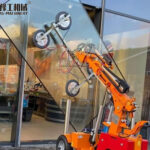
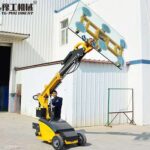
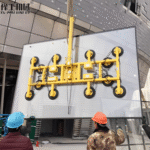
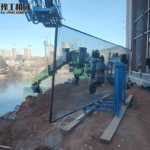
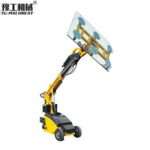
glass lifter machine for glass curtain wall installation
glass lifting robot via wireless remote system
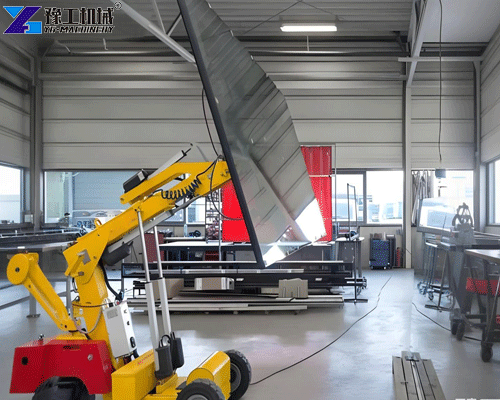
Installing large glass panels by glass installation equipment has always been one of the most challenging tasks on a construction site. Traditional glass installation relies heavily on manpower, cranes, and experience. A glass robot takes a different approach. By combining a vacuum glass lifter machine with flexible mobile equipment, it changes how glass is lifted, positioned, and installed on modern construction sites.
A glass robot is not a single fixed machine. In practical applications, it can be understood as:
Glass robot = glass lifter machine + mobile base
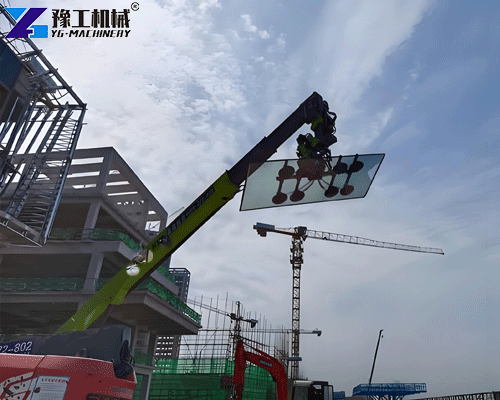
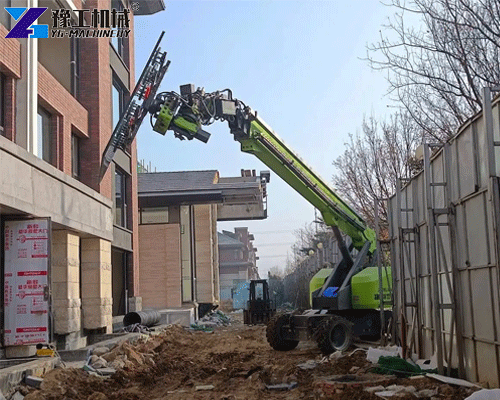
The glass lifter machine is a vacuum-based lifting unit responsible for gripping, rotating, tilting, and precisely positioning glass panels. The mobile base provides movement and reach, and can be a forklift, telehandler, crane, or spider crane depending on the job site.
This modular concept is what makes glass robots fundamentally different from traditional glass installation methods.
Traditional Glass Installation: Limitations and Risks
Traditional glass installation often relies on manual labor combined with basic lifting tools such as slings, hooks, or simple cranes. While still used in some projects, this approach has clear limitations:
High labor intensity and safety risks
Limited precision when positioning large glass panels
Higher breakage rates, especially with oversized or tempered glass
Inefficient for repetitive or high-volume installations
As glass panels become larger and buildings more complex, these limitations become more apparent.
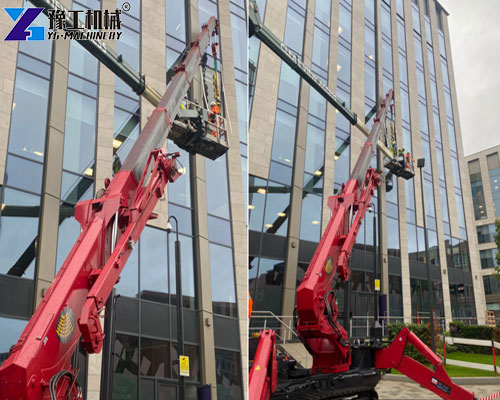
Confined or sensitive sites: Spider crane + glass robot
This approach allows contractors to control costs while maintaining safety and efficiency.
Why “Right Solution” Matters More Than “High Price”?
A common misconception is that higher-priced equipment automatically delivers better results. In reality, mismatched equipment often leads to:
Lower efficiency
Higher operating costs
Unnecessary safety risks
A modular glass robot system allows users to adapt the same glass lifter machine to different mobile bases, reducing overall investment and improving return on equipment.
Compared with traditional glass installation methods, a glass robot offers a smarter and more adaptable approach. By combining a glass lifter machine with the right mobile base—forklift, telehandler, crane, or spider crane—contractors can tailor their solution to each project’s real needs.
The goal is simple: choose the right equipment combination, not the most expensive machine. Contact us to know more details now!【WhatsApp/WeChat/Phone】+86 13837115193.