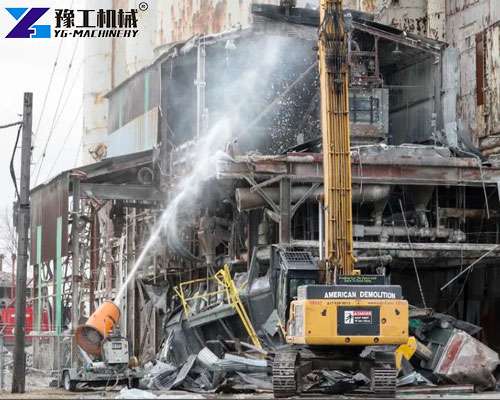
Construction dust is a serious environmental and health concern. Fine particles generated during excavation, demolition, and material handling can affect air quality, human health, and nearby ecosystems. To address this, many countries have introduced environmental regulations for construction dust control.
Below, we answer the most common questions about these regulations and how effective equipment like fog cannon and dust suppression equipment can help your project stay compliant.
Q1: Why is construction dust regulated?
Construction dust contains PM10 and PM2.5 particles, which can penetrate deep into the lungs. Prolonged exposure can cause respiratory diseases, cardiovascular problems, and environmental damage.
Environmental regulations aim to:
- Protect workers and nearby residents
- Maintain local air quality standards
- Prevent dust from spreading to roads, water bodies, and residential areas
Non-compliance can lead to fines, project delays, or permit revocation.
Q2: What are the common construction dust control requirements?
Different countries may have specific rules, but most regulations cover:
1.Dust emission limits
Construction sites must keep airborne particulate matter within allowed thresholds, especially near urban areas, schools, or hospitals.
2.Mandatory dust suppression measures
Regulations require active control during high-dust activities such as excavation, demolition, or material stockpiling.
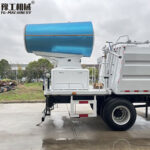
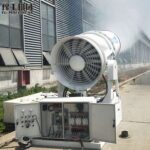
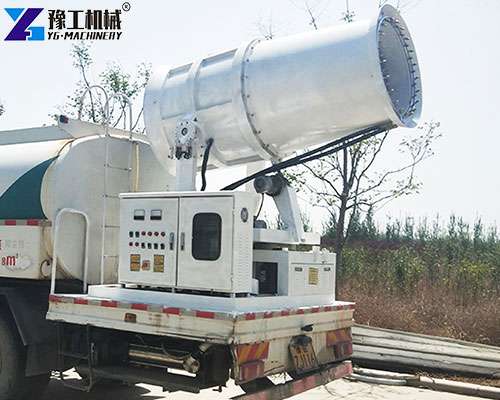
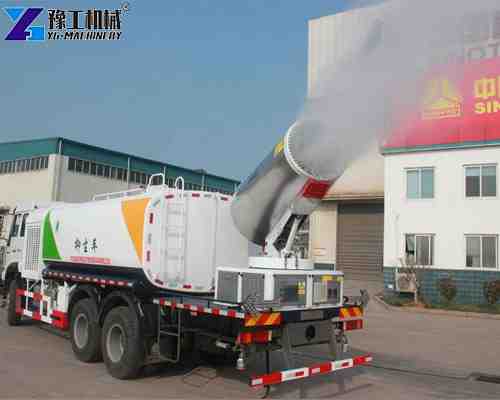
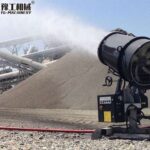
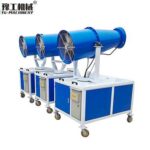
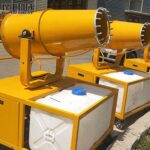
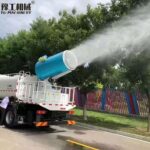
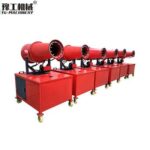
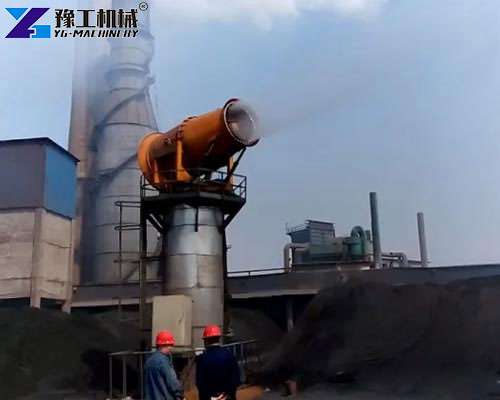
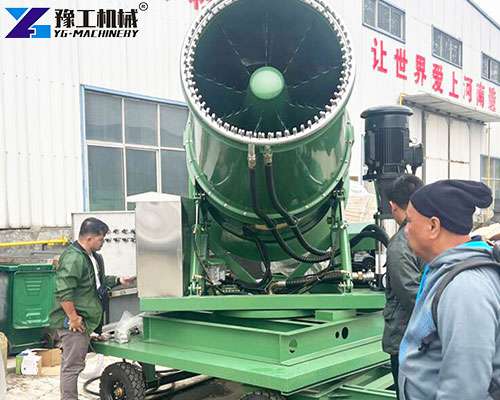
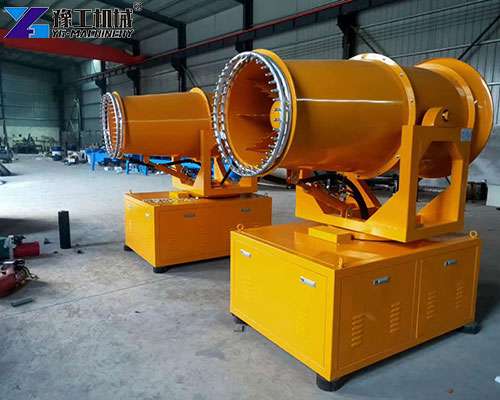
✅ Using modern dust suppression equipment or fog cannon is an approved and effective solution.
3.On-site dust management plans
Projects often need to submit a dust control plan, including:
- Identified dust sources
- Equipment and measures used
- Monitoring and inspection procedures
4.Monitoring and record-keeping
Regulators may require:
- Daily dust logs
- Equipment operation records
- Maintenance and inspection reports
5.Special rules for sensitive areas
Projects near residential communities, schools, hospitals, or ecological zones usually need stricter controls and continuous monitoring.
Q3: How do regional regulations differ?
- Europe: Focus on strict air quality compliance and environmental impact assessments;
- North America: Focus on PM limits, worker safety, and public reporting;
- Middle East: Enforce dust control due to arid climate and frequent winds;
- Asia-Pacific: Increasingly adopt international standards to reduce urban air pollution.
Contractors operating internationally must understand local regulations to choose the right equipment.
Q4: How can dust control equipment help meet regulations?
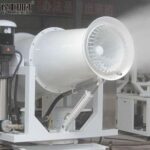
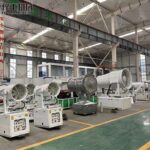
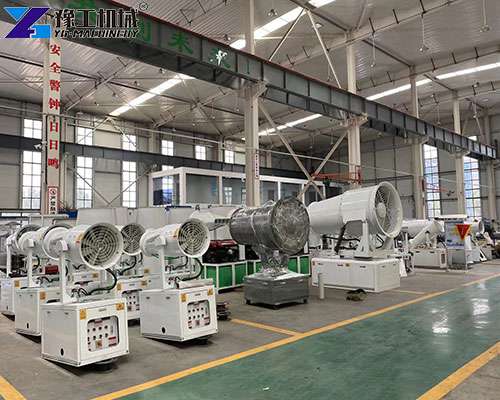
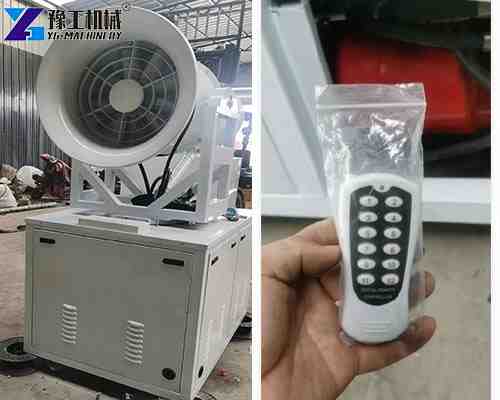
Proper equipment is essential for compliance. Dust suppression cannon and fog cannon machine can:
- Reduce airborne dust at the source
- Cover large construction or mining areas
- Lower water consumption compared to traditional spraying
- Operate efficiently in harsh environments
Using this equipment helps projects comply with regulations while improving safety and operational efficiency.
Q5: What is the takeaway for contractors?
Environmental regulations for construction dust are stricter than ever. Projects that understand these requirements and use effective fog cannon or dust suppression equipment solutions can:
- Avoid penalties and project delays
- Protect workers and surrounding communities
- Ensure smoother and more sustainable construction operations
Proper dust control is not just a legal obligation—it’s an investment in project success and long-term compliance.