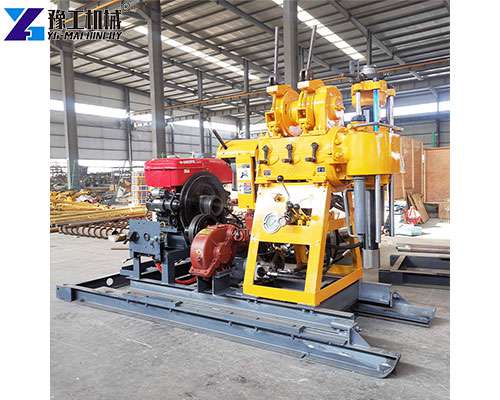
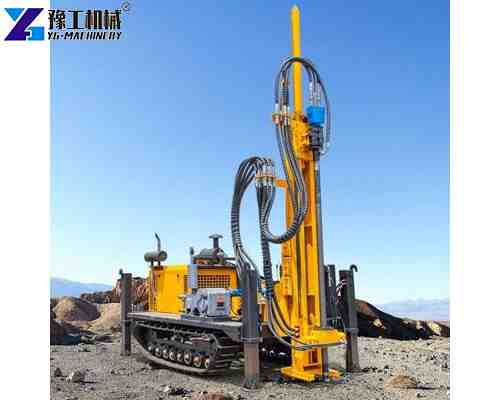
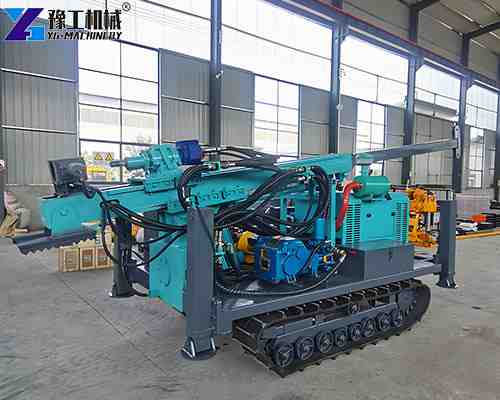
Selecting the right core drilling rig is a critical decision for construction, mining, and geotechnical projects. At the consideration stage, buyers focus on matching equipment capabilities with project requirements rather than price or specific models. This guide highlights the key parameters, operational considerations, and selection tips to help you choose the best rig for your site.
1.Drilling Rig Types and Suitable Applications
Different core drilling rigs are designed for different projects:
- Water well and geotechnical drilling: Ideal for projects requiring shallow to medium-depth boreholes.
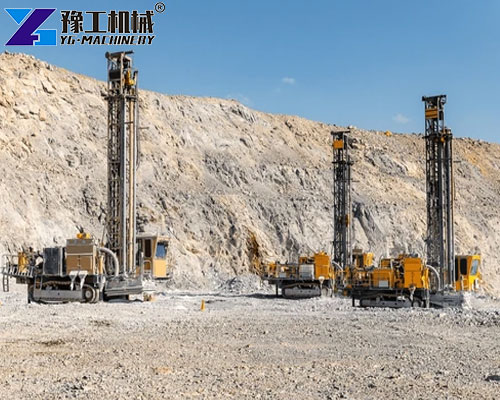
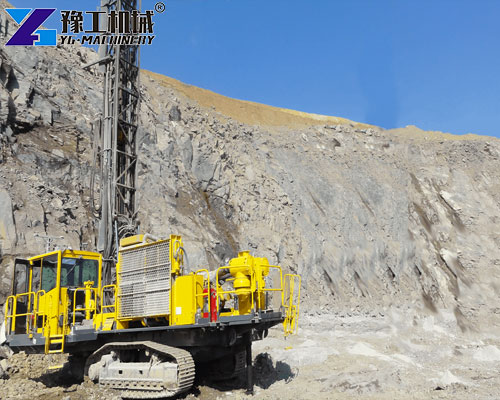
- Exploration and mining drilling: Requires rigs capable of deeper penetration and handling harder rock layers.
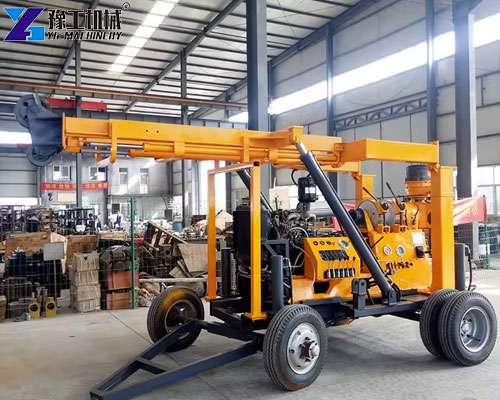
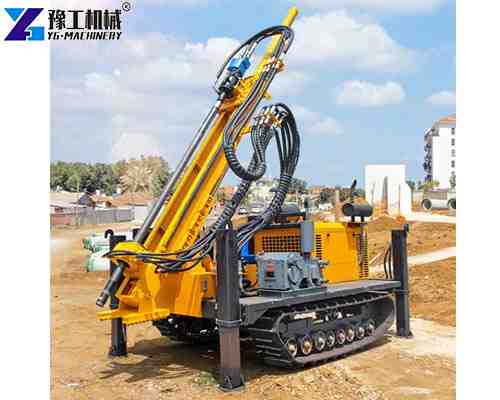
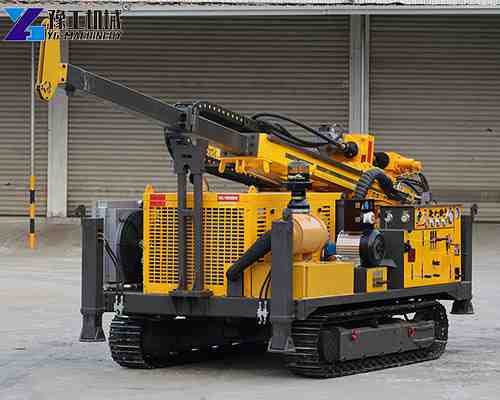
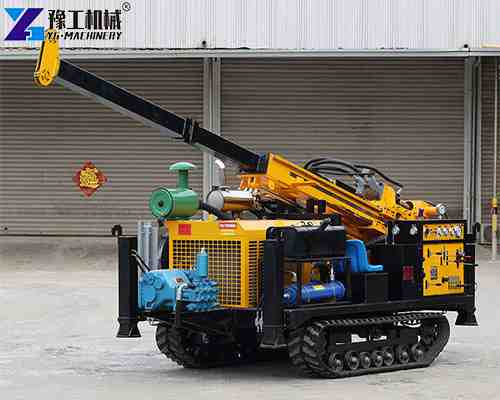
- Mobile vs fixed rigs: Mobile rigs offer flexibility for changing sites, while fixed rigs are suitable for long-term projects.
Learn more about diamond core drill rigs for geological and mineral exploration projects.
2.Key Parameters to Consider
When comparing rigs, focus on the parameters that directly impact project efficiency and feasibility:
| Parameter | Consideration |
| Drilling depth | Ensure the rig can reach the project’s required borehole depth. |
| Drill diameter range | Choose based on core sample size and testing requirements. |
| Power type | Diesel, electric, or hydraulic rigs have different advantages in portability, emissions, and operational cost. |
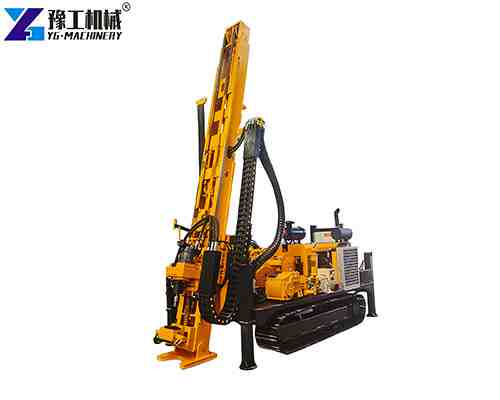
| Mobility | Track-mounted or wheel-mounted rigs are better for rough terrain, while trailer-mounted rigs suit road-accessible sites. |
| Cooling & mud system | Proper cooling and cuttings removal are essential for core quality and drill longevity. |
For detailed specifications, see our core drilling machine product page.
3.Operational Efficiency and Core Quality
Project managers care about how fast and reliably a rig operates:
- Continuous drilling capability: Some rigs can run multiple shifts without overheating.
- Core integrity: The ability to recover intact rock cores reduces testing errors.
- Setup time and ease of operation: Quick deployment and intuitive controls minimize downtime.
4.Geological Adaptability and Risk Management
- Hard vs soft rock layers: Ensure the rig can handle expected rock hardness.
- Mixed strata conditions: Rigs with flexible drilling heads or adjustable feed systems perform better in variable geology.
- Risk mitigation: Features like torque monitoring, anti-stall systems, and hydraulic protection help avoid drill jams or damage.
Check our hydraulic crawler core drilling rig for options with advanced geological adaptability.
5.Environmental and Safety Considerations
Sustainable drilling is increasingly important:
- Noise and dust control: Electric or low-noise rigs reduce site disruption.
- Water and mud management: Efficient rigs minimize environmental impact.
- Operator safety: Automated feeds, protective cabins, and remote monitoring improve workplace safety.
6.Comparing Rigs for Decision-Making
At the consideration stage, buyers often ask:
- “Which rig is best for hard rock versus sediment layers?”
- “Should I choose mobile or fixed rigs for a multi-site project?”
- “How do power types affect operational cost and emissions?”
A structured comparison can help:
| Factor | Mobile Rig | Fixed Rig |
| Site flexibility | High | Low |
| Setup time | Short | Longer |
| Depth capacity | Medium | High |
| Suitable for multi-site projects | Yes | No |
Key Takeaways for Consideration Stage Buyers
- Focus on parameters, geological suitability, and operational efficiency, not price or exact models.
- Mobile rigs are best for changing sites, fixed rigs for long-term projects.
- Proper cooling, mud removal, and core recovery features are critical for project success.
- Environmental and safety considerations are increasingly decisive for compliance and site acceptance.
By evaluating these factors carefully, you can shortlist rigs that meet your project requirements and make informed decisions before moving to the procurement stage.
Related Posts: