RC drill rig price is primarily determined by drilling capability, configuration level, application requirements, and the engineering strength of the manufacturer rather than the initial purchase figure alone. For mineral exploration and mining projects, pricing decisions directly affect drilling efficiency, sample quality, and long-term operating costs.
Market Overview of RC Drill Rig Price
In the global drilling equipment market, RC drill rigs are positioned as mid-to-high-end exploration machines. Compared with conventional rotary rigs, their design requires more advanced air systems and enclosed sampling structures.
As a result, RC drill rig price should be evaluated as a range aligned with project requirements, not as a fixed number. Lower-spec machines may appear economical at first, but often generate higher downtime and maintenance costs in demanding field conditions.
Drilling depth, hole diameter range, and air system capacity are the most direct pricing drivers. A rig designed for 300 m drilling requires stronger structural components and higher engine output than a 200 m model.
In professional procurement, these parameters weigh more heavily than brand visibility or external design.
2. Configuration Level and System Integration
RC drilling machine price varies significantly with equipment configuration.
Key contributors include:
Air compressor pressure and airflow rating
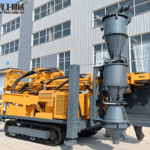
Sampling system efficiency and cyclone design
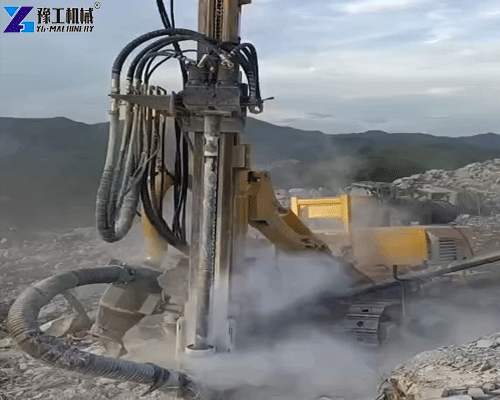
Dust control and sample handling systems
Higher configuration increases upfront cost but reduces operational risk and improves data reliability.
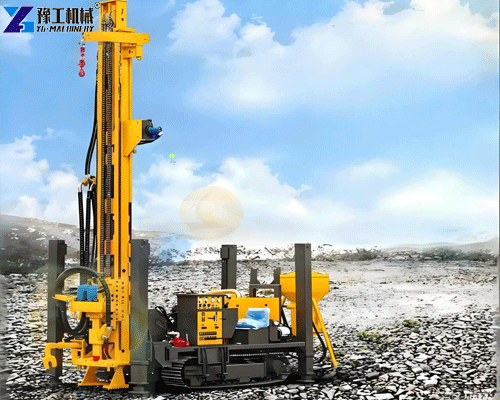
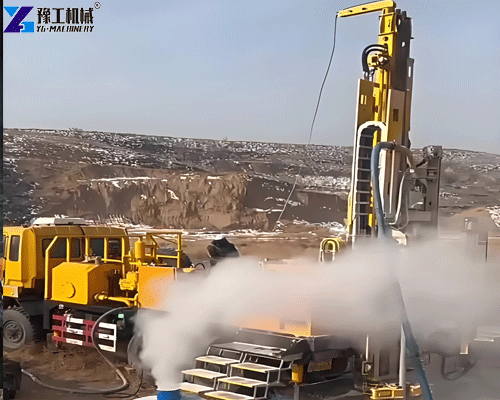
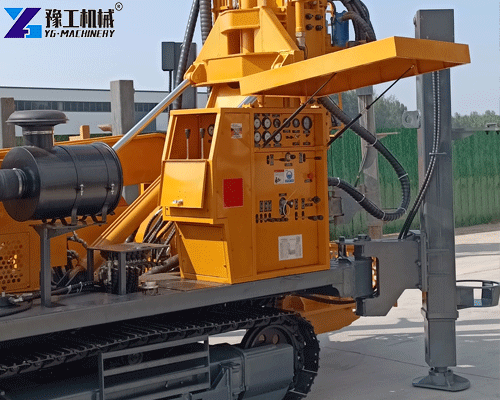
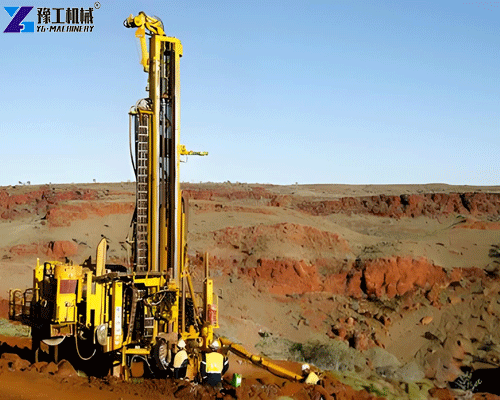
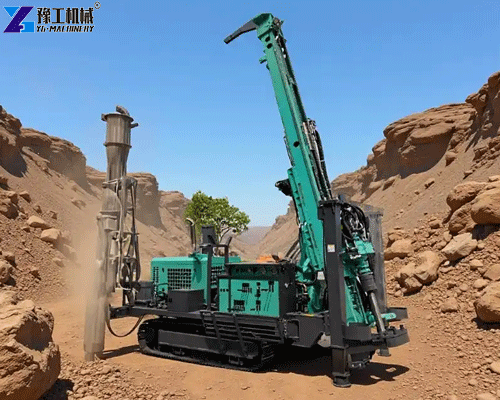
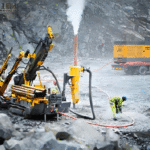
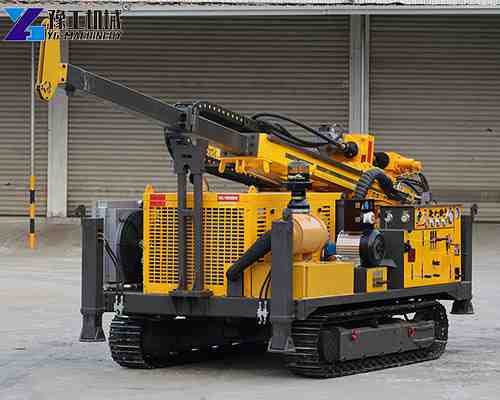
reverse circulation rig
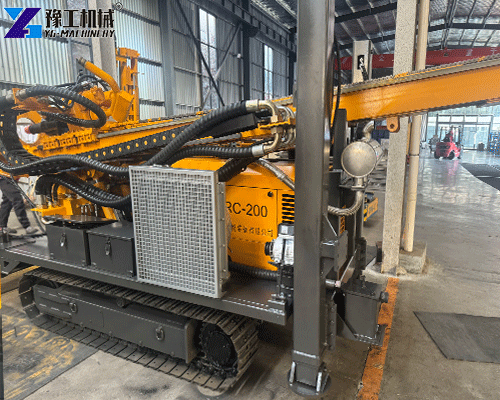
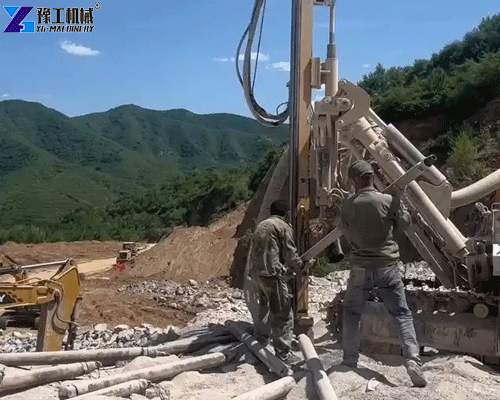
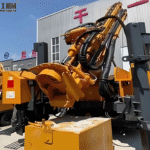
rc drilling rig assembly process at YG Machinery factory
Pricing is closely linked to the intended application.
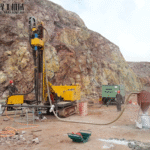
In RC drilling rig for mining projects, equipment must withstand hard rock formations, fractured zones, and continuous operation cycles. This requires reinforced chassis design, durable wear parts, and stable power systems.
Such engineering requirements are reflected directly in the final price.
4. Manufacturing Quality and Supplier Capability
The engineering standards of the RC drilling rig manufacturer play a critical role in cost structure. Established manufacturers invest more in:
Component selection and validation
Structural fatigue testing
Full-load factory commissioning
These factors may not be visible at purchase but strongly influence service life and reliability.
Conclusion: Understanding RC Drill Rig Price in Practice
RC drill rig price reflects a combination of performance capability, configuration depth, and manufacturing quality. For exploration and mining operators, selecting a technically matched rig often delivers better economic results than choosing the lowest upfront price.
Working with an experienced manufacturer enables a more balanced outcome across cost control, drilling efficiency, and data quality.