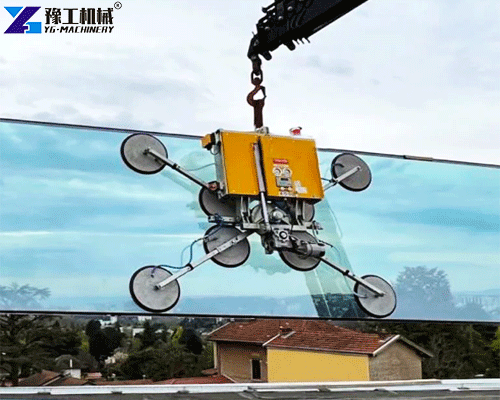
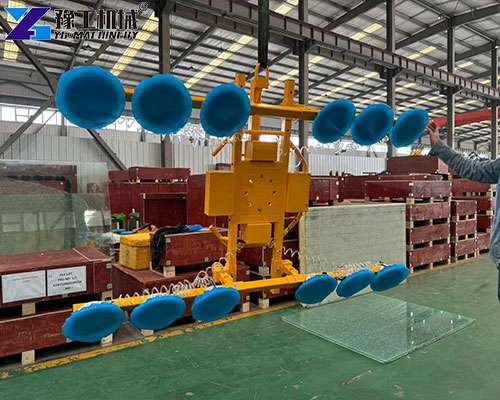
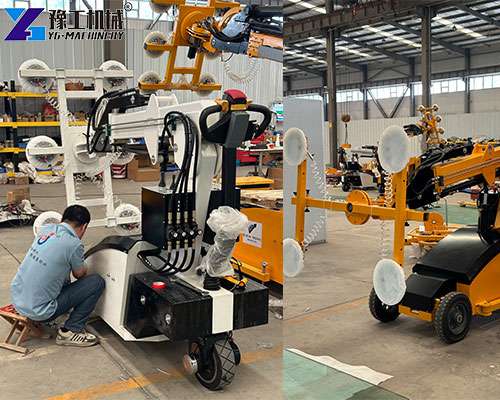
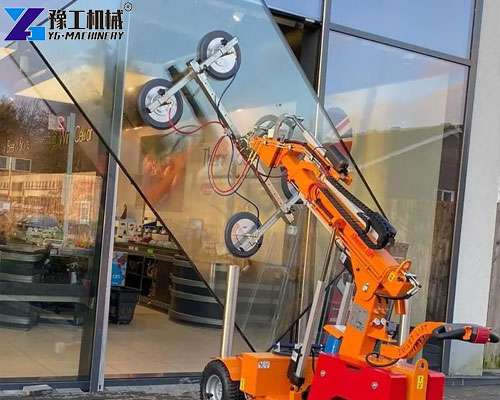
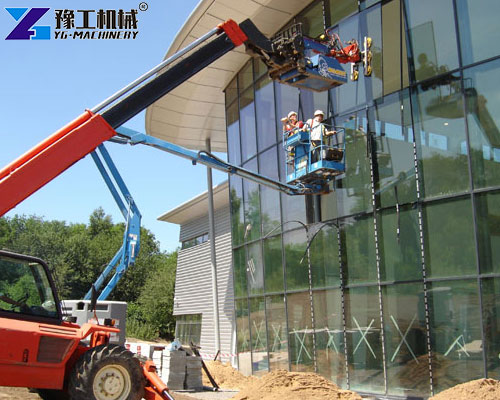
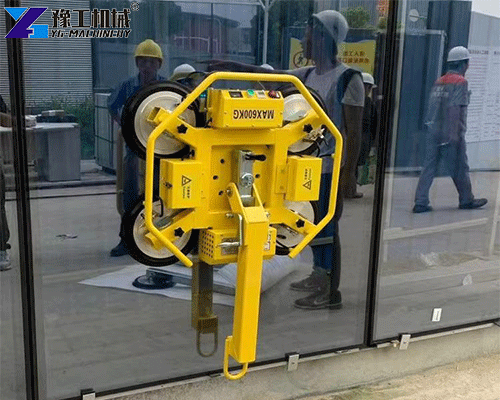
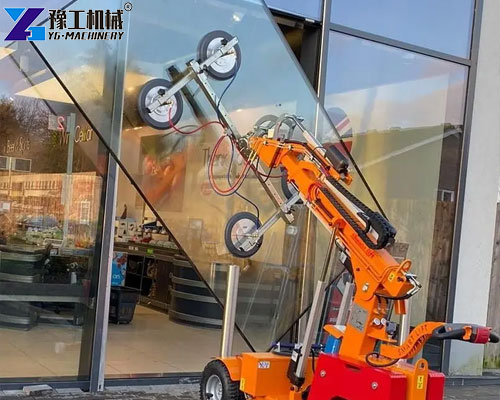
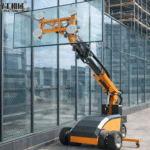
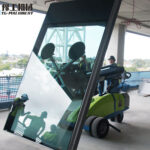
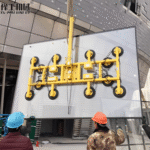
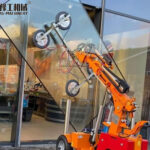
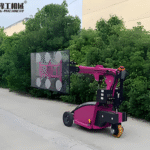
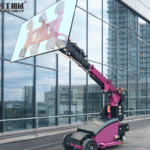
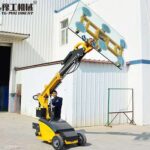
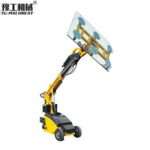
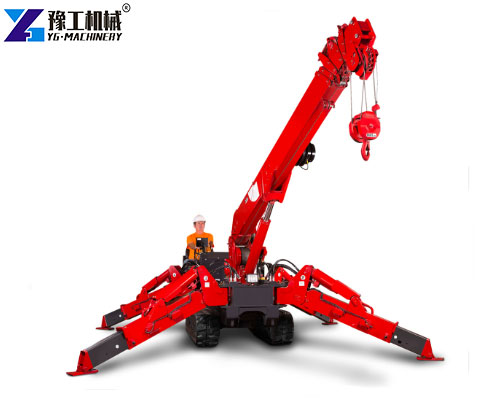
A glass vacuum lifter is a specialized handling device used to lift, move, and install glass panels safely using vacuum suction. It is widely applied in curtain wall installation, window glazing, prefabricated buildings, and industrial glass processing. When paired with a telehandler, spider crane, or articulating boom lift, a glass lifter machine enables efficient glass installation.
For most buyers, glass vacuum lifter price is not just a number—it reflects whether the machine can match the project’s glass size, site conditions, labor structure, and long-term operating cost.
One of the most direct price drivers is rated lifting capacity.
Small units (300–500 kg) for indoor glazing and workshop handling
Medium units (600–1000 kg) for curtain walls and facade installation
Heavy-duty systems (over 1000 kg) for jumbo or laminated glass
Higher capacity requires stronger frames, more suction cups, and reinforced safety systems, which directly increase manufacturing cost and final pricing.
2.Vacuum System Configuration
The vacuum system determines lifting stability and safety level.
Key elements influencing price include:
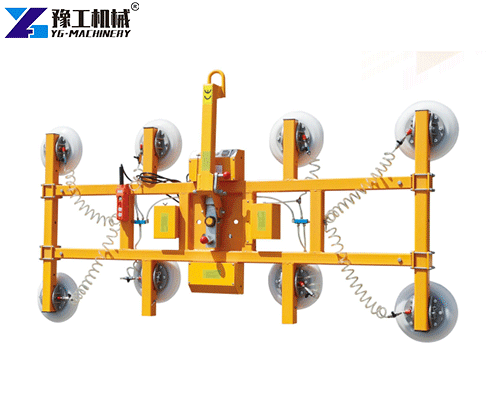
Number and size of suction cups
Vacuum pump brand and performance
Dual-circuit or redundant vacuum systems
Battery backup duration
Advanced configurations designed for continuous outdoor work or high-rise glazing will naturally raise the glass vacuum lifter price, but they significantly reduce operational risk.
Price differences become more obvious when automation is introduced.
Basic vacuum lifters rely on manual positioning
Semi-automatic models integrate electric rotation or tilting
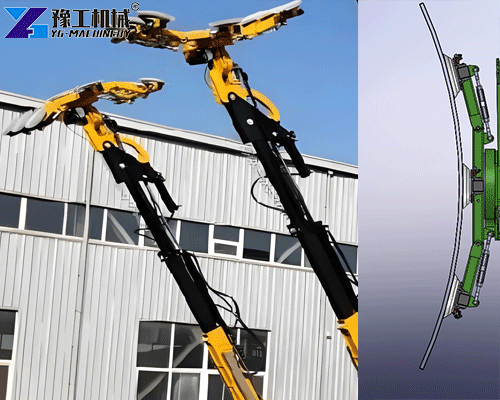
Fully automated solutions evolve into a glass lifting robot or glazing robot
Robotic systems can:
Reduce labor dependency
Improve placement accuracy
Increase productivity on repetitive or large-scale projects
However, higher automation means more sensors, control systems, and software integration, which raises upfront cost while lowering long-term labor expenses.
4.Application Scenario and Working Environment
The same vacuum lifter may be priced differently depending on where it is used.
Price is influenced by whether the equipment is designed for:
Indoor workshops or factories
Outdoor construction sites
High-rise facade installation
Uneven ground or mobile platforms
Machines engineered for wind resistance, weather protection, and mobile integration (cranes, forklifts, manipulators) require additional structural and safety design.
Standard models are more cost-efficient, while customized solutions affect pricing.
Common options that increase cost include:
Adjustable suction layouts for irregular glass
Remote control operation
Automatic angle correction
Integration with cranes or aerial platforms
Buyers looking for a glass vacuum lifter for sale should evaluate whether customization is essential or if a standardized model already meets project needs.
6.Manufacturer Type: Factory vs Trading Company
An often-overlooked factor in glass vacuum lifter price is the supply chain.
Factory-direct manufacturers:
Control raw materials and production processes
Eliminate middleman markups
Offer faster customization and technical support
YG Machinery operates as a manufacturing factory, not a reseller. This structure allows competitive pricing while maintaining strict quality control and consistent performance standards.
YG Machinery focuses on practical engineering rather than inflated specifications.
Key advantages include:
Factory-direct pricing with no unnecessary markup
Stable quality components suitable for international projects
Flexible configurations for different glass handling scenarios
Export experience supporting global delivery and after-sales service
For buyers comparing glass vacuum lifter price, the value lies in matching real application needs with reliable manufacturing, not simply choosing the lowest number.
adjustable suction pads on glass lifting machine
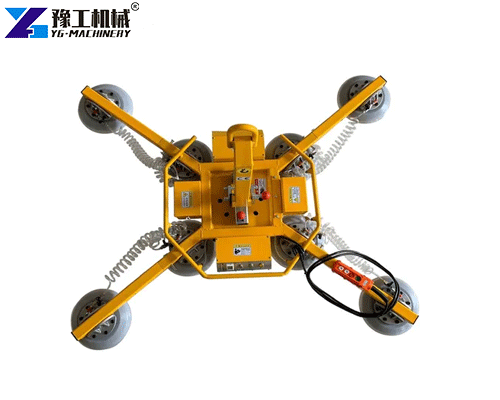
glass vacuum lifter for sale
FAQ about Glass Vacuum Lifter
Q1: Why do similar-looking vacuum lifters have very different prices? Because internal components such as vacuum pumps, control systems, and safety redundancy vary significantly.
Q2: Is a glass lifting robot always more expensive? Yes in upfront cost, but it often reduces labor expenses and installation time over the project lifecycle.
Q3: Can I get a cost-effective model for small projects? Yes. Factory-standard models without excessive automation are ideal for budget-controlled applications.
Q4: Does factory-direct supply affect delivery time? Usually positively. Direct manufacturers like YG Machinery can control production schedules and spare parts availability.
When evaluating glass vacuum lifter price, focus on capacity, safety systems, automation level, and manufacturer credibility. A well-matched machine from a reliable factory delivers lower total cost of ownership, better site efficiency, and safer glass handling over time. Our factory’s glass handling robots are very popular with our customers. If you are comparing options or planning a specific project, a configuration-based quote from YG Machinery can provide a clearer and more accurate investment picture. Contact us to know more details now!【WhatsApp/WeChat/Phone】+86 13837115193.