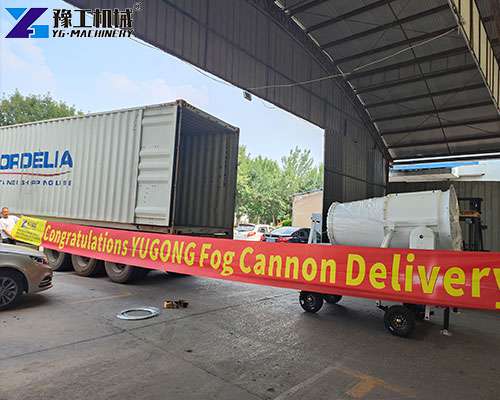
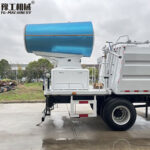
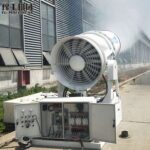
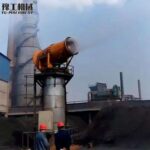
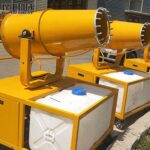
Controlling dust effectively is a critical requirement for construction sites, mining areas, and industrial projects. Common dust control methods include fog cannons, water trucks, and fixed piping dust control systems. While all three can reduce dust, their performance, efficiency, and suitability vary greatly depending on site conditions.
This guide compares these methods from a practical perspective to help project owners choose the most suitable dust suppression solution.
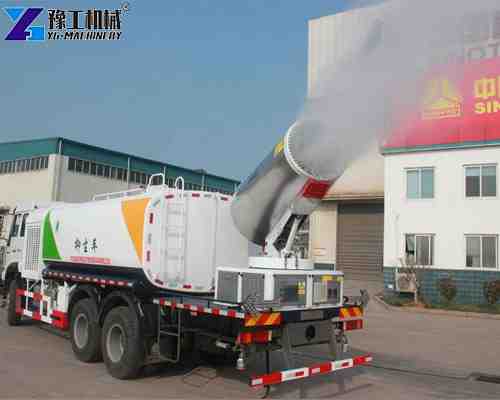
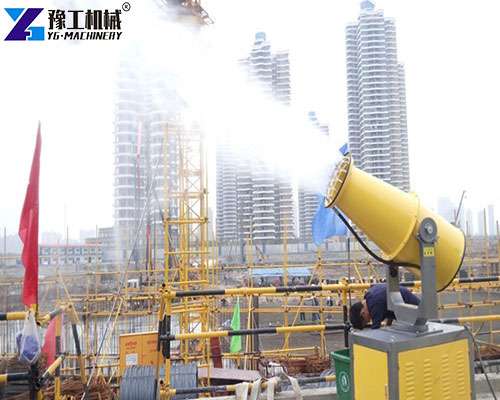
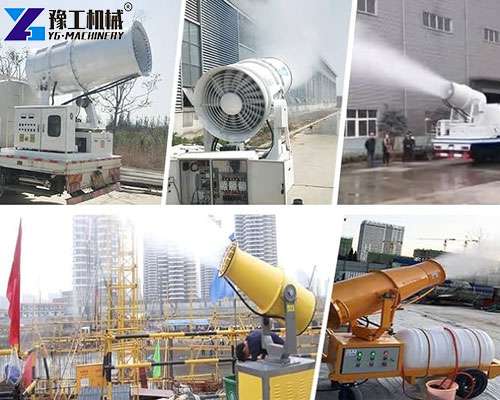
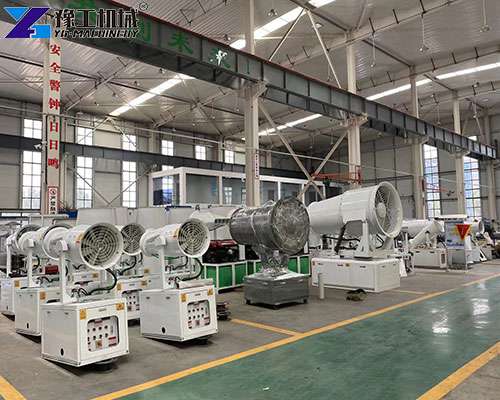
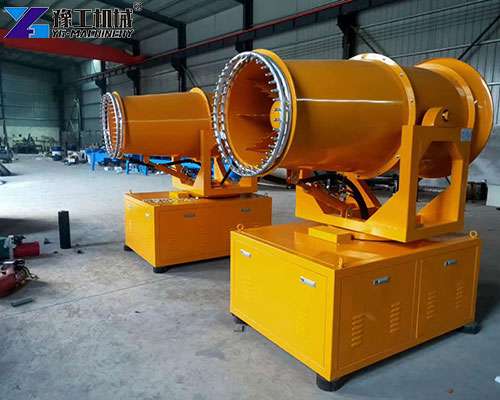
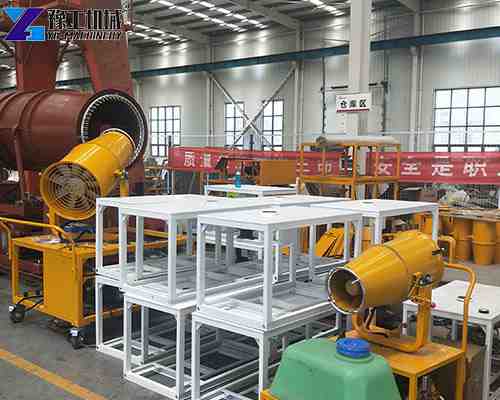
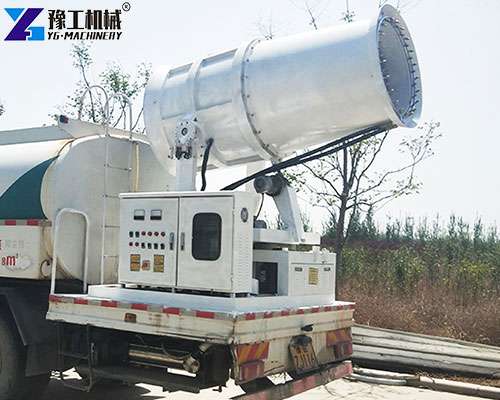
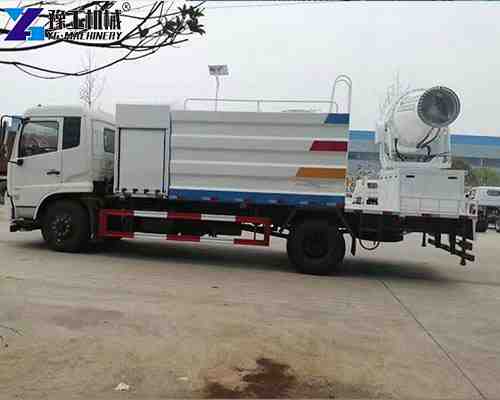
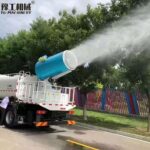
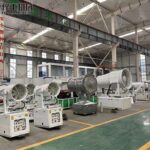
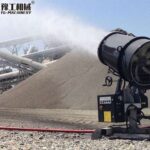
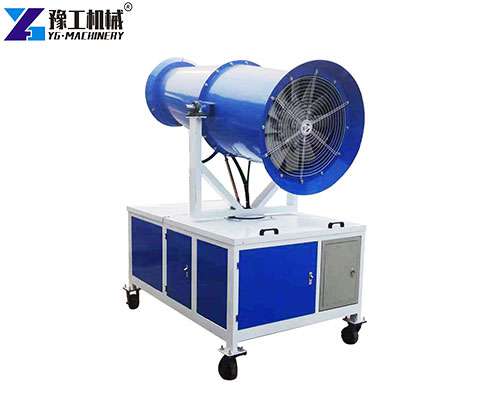
A fog cannon (mist cannon) uses high-pressure water atomization combined with strong airflow to produce fine mist particles. These particles remain suspended in the air and bind with airborne dust, causing it to settle quickly.
Designed to control airborne dust
Covers wide and open areas
Suitable for continuous operation
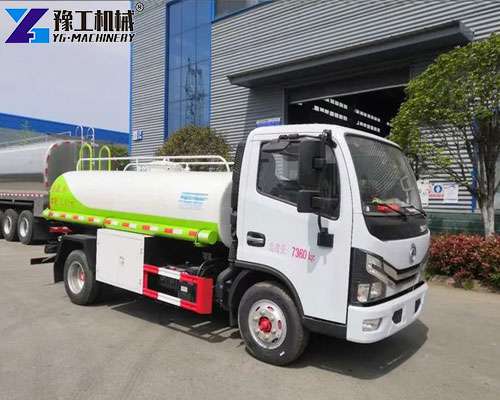
Water Truck
A water truck sprays water directly onto ground surfaces such as roads, stockpiles, and working zones. Dust is controlled by keeping surfaces moist.
Focuses on surface dust suppression
Highly mobile and flexible
Requires repeated operation
Fixed Piping Dust Control System
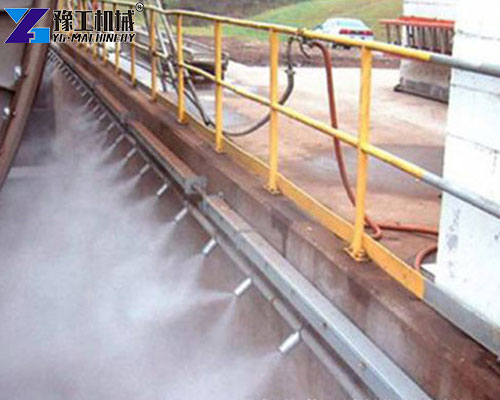
A fixed piping dust control system delivers water slowly through fixed pipes installed along roads or boundaries. It keeps specific areas wet over long periods.
Fog cannon trucks are generally the most effective solution due to their wide coverage and ability to control airborne dust over large areas. They are especially suitable for blasting zones, material handling areas, and open-pit mines.
Temporary Roads and Mobile Work Areas
Water trucks are better suited for sites that change frequently or require rapid relocation. They work well for short-term road dust control but often involve higher water and labor costs.
Fixed Roads and Site Boundaries
Fixed piping dust control systems perform best in permanent or semi-permanent locations, such as long access roads or perimeter zones. However, they are not suitable for dynamic construction environments.
Environmental Compliance and Operating Efficiency
From an environmental regulation perspective, fog cannons typically offer better compliance support because they:
Reduce airborne dust more effectively
Use water more efficiently
Require fewer operators
Water trucks may struggle to meet stricter dust emission limits due to inconsistent coverage, while drip systems are limited to specific areas and cannot control airborne dust effectively.
Cost Considerations (Without Pricing)
While initial investment varies, long-term operating costs are often influenced by:
Water consumption
Labor dependency
Equipment operating hours
Fog cannons and drip systems usually have lower long-term labor costs compared to water trucks, which rely heavily on manual operation.