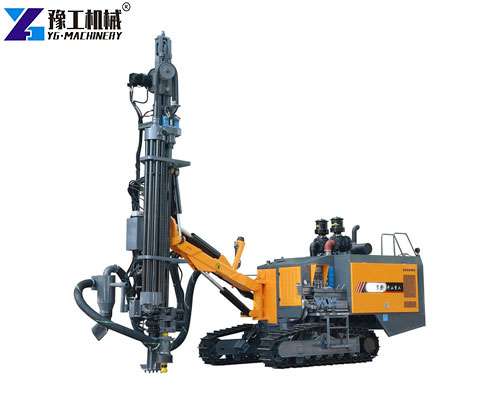
Drilling and Splitting Excavator Attachment for Sale
For 20–65 Ton Excavators | Integrated Drilling & Hydraulic Rock Splitting | No Explosives Required
drilling and splitting excavator attachment
excavator mounted integrated rock drill splitter
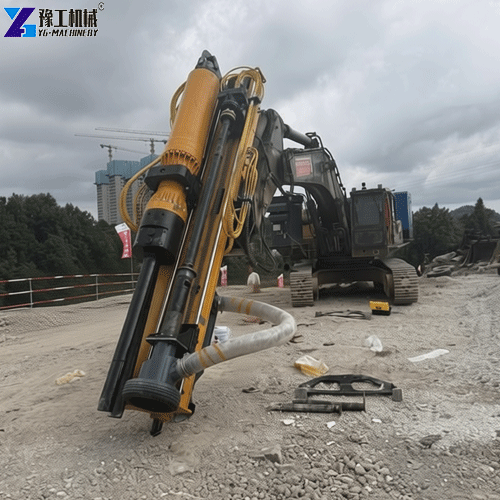
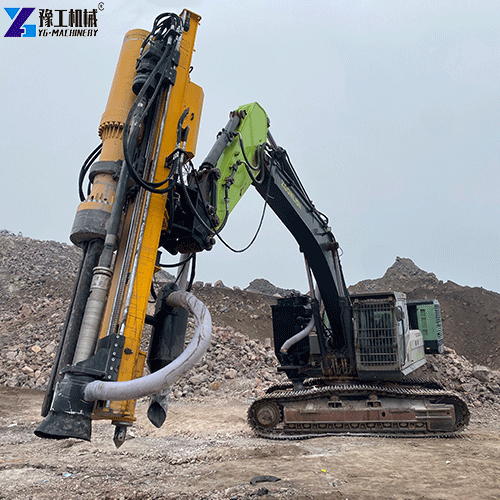
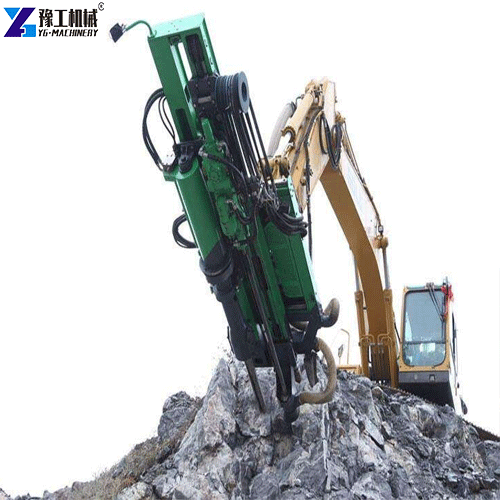
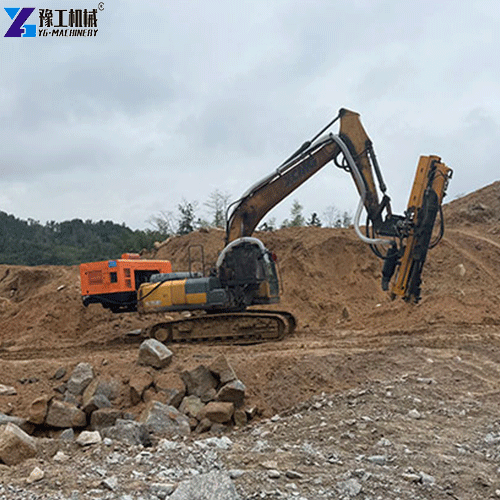
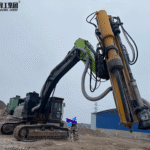
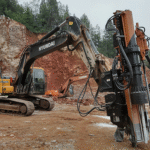
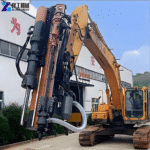
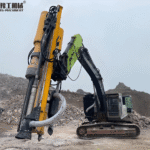
Already own an excavator and need an efficient solution for hard rock excavation? The YG drilling and splitting excavator attachment adds hydraulic rock drilling and splitting capabilities to your existing machine, eliminating the need to purchase a separate drilling rig for these operations.
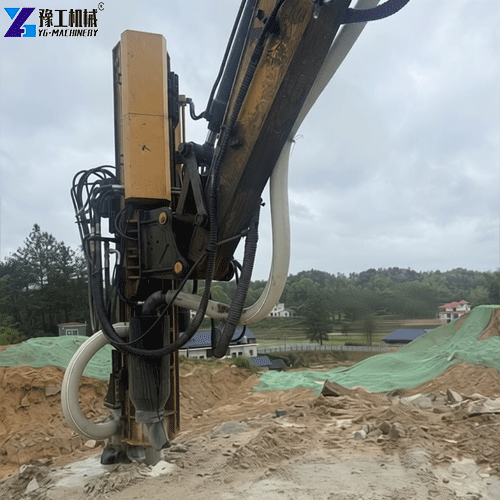
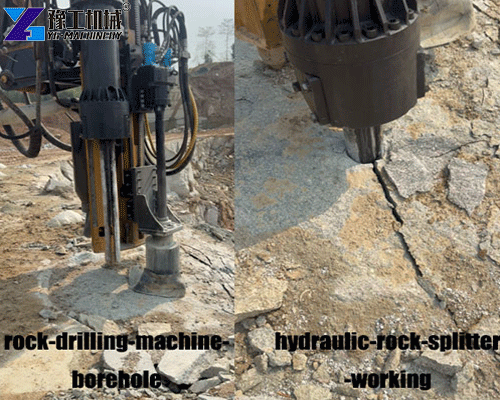
Designed for 20–65 ton excavators, this integrated hydraulic rock drill and splitter attachment supports both vertical and horizontal drilling. After drilling, the mast rotates 90° to position the hydraulic splitting lance inside the hole. This allows operators to switch from drilling to splitting without removing the complete attachment.
It is a practical solution for quarrying, mining, foundation excavation, tunnel construction, and other projects where controlled rock breaking is required.
Key Benefits
Two operations in one attachment: Drill holes and split rock using the same excavator-mounted system.
90° mast rotation: Switch between drilling and splitting without changing the complete attachment.
20–65 ton excavator compatibility: Select a model according to your existing machine.
Controlled rock breaking: Split rock hydraulically without explosives.
Lower equipment investment: Expand your excavator’s capabilities without purchasing a separate drilling rig.
Choosing the right hydraulic rock drill and splitter attachment starts with your carrier machine. Excavator operating weight, hydraulic flow, working pressure, and mounting configuration all affect compatibility and performance.
YG offers configurations for excavators in the 20–65 ton range.
Model
Compatible Excavator Weight
Key Specifications
YG1000
20–36 tons
Splitting force up to 12,000 tons
YG1500
36–48 tons
30 kW drilling power; 135 mm drilling diameter; splitting force up to 15,000 tons
YG2000
48–65 tons
Splitting force up to 30,000 tons
Final configuration depends on the selected model and project requirements.
What Should You Confirm Before Ordering?
To ensure the attachment matches your excavator, provide:
Excavator model and operating weight
Hydraulic flow and working pressure
Mounting interface and installation requirements
Rock type and required drilling diameter and depth
Project application and expected working conditions
These details help YG recommend a suitable excavator rock splitting attachment for your machine rather than a generic configuration.
Why Choose a Drilling and Splitting Attachment Instead of a Rock Breaker?
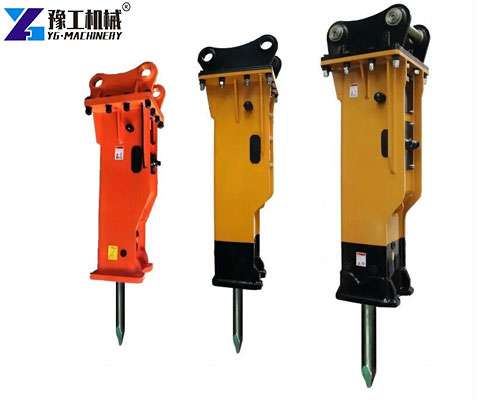
A hydraulic rock breaker uses repeated impact to fracture rock. A drilling and splitting excavator attachment first drills a hole and then applies hydraulic force through a wedge mechanism to split the rock.
Feature
Drilling and Splitting Attachment
Hydraulic Rock Breaker
Working method
Drilling followed by hydraulic splitting
Repeated impact
Drilling capability
Integrated hydraulic drill
No integrated drilling system in a conventional breaker
Rock-breaking control
Splitting direction influenced by hole positioning and arrangement
Breaks rock through repeated impacts
Typical applications
Controlled rock excavation and restricted blasting areas
Demolition and general rock breaking
The key advantage is the combination of drilling and splitting in one attachment. For contractors who regularly excavate hard rock and need a controlled breaking method, this can expand an existing excavator’s capabilities without requiring a separate drilling rig.
Applications of Hydraulic Rock Drill and Splitter Attachments
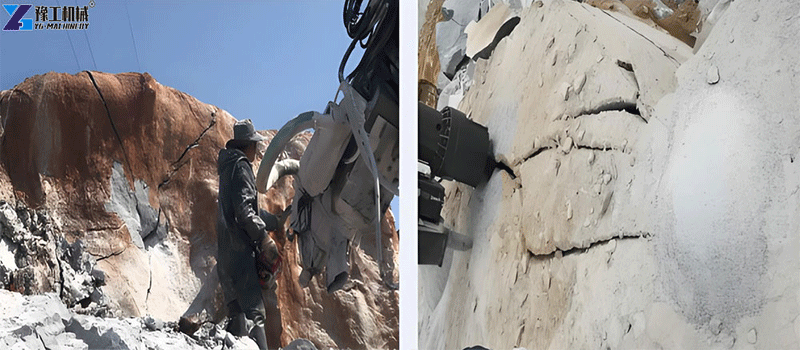
Quarrying and Mining: Drill and split hard rock into manageable sections for excavation, loading, or crushing. This method can be useful in areas where blasting is restricted or a more controlled breaking process is required.
Foundation Excavation: Remove bedrock during basement, foundation, and deep excavation work. Hydraulic splitting can be an alternative to blasting near existing buildings and underground utilities.
Tunnel Construction: Perform suitable rock drilling and splitting operations where working space, access, and excavation geometry require a controlled approach to rock removal.
Road Construction: Break rock along road cuts, drainage routes, and foundation areas where conventional blasting may be impractical.
Excavation Near Existing Structures: Hydraulic splitting avoids explosive shock waves and can reduce blast-related disturbance. Actual vibration and noise levels depend on the equipment, geology, and operating conditions.
excavator rock drilling splitting attachment quarry
FAQ about Hydraulic Rock Drill and Splitter Attachment
1. Can the attachment drill both vertically and horizontally?
Yes. The attachment supports vertical and horizontal drilling. The appropriate configuration depends on the project layout and working conditions.
2. How does the attachment switch from drilling to splitting?
After drilling, the mast rotates 90° to position the hydraulic splitting lance inside the hole. This eliminates the need to remove the complete attachment between operations.
3. Can hydraulic splitting replace explosive blasting?
Hydraulic splitting is an alternative for projects where blasting is restricted or undesirable. It uses a hydraulic wedge mechanism rather than explosives, making it suitable for many controlled rock excavation applications.
4. What happens if the wedge gets stuck?
This is rare. The hydraulic system has a reverse function. It can retract the wedge with full power. For very sticky materials, YG advises reducing the splitting force slightly before starting the cycle.
5. What information is needed for a quotation?
Provide your excavator brand and model, operating weight, hydraulic flow and pressure, rock type, required hole dimensions, and project application. YG can use this information to recommend a suitable attachment and provide a quotation.
Get a Quote for Your Drilling and Splitting Excavator Attachment
Expand your existing excavator’s capabilities with an integrated hydraulic rock drilling and splitting system.
Contact YG today with your excavator specifications and project requirements to discuss model selection, technical details, and pricing.