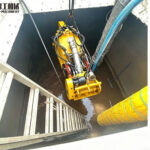
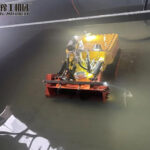
Sewer Sludge Removal Robot for Municipal Pipelines
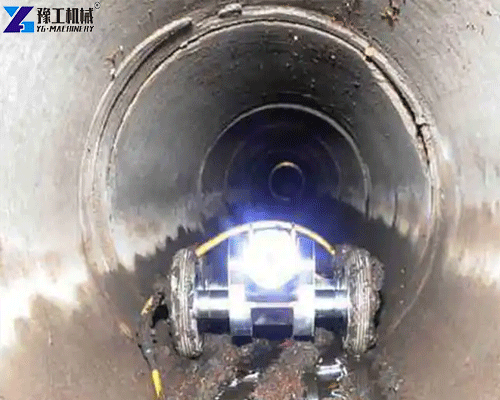
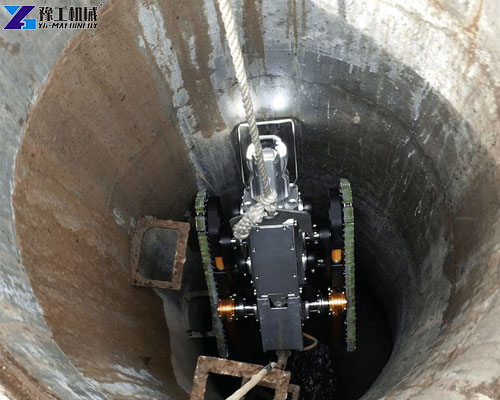
sewer cleaning robot for sale
urban drainage pipe cleaning robot
When sludge, sediment, grease, and organic deposits build up inside large municipal pipelines, conventional flushing or manual cleaning may not be enough.
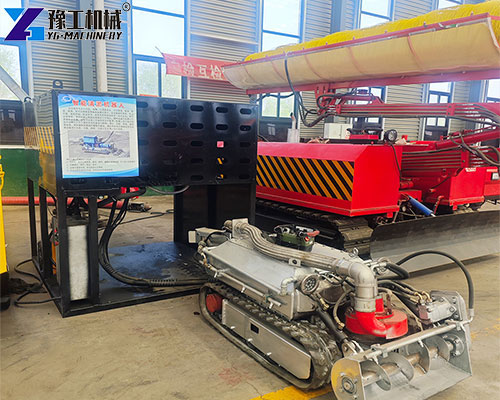
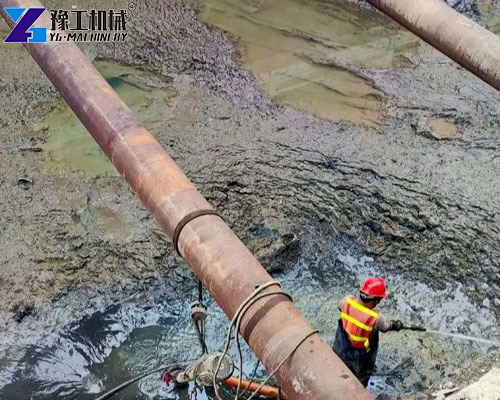
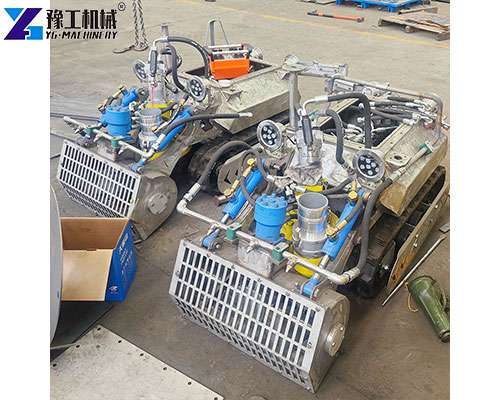
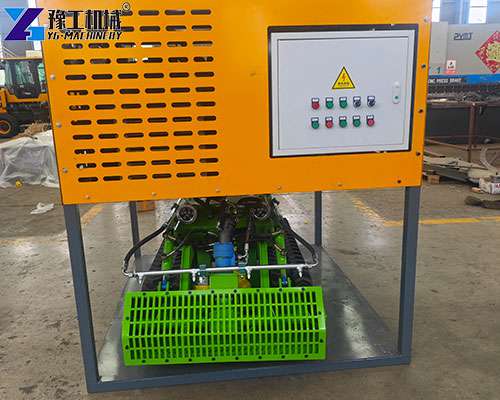
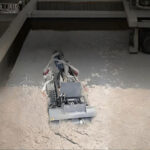
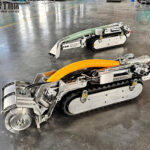
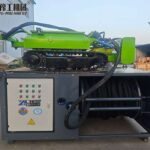
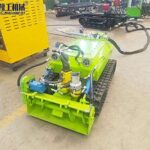
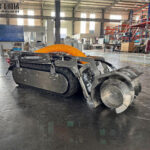
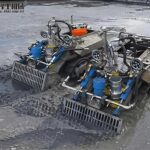
The YG sewer sludge removal robot is designed specifically for removing accumulated sludge from large-diameter sewer and drainage pipelines. It combines a tracked crawler system, high-pressure water jet, cutting and loosening tools, and a hydraulic slurry transfer pump to break up compacted deposits, turn them into pumpable slurry, and transfer the material out of the pipeline.
Remote operation allows workers to control the robot from outside the pipeline, reducing the need for personnel to enter confined and hazardous underground environments.
Unlike a pipe inspection robot, which is mainly used to inspect and record pipeline conditions, this machine is designed to physically remove accumulated sludge and sediment.
The cleaning process generally includes four steps:
1. Enter the Pipeline Through an Accessible Opening
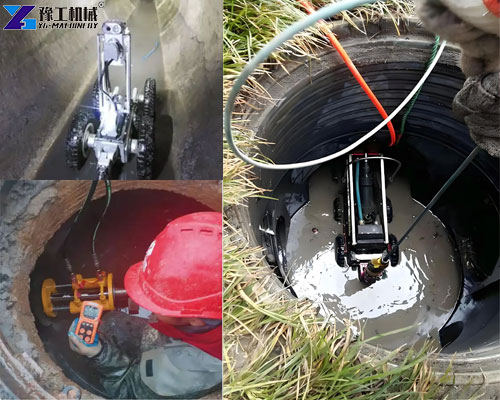
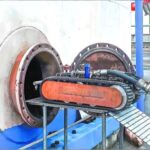
The crawler robot is introduced into the pipeline through a suitable manhole or access opening. The minimum access diameter is generally around 600 mm, with the final size depending on the robot configuration.
2. Break Up Hardened Sludge When Needed
The cleaning method depends on the sludge condition.
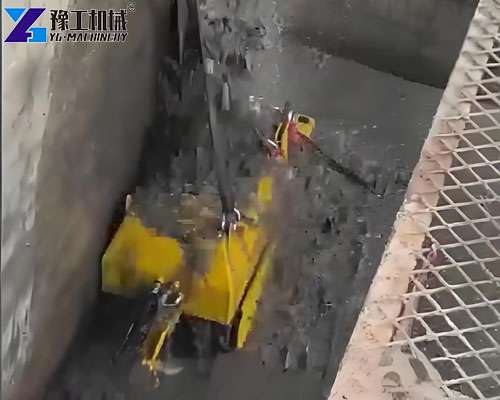
Pumpable sludge can be transferred directly by the hydraulic slurry pump. Hardened or caked sludge can first be loosened with a breaking or cutting head and high-pressure water.
3. Make the Sludge Pumpable
If needed, water is added during the loosening process to improve fluidity and form a pumpable slurry.
4. Pump Out the Sludge
Once sufficiently fluid, the sludge slurry is transferred through the discharge pipeline to the designated collection or disposal point by the hydraulic remote transfer pump.
Pumpable sludge → Direct pumping
Hardened sludge → Break up + Add water as needed → Pump out
Long-term sediment accumulation can significantly reduce the effective cross-section of a sewer or drainage pipeline.
Typical problems include:
Reduced water flow capacity
Frequent blockages
Thick sediment deposits
Grease and organic sludge buildup
Difficult access for conventional equipment
High labor requirements
Safety risks in underground pipelines
Traditional flushing may work for loose deposits, but it can be less effective when sludge has become thick, compacted, or heavily mixed with sediment.
The YG system addresses the problem at its source by loosening the deposits and physically transferring the resulting slurry out of the pipeline.
1.High-Pressure Water Jet System for Effective Sludge Removal
The system is equipped with a high-pressure water pump and water gun, which can:
Break hardened sludge layers
Remove grease and sediment buildup
Clean pipe walls more thoroughly than traditional flushing
👉 Especially effective for sewer sludge cleaning robot applications where sludge is compact and difficult to remove.
2.Crawler System for Wet and Slippery Pipelines
The tracked crawler chassis provides stable movement on wet and uneven pipeline surfaces.
It allows the robot to move through:
Large municipal sewer pipelines
Stormwater drainage pipes
Underground drainage channels
Culvert systems
Industrial wastewater pipelines
The crawler configuration is designed for sludge removal, rather than simply transporting an inspection camera through a pipeline.
3.Remote Control with Camera and Lighting System
The robot is equipped with:
High-definition camera
Integrated lighting system
Operators can monitor the internal condition of the pipeline in real time and control the cleaning process remotely.
👉 This greatly improves accuracy and safety, especially in complex or long-distance pipelines.
4.Sludge Discharge System for Continuous Cleaning
Unlike simple cleaning tools, this system includes a sludge discharge pipe, allowing:
Continuous removal of loosened sediment
Reduced risk of re-blockage
More efficient overall operation
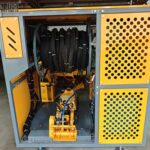
5.Hydraulic Slurry Transfer Pump
The transfer pump is one of the most important components of the system.
After sludge has been loosened and mixed with water, the hydraulic pump transfers the resulting slurry through the discharge line.
Pump capacity and configuration can be customized according to:
Sludge concentration
Sludge characteristics
Pipeline diameter
Required pumping distance
Elevation difference
Discharge location
6.Customized Cleaning and Transfer Distance
Different sewer systems have very different operating conditions.
YG can customize the robot and pumping system according to the project requirements, including the robot dimensions, cleaning tools, pump configuration, discharge hose, control system, and working distance.
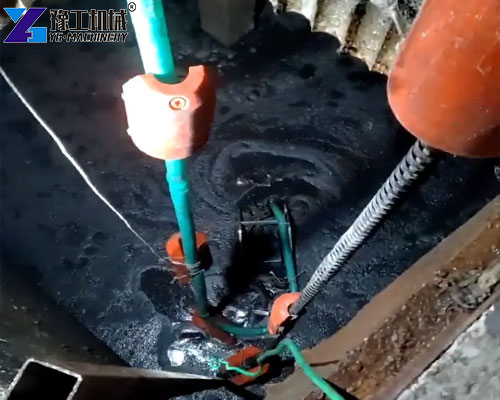
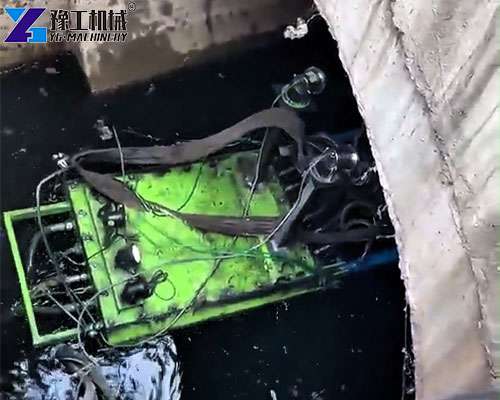
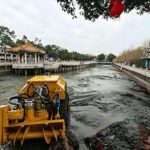
dredging robot for underground dark channel cleaning
culvert cleaning robot working in narrow underground channel
Applications of Sewer Sludge Removal Robot
The sewer sludge removal robot is designed for municipal and industrial drainage systems where accumulated sludge, sediment, and other deposits reduce flow capacity and make manual cleaning difficult or unsafe.
1. Municipal Sewer and Drainage Pipelines
The robot is widely used for removing accumulated sludge and sediment from municipal drainage systems, including:
Stormwater drainage pipelines
Municipal sewer pipelines
Combined sewer systems
Large-diameter drainage pipes
Typical problems include sediment accumulation, grease deposits, and sludge buildup that restrict water flow and increase maintenance requirements.
2. Stormwater and Flood Drainage Systems
The robot can remove accumulated sediment from drainage pipelines and underground channels in flood-prone urban areas.
Typical applications include:
Stormwater drainage pipelines
Underground drainage channels
Large-diameter flood drainage systems
By loosening and pumping out accumulated sediment, the robot helps restore drainage capacity and reduce blockage-related maintenance problems.
3. Industrial Wastewater and Drainage Pipelines
Industrial facilities may have pipelines containing heavy, sticky, or difficult-to-remove sludge.
Applications include:
Industrial wastewater pipelines
Chemical plant drainage systems
Food processing wastewater networks
Industrial drainage channels
Depending on sludge conditions, the robot can use high-pressure water and mechanical breaking or cutting tools to loosen hardened deposits before pumping the resulting slurry out through a hydraulic remote transfer pump.
4. River Connection Pipes and Culvert Systems
The sewer sludge removal robot can also be used in large-diameter culverts and drainage connections where long-term sediment accumulation restricts water flow.
Typical applications include:
Urban river drainage culverts
River-to-drainage connections
Large box culverts
Underground drainage passages
Crawler mobility allows the robot to travel through confined access areas while operators control the cleaning process remotely.
5. Underground Drainage and Utility Systems
For underground drainage systems where personnel access is difficult or hazardous, remote-controlled sludge removal can reduce the need for manual entry.
Applications include:
Underground drainage channels
Utility tunnel drainage systems
Underground water collection systems
Large underground drainage passages
The robot combines crawler mobility, remote control, high-pressure water, optional breaking tools, and hydraulic slurry pumping to remove accumulated sludge from difficult-access areas.
High-pressure water jet system for breaking dense sludge
Crawler mobility for stable movement in wet pipelines
HD camera and lighting system for real-time monitoring
Sludge discharge pipeline for continuous cleaning
🚀 Results:
Rapid and efficient sludge removal within a short project cycle
No need for workers to enter hazardous pipelines
Significant reduction in labor cost and safety risks
Improved pipeline flow capacity and reduced blockage frequency
“The robot performed very reliably in our complex pipeline environment. It solved a long-standing sludge problem and made our maintenance work much safer and more efficient.”
Get a Sewer Sludge Removal Robot for Your Pipeline
If your municipal or industrial pipeline is suffering from heavy sludge accumulation, sediment buildup, repeated blockage, or difficult cleaning access, a remote-controlled sludge removal robot can provide a safer and more efficient alternative to manual cleaning.
Tell us your pipe diameter, access opening, sludge type, sludge depth, pipeline length, and required pumping distance.
YG can design a customized sewer sludge removal robot system for your project.