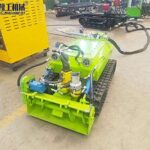
Tank Cleaning Robot | Remote-Controlled Solution for Safe Sludge Removal
tank cleaning robot
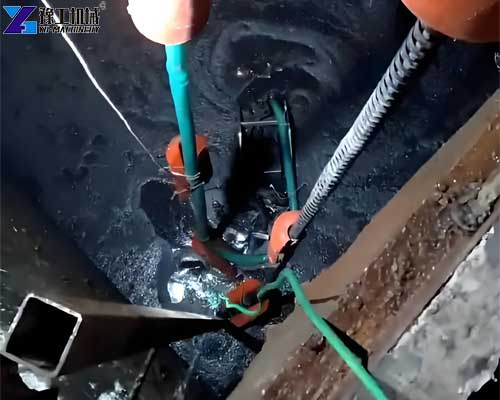
tank cleaning robot confined space
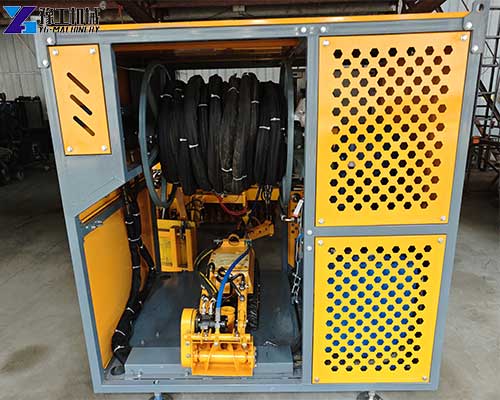
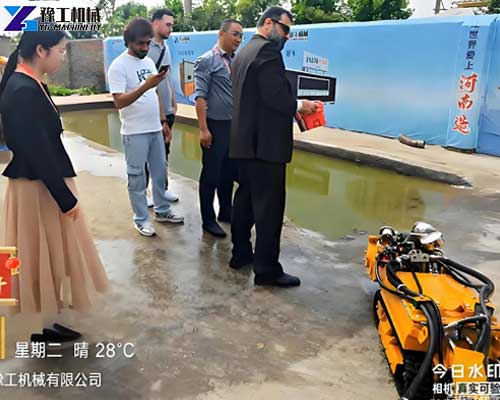
A tank cleaning robot provides a safer and more efficient way to remove sludge, sediment, and other accumulated materials from industrial and process tanks without requiring workers to enter the tank. By combining remote control, crawler mobility, sludge loosening, and powerful pumping, the robotic system can handle difficult tank-cleaning operations while reducing manual labor and downtime.
For facilities that regularly deal with sludge accumulation, confined spaces, hazardous atmospheres, or difficult tank access, a remote-controlled tank cleaning robot can significantly improve cleaning safety and operational efficiency.
Traditional tank cleaning often requires workers to enter the tank, manually remove sludge, or use temporary pumping and flushing equipment. These methods can be slow, labor-intensive, and potentially hazardous, particularly when tanks contain toxic gases, wastewater, chemicals, or oxygen-deficient atmospheres.
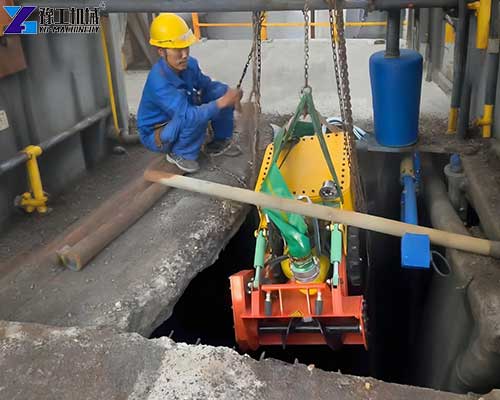
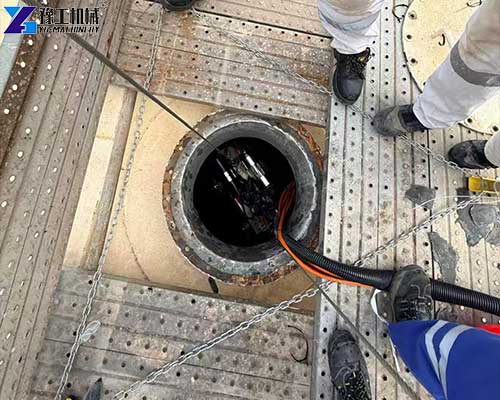
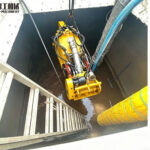
A robotic cleaning system changes the process by keeping operators outside the tank. The robot enters the working area and performs sludge removal remotely, minimizing the need for personnel to work in confined or hazardous spaces.
This approach is especially valuable for tanks where draining the contents completely is impractical or where accumulated sediment is difficult to reach with conventional equipment.
Remote-Controlled Tank Cleaning Without Manual Entry
The main advantage of a tank cleaning robot is that operators can control the machine from a safe position.
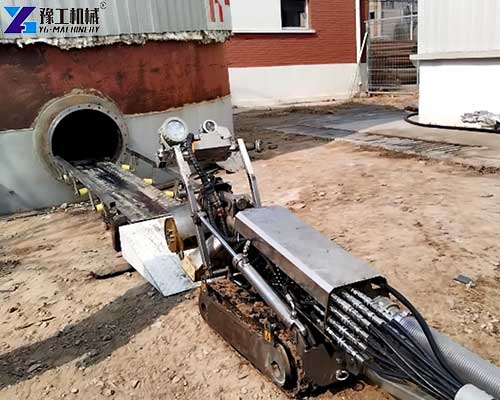
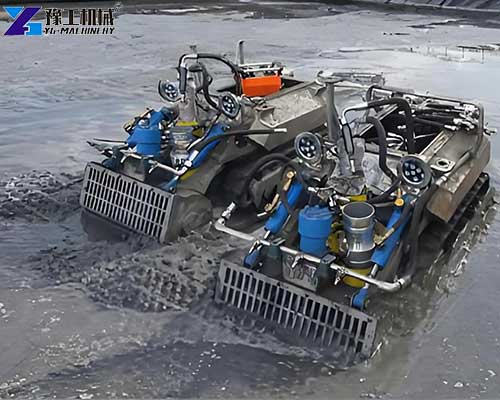
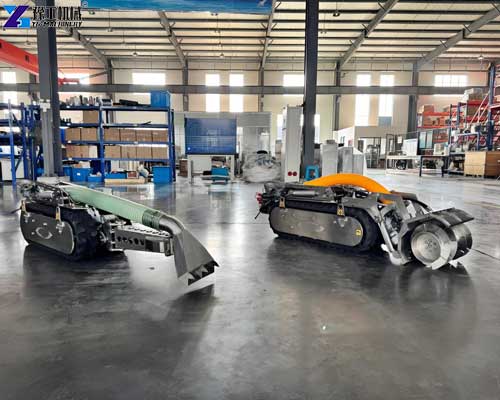
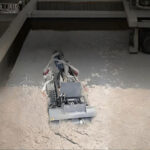
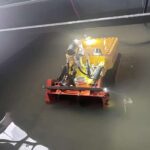
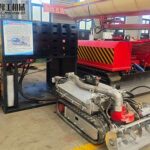
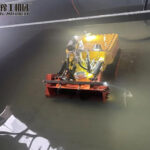
The crawler-type robot can move across the tank floor while its working system loosens and collects accumulated sludge. The material is then transferred through a suction and pumping system for discharge or further treatment.
This remote operation helps facilities reduce:
Confined-space entry
Manual sludge handling
Worker exposure to hazardous environments
Cleaning labor requirements
Tank downtime
Difficult manual pumping operations
For industrial facilities with strict safety requirements, no-man-entry or reduced-entry cleaning can provide a major operational advantage.
The robot is designed to combine mechanical movement with sludge extraction rather than relying on a single cleaning method.
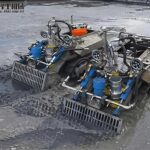
First, the crawler platform moves toward areas with accumulated sediment. Its working mechanism loosens and homogenizes dense sludge, helping prevent large deposits from blocking the suction system.
The slurry is then drawn into the pump and transported through the discharge pipeline to a designated collection or treatment point.
A typical cleaning process includes:
Remote positioning – The operator controls the robot from outside the tank.
Sludge loosening – The working mechanism breaks up or agitates compacted deposits.
Sludge homogenization – Dense material is mixed into a pumpable slurry.
Suction and pumping – The slurry is extracted from the tank.
Pipeline discharge – Removed material is transported to a treatment or storage area.
This continuous process can reduce the need for repeated manual intervention and make tank cleaning more predictable.
Remote Control Operation: The operator can control the robot without entering the tank. This is particularly useful for confined, hazardous, or difficult-to-access environments.
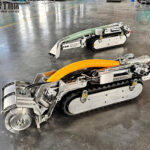
Crawler-Based Mobility: Tracked movement provides stable traction on tank floors covered with sludge, sediment, or other deposits. The crawler configuration also helps the robot operate in areas where wheeled equipment may have difficulty maintaining traction.
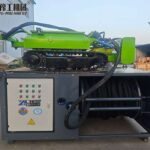
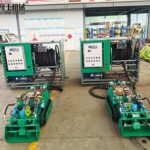
Powerful Sludge Pumping: The integrated pumping system is designed to transport sludge and slurry through a discharge pipeline. Pump capacity and configuration can be selected according to the material characteristics and tank conditions.
Anti-Clogging Sludge Handling: Heavy sludge can easily cause conventional suction systems to block. The robot can combine sludge loosening and homogenization with pumping to improve material flow and reduce clogging risks.
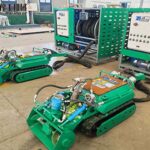
Compact and Modular Design: The robotic system can be configured according to tank dimensions, access conditions, sludge characteristics, discharge distance, and required cleaning capacity. This makes it suitable for different tank structures and industrial applications.
Waterproof Construction: For wet and submerged working environments, critical components can be protected against water ingress. The equipment configuration can also be adapted to the operating conditions of the tank.
sedimentation tank dredging robot wastewater sludge removal
Where Can a Tank Cleaning Robot Be Used?
A tank cleaning robot can be used in many facilities where sludge and sediment accumulate over time.
Industrial Storage Tanks: Industrial tanks can accumulate sludge, sediment, residues, or other deposits that reduce usable capacity and complicate maintenance. Robotic cleaning allows these materials to be removed with less manual intervention.
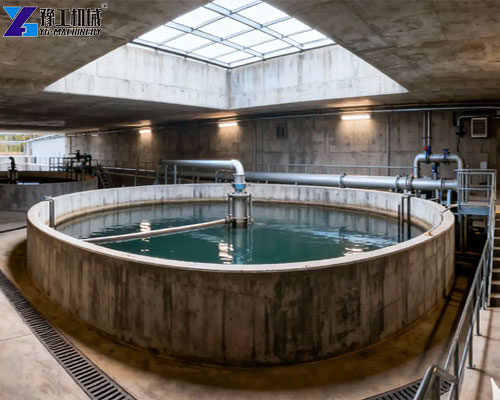
Wastewater Treatment Tanks: Sludge tanks, settling tanks, and other wastewater facilities can experience continuous sediment accumulation. A remote-controlled robot can help remove deposits while reducing the need for workers to enter confined treatment structures.
Oil and Fuel Storage Tanks: Oil-related sludge can create particularly difficult cleaning conditions. A remote-controlled system can reduce direct worker exposure and provide a more controlled method of sludge extraction. For potentially explosive environments, the robot configuration should be selected according to the required explosion-protection standards and site conditions.
Anaerobic Digesters and Biogas Tanks: Digesters can accumulate heavy sediment and settled solids that reduce effective volume. A robotic sludge removal system can help clean the tank while minimizing unnecessary manual entry.
Manure and Slurry Tanks: Agricultural facilities may need to remove settled solids from manure storage tanks and slurry systems. A crawler robot can provide a practical alternative to labor-intensive manual cleaning.
Tank owners generally face three major challenges: safety, labor, and downtime.
1. Reduces Confined-Space Risks: Entering tanks can expose workers to toxic gases, oxygen-deficient atmospheres, slippery surfaces, and other hazards. Remote operation keeps personnel outside the working area whenever the application allows.
2. Reduces Manual Labor: Manual sludge removal can require multiple workers, pumps, hoses, protective equipment, and extended working hours. Robotic cleaning can automate much of the physical cleaning process.
3. Improves Cleaning Efficiency: Instead of relying entirely on manual scraping and pumping, the robot integrates sludge loosening, collection, suction, and discharge into one working system.
4. Helps Reduce Downtime: Faster sludge removal can shorten maintenance operations and help facilities return tanks to service sooner.
5. Handles Difficult Sludge: Settled sludge can become dense and difficult to pump. Mechanical agitation and homogenization help convert compacted deposits into a more pumpable slurry.
Tank Cleaning Robot vs. Traditional Manual Cleaning
The biggest difference is not simply automation. It is the ability to move the cleaning process away from direct human exposure.
Traditional tank cleaning may involve:
Tank draining
Ventilation
Confined-space entry
Manual sludge removal
Temporary pumping equipment
Extensive cleaning labor
A robotic approach can reduce several of these requirements by allowing sludge removal to be performed remotely.
However, the right cleaning method depends on tank design, material composition, sludge depth, access opening, and safety requirements. A tank cleaning robot should therefore be selected as part of an overall cleaning solution rather than simply based on robot size or pump capacity.
Different tanks require different configurations. Before selecting equipment, consider the following factors:
Tank dimensions: Tank diameter, length, height, and floor configuration determine the required robot size and working range.
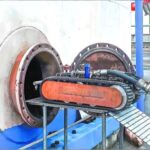
Access opening: Manhole dimensions are particularly important because the robot must be able to enter the tank safely.
Sludge characteristics: Liquid sludge, compacted sediment, oily sludge, fibrous material, and high-solids deposits may require different loosening and pumping configurations.
Required pumping capacity: The required flow rate depends on sludge concentration, discharge distance, pipeline diameter, and cleaning speed.
Discharge distance: Longer discharge pipelines may require higher pump head and a different pumping configuration.
Operating environment: Corrosive, hazardous, explosive, or submerged environments may require specialized components and protection levels.
By providing these project parameters, customers can receive a more suitable tank cleaning robot configuration instead of purchasing an oversized or underpowered machine.
Why Choose a Remote-Controlled Tank Cleaning System?
For facilities managing large tanks or frequent sludge accumulation, robotic cleaning is more than a replacement for manual labor. It is a way to improve the entire maintenance process.
A properly configured system can provide:
Safer operation with remote-controlled cleaning
Lower labor requirements through mechanized sludge removal
Improved productivity through continuous cleaning and pumping
Better access to difficult tank-floor deposits
Reduced downtime for maintenance operations
Flexible configurations for different tank sizes and sludge conditions
The result is a more controlled and repeatable tank cleaning process.
YG Machinery provides customized tank cleaning robot solutions for industrial tanks, wastewater facilities, digesters, slurry tanks, and other challenging sludge-removal applications.
The recommended configuration depends on your tank dimensions, access opening, sludge type, sludge depth, required pumping capacity, discharge distance, and working environment.
If you are dealing with heavy sludge accumulation, difficult tank access, high labor costs, or hazardous confined-space cleaning, a remote-controlled tank cleaning robot can provide a safer and more efficient alternative to conventional manual cleaning.
Send us your tank size, manhole dimensions, sludge characteristics, and required discharge distance. Our engineers can recommend a suitable robot, pump, and working configuration for your application.