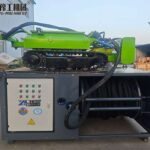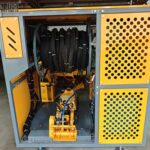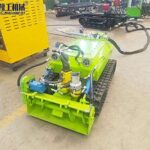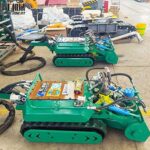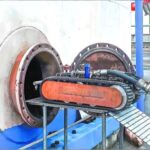
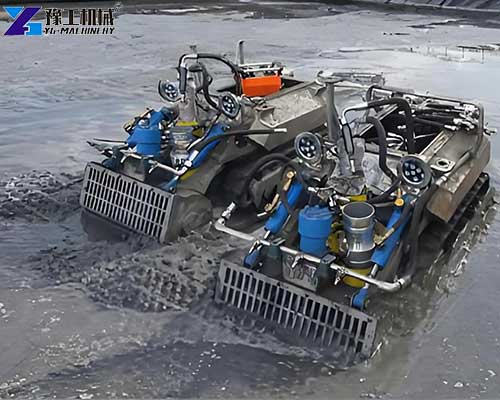
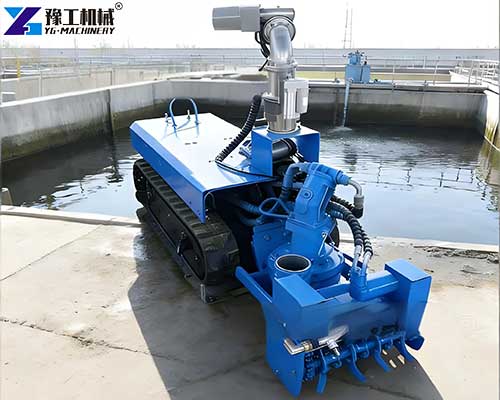
Sedimentation tanks are essential units in wastewater treatment plants, but continuous sludge accumulation can reduce treatment efficiency and increase maintenance costs.
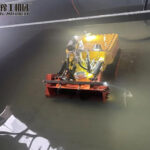
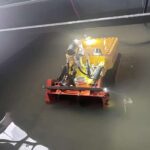
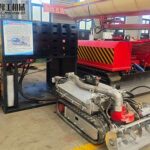
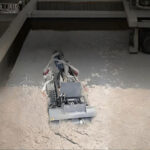
A sedimentation tank dredging robot provides an efficient solution for removing settled sludge from primary clarifiers, secondary settling tanks, and wastewater treatment basins without frequent manual cleaning or complete system shutdown.
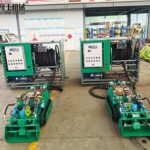
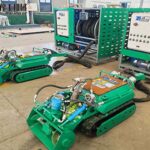
Equipped with remote control, sludge loosening systems, suction pumps, and customized discharge solutions, the robot helps wastewater facilities maintain stable operation and improve sludge management efficiency.
Sedimentation Tank Dredging Robot Parameters
| Parameter | YG450 | YG500 | YG600 | YG700 | YG800 | YG900 | YG1200 |
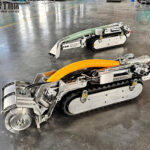
| Robot Dimensions (mm) | ≤1700 × 450 × 450 | 1500 × 500 × 650 | 1500 × 600 × 650 | 1600 × 700 × 650 | 1600 × 850 × 700 | 1650 × 960 × 750 | 1900 × 1200 × 750 |
| Applicable Manhole / Access | ≥600 mm opening | ≥600 mm opening | ≥600 mm opening | ≥700 mm opening | ≥800 mm opening | ≥900 mm opening | Large culvert / open access |
| Dredging Width (mm) | 450 | 500 | 600 | 700 | 800 | 900 | Suitable for large culverts |
| Travel Speed (m/s) | 3–12 | 3–15 | 3–15 | 3–15 | 3–15 | 3–15 | 0–17 m/min |
| Pump Diameter (inch) | 3 | 3 | 3 | 4 | 4 | 4 | 4 or 6 |
| Pump Flow (m³/h) | 50 | 100 | 100 | 160 | 160 | 200 | 250 |
| Pump Head (m) | 0-30 | 0–30 | 0–30 | 0–25 | 0–25 | 0–25 | 0–30 (Horizontal: 100–150 m) |
| Hydraulic Station Dimensions (mm) | 2000 × 1100 × 1500 (recommended) | 2200 × 1200 × 1700 | 2200 × 1200 × 1700 | 2200 × 1200 × 1700 | 2200 × 1200 × 1700 | 2200 × 1200 × 1700 | 2120 × 1240 × 1200 |
| Main Motor Power (kW) | 11–15 kW | 18 | 18 | 22 | 22 | 22 | 45 kW (50 kW) / Diesel 76 kW (123 kW) |
| Hydraulic System Pressure (MPa) | 0–16 | 0–16 | 0–16 | 0–16 | 0–16 | 0–16 | Custom / high-pressure system |
| Particle Size Capacity (mm) | ≤10–20 mm (soft sludge) | 15 | 15 | 40 | 40 | 50 | 0–40 (customizable) |
| Winch Speed (r/min) | 0–10 | 0–10 | 0–10 | 0–10 | 0–10 | 0–10 | 0–10 |
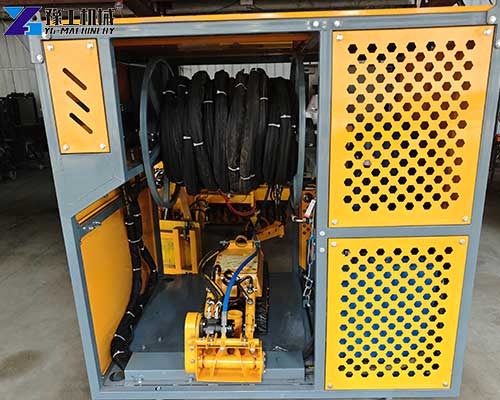
| Pipe Length (m) | 20–30 optional | 30–50 optional | 30–50 optional | 30–50 optional | 30–50 optional | 30–50 optional | 30 m/pack, high-pressure resistant |
| Control System | Wireless Remote Control | Wireless Remote | Wireless Remote | Wireless Remote | Wireless Remote | Wireless Remote | Wireless Remote |
| Lighting System | Underwater LED ×2 | Underwater LED ×2 | Underwater LED ×2 | Underwater LED ×2 | Underwater LED ×2 | Underwater LED ×2 | Underwater LED ×2 |
Why Do Sedimentation Tanks Need Sludge Removal?
During wastewater treatment, suspended solids gradually settle at the bottom of sedimentation tanks.
Without regular removal, accumulated sludge may cause:
- Reduced effective tank capacity
- Lower wastewater treatment efficiency
- Increased cleaning frequency
- Uneven sludge distribution
- Higher maintenance costs
Traditional cleaning methods often require:
- Tank draining
- Manual sludge removal
- Temporary shutdown of treatment units
For continuously operating wastewater plants, these methods can affect daily treatment performance.
A sedimentation tank dredging robot allows operators to remove settled sludge more efficiently while reducing manual cleaning requirements.
Applications of Sedimentation Tank Dredging Robot
Primary Sedimentation Tank Cleaning
Primary settling tanks collect suspended solids from incoming wastewater.
The robot helps remove:
- Settled organic sludge
- Heavy sediment deposits
- Bottom sludge accumulation
Regular cleaning helps maintain stable hydraulic performance.
Secondary Clarifier Sludge Removal
Secondary clarifiers separate biological sludge during wastewater treatment.
The dredging robot is suitable for:
- Activated sludge removal
- Sludge layer cleaning
- Clarifier bottom maintenance
It helps prevent excessive sludge buildup that may affect treatment quality.
Wastewater Treatment Basins
The system can also be used in:
- Industrial wastewater sedimentation tanks
- Sludge collection basins
- Equalization tanks
Customized configurations can match different tank sizes and sludge conditions.
How Does a Sedimentation Tank Dredging Robot Work?
1. Sludge Loosening and Mixing
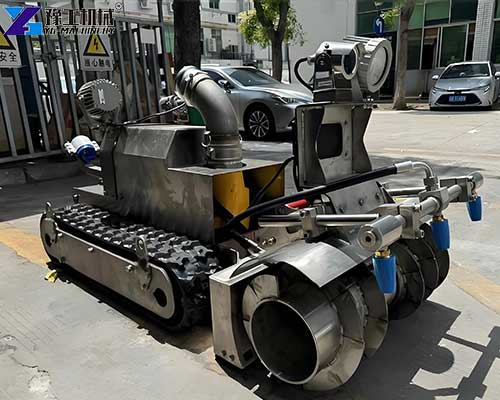
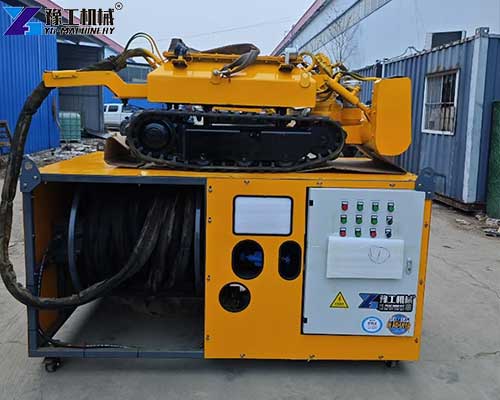
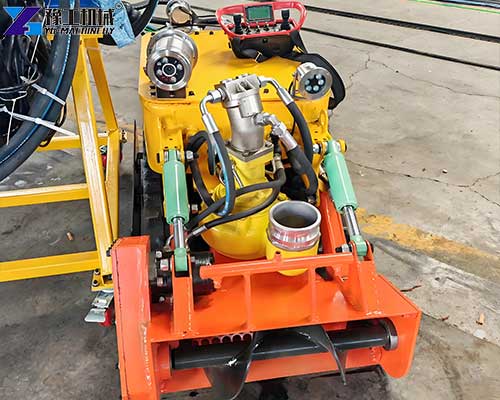
The front cutting head and auger system help break compacted sludge layers and improve sludge flow.
Benefits:
- Loosens settled deposits
- Reduces suction blockage
- Improves continuous operation
2. High-Pressure Water Jet Cleaning
The integrated water jet system assists in removing stubborn sludge attached to the tank bottom.
Advantages:
- Improves sludge fluidity
- Helps clean hardened deposits
- Increases suction efficiency
3. Sludge Suction and Transportation
A powerful pump system extracts sludge and transports it through discharge pipelines.
The system supports:
- Continuous sludge removal
- Long-distance sludge discharge
- Customized pumping solutions
Key Features of Sedimentation Tank Dredging Robot
Remote-Controlled Operation
Operators can control the robot from outside the tank area.
Advantages:
✔ Reduces manual cleaning work
✔ Improves operation safety
✔ Allows precise sludge removal
Underwater Camera and LED Monitoring
The visual system provides real-time working conditions.
Including:
- HD underwater camera
- LED lighting system
- Remote operation monitoring
Operators can clearly observe sludge conditions during cleaning.
Stable Crawler System
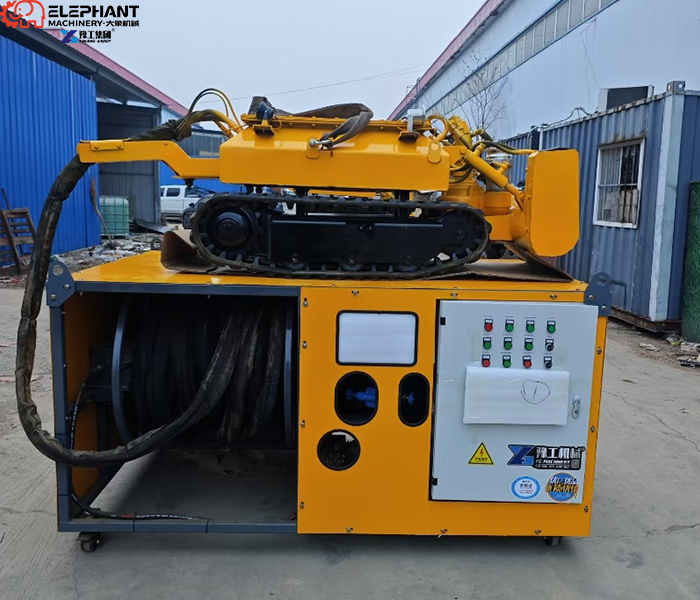
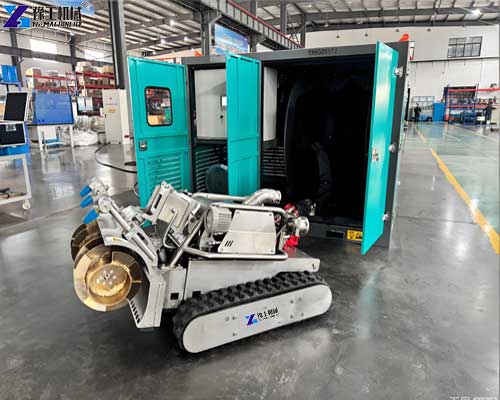
The tracked chassis allows stable movement on soft sludge surfaces.
Benefits:
- Prevents sinking
- Provides strong traction
- Suitable for uneven sediment layers
Customized Pumping System
Different sedimentation tanks have different sludge characteristics.
The system can be configured according to:
- Sludge concentration
- Tank size
- Discharge distance
- Cleaning requirements
Benefits for Wastewater Treatment Plants
Reduce Manual Sludge Cleaning
Traditional sedimentation tank cleaning often requires significant labor and equipment.
The robotic solution reduces:
- Manual operation time
- Cleaning workload
- Maintenance difficulty
Improve Treatment Efficiency
Regular sludge removal helps:
- Maintain tank volume
- Improve settling performance
- Support stable wastewater treatment
Clean Without Frequent Shutdown
The remote-controlled system allows more flexible maintenance compared with traditional cleaning methods.
Sedimentation Tank Dredging Robot Technical Highlights
- Wireless remote control system
- HD underwater camera with LED lighting
- Front cutting head and auger mixing system
- High-pressure water jet sludge loosening
- Powerful sludge suction pump
- Remote sludge transportation pipeline
- Pump flow: 50–250 m³/h
- Pump head: up to 30 m
- Multiple models available for different tank sizes
How to Choose the Right Sedimentation Tank Dredging Robot?
Before selecting a model, wastewater plants should consider:
Tank Dimensions
Important factors:
- Tank diameter or length
- Cleaning area
- Access opening size
Sludge Characteristics
Different sludge requires different configurations:
- Soft biological sludge
- Thick settled sludge
- High-concentration sludge
Sludge Discharge Distance
The pumping system should match:
- Pipeline length
- Discharge height
- Sludge volume
A customized configuration ensures better cleaning efficiency.
Sedimentation Tank Dredging Robot vs Traditional Cleaning Methods
| Manual cleaning | High labor requirement and difficult operation |
| Tank draining | Requires shutdown and affects treatment process |
| Conventional pumping | Limited ability to remove settled compact sludge |
| Sedimentation tank dredging robot | Remote operation with integrated sludge loosening and suction |
FAQ About Sedimentation Tank Dredging Robot
1.Can the robot clean active sedimentation tanks?
The robot is designed for sludge removal in wastewater treatment tanks. The suitable working method depends on tank structure, sludge conditions, and operational requirements.
2.What type of sludge can the robot remove?
It can handle common wastewater sludge types, including settled sludge, biological sludge, and accumulated sediment in treatment tanks.
3.Does the robot require workers to enter the tank?
No. The robot is operated remotely, allowing sludge removal without direct manual entry into the cleaning area.
4.Can the system be customized?
Yes. The robot configuration can be adjusted according to tank size, sludge properties, access conditions, and discharge requirements.
Improve Sedimentation Tank Maintenance with Robotic Sludge Removal
A sedimentation tank dredging robot provides wastewater treatment plants with a practical solution for removing accumulated sludge, reducing maintenance workload, and improving operational efficiency.
With remote operation, powerful sludge extraction, and customized cleaning configurations, the system helps modern wastewater facilities achieve safer and more efficient sedimentation tank maintenance.
Related Posts: