Large Diameter Drainage Pipe Cleaning Robot for Municipal Desilting
Large drainage pipelines are designed to carry stormwater, wastewater, and runoff efficiently. However, over time, sand, silt, sludge, gravel, and other sediment can settle along the pipe bottom. As deposits build up, the effective flow area becomes smaller, drainage capacity decreases, and the risk of blockage or flooding can increase.
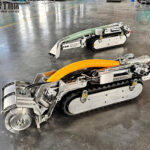
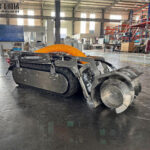
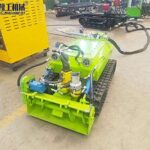
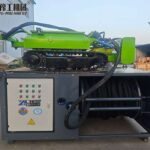
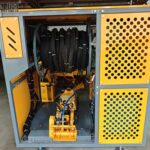
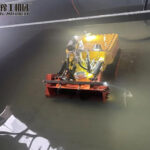
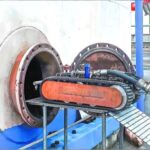
Cleaning these pipelines is not always straightforward. Sediment may accumulate far from available access points, making it difficult for conventional suction and external cleaning equipment to reach and remove deposits effectively. Thick or compacted material can further increase cleaning difficulty, while manual operations inside restricted pipelines are often inefficient and challenging. Our large diameter drainage pipe cleaning robot provides a practical solution for removing accumulated sediment directly inside suitable drainage pipelines. The remote-controlled crawler robot can enter through an access point, travel toward sediment deposits, loosen compacted material, and pump the resulting slurry out through a discharge pipeline.
YG Machinery can also customize compact robot dimensions for projects with restricted access. If your pipeline or manhole opening cannot accommodate a standard model, tell us your available dimensions and working conditions. We can evaluate a smaller customized sludge removal robot for your project.
Why Do Large-Diameter Drainage Pipes Need Robotic Cleaning?
Drainage pipelines continuously transport water containing suspended solids. When water velocity decreases, heavier materials such as sand, silt, and sediment can settle on the bottom of the pipeline.
Over time, these deposits may cause several operational problems:
Reduced effective pipe capacity
Restricted water flow
Increased risk of blockage
Higher flooding risk during heavy rainfall
More frequent maintenance requirements
Difficult access to sediment deposits
High labor requirements for conventional cleaning
The challenge becomes even greater when sediment is located far from the manhole or access point.
A suction hose inserted from outside may not always reach the entire accumulation area effectively. Thick or compacted sediment may also require agitation before it can be pumped.
A drainage pipe sediment removal robot addresses this challenge by bringing the cleaning equipment directly to the sediment.
What Pipe Diameter Is Suitable for a Cleaning Robot?
Pipe diameter is one of the most important factors when selecting a drainage pipe cleaning robot.
The robot must have enough space to enter, move safely, operate its cleaning mechanism, and work around internal structures. For this reason, robotic cleaning is generally more suitable for large-diameter drainage pipelines rather than small pipes.
As a general reference, pipelines with an internal diameter of 600 mm or larger may be evaluated for robotic sludge removal. However, pipe diameter alone does not determine whether a robot can be deployed successfully.
The following conditions should also be considered:
Actual internal pipe width and height
Pipe shape, including circular or box structures
Manhole or access opening dimensions
Robot width and height
Available clearance for movement
Pipeline slope
Bends and turning conditions
Internal obstacles
Water and sediment depth
Required cleaning distance
Need a Smaller Robot? Customization Is Available
Some pipelines have sufficient internal diameter but restricted manholes or narrow access openings. In other projects, the pipe itself may have limited working space.
YG can evaluate customized compact configurations based on your project requirements.
If a standard robot is too wide for the available access conditions, we can discuss a smaller sludge removal robot with customized dimensions.
Simply provide your pipe diameter, manhole size, internal working dimensions, and site photos or videos. Our technical team can evaluate a suitable robot configuration.
What Kind of Robot Is Suitable for Large Diameter Drainage Pipes?
Not every crawler machine is suitable for pipeline sediment removal.
A drainage pipeline cleaning robot must combine compact dimensions with sufficient mobility, sludge handling capability, and pumping performance.
1.Compact Structure for Pipeline Access
The first requirement is that the robot can physically enter the pipeline.
The robot dimensions must be matched to both the pipeline and the available deployment opening. A powerful machine is of little value if it cannot pass through the manhole.
For restricted-access projects, compact dimensions can be prioritized during equipment configuration.
2.Remote-Controlled Operation
Sediment accumulation may occur deep inside underground drainage infrastructure.
A remote-controlled system allows operators to guide the robot from outside the pipeline while monitoring its movement and cleaning operation.
The operator can move the robot toward sediment deposits and control the cleaning process without relying entirely on manual access inside the pipeline.
3.Stable Crawler Mobility
Large drainage pipelines may contain uneven sediment, soft sludge, or compacted deposits.
A tracked crawler design provides stable movement and allows the robot to travel toward areas where sediment has accumulated.
Instead of cleaning only the section directly below the manhole, the robot can work closer to the actual sediment deposits.
4.Sludge Agitation for Compacted Sediment
Sediment inside drainage pipelines is not always loose.
Sand, silt, sludge, and other solids can become compacted over time. Effective removal may require mechanical agitation before the material can be pumped.
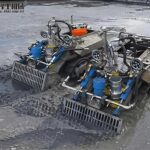
The robot can be equipped with a suitable working mechanism to loosen deposits and create a pumpable slurry.
5.Powerful Slurry Pumping
After the sediment is loosened, the material must be transported out of the pipeline efficiently.
The pumping configuration should be selected according to:
Sediment characteristics
Required cleaning capacity
Particle size
Horizontal discharge distance
Elevation difference
Discharge pipeline length
YG can recommend a suitable pumping configuration based on actual project requirements.
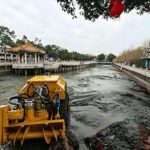
Municipal drainage infrastructure often includes long underground pipelines, stormwater systems, culverts, and other structures where sediment can accumulate gradually.
Traditional cleaning methods may require repeated flushing, manual work, external suction equipment, or excavation. These methods can become inefficient when deposits are located far from the access point.
A municipal drainage pipeline desilting robot provides a more targeted approach.
The compact robot is deployed through a suitable access point and travels toward the sediment accumulation area. It agitates settled material and pumps the slurry through a discharge hose to a designated collection or treatment location.
Typical applications include:
Municipal stormwater drainage pipelines
Large underground drainage pipes
Urban drainage infrastructure
Flood control drainage systems
Large culverts
Underground drainage channels
Sediment-filled utility structures
This solution is particularly valuable for infrastructure where conventional cleaning equipment cannot physically reach the area requiring maintenance.
The working process combines mobility, sediment agitation, and slurry pumping.
1. Deploy Through the Access Point
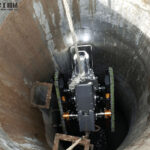
The robot is lowered or placed into the pipeline through a suitable manhole or access opening.
Before deployment, the access dimensions and lifting conditions should be confirmed.
2. Travel to the Sediment Accumulation Area
The operator remotely guides the crawler robot along the pipeline toward the area requiring cleaning.
This allows the cleaning equipment to reach sediment located away from the entry point.
3. Loosen Compacted Sludge and Sediment
The working mechanism agitates settled sand, silt, sludge, and other accumulated materials.
Loosening the deposits helps create a slurry that can be transported by the pumping system.
4. Pump the Slurry Out
The pump transfers the loosened material through a discharge pipeline to a designated collection area.
The appropriate pumping system depends on the sediment type and required discharge distance.
5. Continue Cleaning Along the Pipeline
The robot can be moved to additional sediment accumulation areas until the required section has been cleaned.
This mobile cleaning approach allows operators to bring the equipment directly to the sediment rather than relying only on suction from the pipeline entrance.
Thailand Project: YG450 Cleans a 600 mm Municipal Drainage Pipeline
A municipal drainage project in Thailand required the removal of accumulated sludge from a 600 mm diameter drainage pipeline with a total working length of approximately 30 meters.
Based on the pipeline dimensions and site requirements, YG supplied an YG450 dredging robot with a width of approximately 450 mm. The compact crawler configuration provided sufficient clearance inside the 600 mm pipeline while allowing the robot to move toward areas where sludge had accumulated.
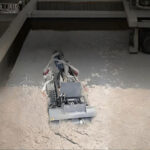
During operation, the remote-controlled robot traveled inside the drainage pipeline and worked on the settled sludge. The loosened material was then transferred through the pumping system for removal from the pipeline.
This project demonstrates why robot dimensions must be matched to the actual pipeline diameter and working conditions. A 600 mm pipeline does not simply require a high-capacity cleaning machine—the robot must have enough clearance to enter, move, and operate effectively inside the pipe.
For municipal drainage pipelines with similar dimensions, YG can recommend a suitable configuration based on pipe diameter, access opening, cleaning distance, sediment conditions, and discharge requirements.
YG Customized Solutions for Different Pipeline Conditions
No two drainage pipeline projects are exactly the same.
A robot suitable for a large municipal stormwater pipeline may not be suitable for a smaller underground drainage structure. Access limitations, sediment conditions, pipeline geometry, and discharge requirements can all affect equipment selection.
YG provides project-based configuration recommendations based on the actual working environment.
Customization Can Consider:
Robot Dimensions: Adjust the robot size according to pipeline dimensions and access limitations.
Access Opening Size: Evaluate whether the robot can pass through the available manhole or access hatch.
Pipeline Geometry: Consider circular pipes, box culverts, internal width, height, bends, and available operating clearance.
Crawler Configuration: Match the robot mobility system to the sediment conditions and working surface.
Sludge Handling System: Configure the agitation system according to sediment thickness and material characteristics.
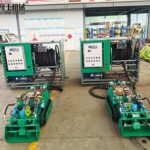
Pumping Capacity: Select an appropriate flow rate based on cleaning requirements and sediment volume.
Discharge Distance: Configure the pumping and pipeline system according to the required horizontal and vertical transport distance.
Tell Us Your Requirements
If your drainage pipeline has unusual dimensions, a narrow access opening, or restricted working conditions, do not assume that a standard robot is your only option.
YG can evaluate customized compact sludge removal robots for special pipeline projects.
To help us recommend a suitable solution, please provide:
Key Advantages of Our Large Diameter Drainage Pipe Cleaning Robot
Designed for Difficult Access: The compact crawler structure can be configured for restricted-access drainage infrastructure where conventional equipment cannot enter.
Remote-Controlled Cleaning: Operators can control the robot from outside the pipeline while guiding it toward sediment accumulation areas.
Mobile Sediment Removal: The robot travels directly toward sludge and sediment instead of relying only on external suction equipment.
Agitation and Pumping in One System: Settled material can be loosened and converted into a pumpable slurry for more effective removal.
Customized Compact Dimensions: For projects with narrow pipelines or restricted access openings, YG can evaluate smaller robot configurations according to actual site requirements.
Flexible Municipal Applications: Suitable for evaluating projects involving stormwater pipelines, large drainage pipes, culverts, and underground drainage infrastructure.
Different cleaning methods serve different purposes.
High-pressure water jetting equipment is commonly used for flushing and clearing certain types of pipe blockage, while inspection crawlers are designed primarily for pipeline inspection.
However, removing significant volumes of settled sediment from the bottom of a large drainage pipeline requires a different approach.
The equipment must be able to:
Reach the sediment accumulation area
Operate within the available pipeline dimensions
Loosen compacted deposits
Handle sediment and slurry
Pump material over the required discharge distance
A robotic sediment removal system combines these functions into a mobile cleaning solution.
Get a Customized Drainage Pipeline Desilting Solution
Large drainage pipeline cleaning presents a unique combination of challenges: restricted access, long working distances, compacted sediment, and difficult material discharge.
The right solution must balance robot size, mobility, sludge agitation, and pumping performance.
YG Machinery provides large diameter drainage pipe cleaning robots and customized compact configurations based on actual project requirements.
Whether you are cleaning a municipal stormwater pipeline, underground drainage structure, large culvert, or sediment-filled water infrastructure, our technical team can evaluate your working conditions and recommend a suitable solution.
Have a narrow pipe or restricted manhole? Tell us your dimensions and project requirements. YG can evaluate a customized smaller sludge removal robot for your drainage pipeline cleaning project.
1.What pipe diameter is suitable for a drainage pipe cleaning robot?
Large-diameter drainage pipelines with an internal diameter of approximately 600 mm or larger may be evaluated for robotic cleaning. However, the final suitability depends on the robot dimensions, manhole size, internal clearance, pipeline geometry, slope, bends, and other site conditions.
2.Can YG customize a smaller drainage cleaning robot?
Yes. For projects with restricted pipeline dimensions or narrow access openings, YG can evaluate customized compact robot configurations. Please provide the available dimensions and working conditions for assessment.
3.What is the smallest robot width available?
The available robot size depends on the project requirements and required cleaning configuration. In a Mexico drainage cleaning project, YG customized a compact sludge removal robot with a width of approximately 400 mm. Contact us with your pipeline dimensions for a suitable configuration evaluation.
4.Can the robot remove sand and silt?
Yes. Depending on the material characteristics and selected configuration, the robot can be used for sludge, silt, sand, and other sediment removal. Particle size and solids concentration should be confirmed before equipment selection.
5.Can the robot clean long drainage pipelines?
The robot can travel toward sediment accumulation areas inside suitable pipelines. The practical cleaning distance depends on pipeline conditions, robot mobility, discharge requirements, and the overall site configuration.
6.How is the robot deployed inside the pipeline?
The robot can be lowered or placed into the pipeline through a suitable manhole or access opening. Access dimensions and site lifting conditions should be evaluated before deployment.
7.What information is needed for a customized solution?
Please provide the pipeline diameter or internal dimensions, manhole size, pipeline length, slope, bends, sediment type and thickness, water depth, required discharge distance, and site photos or videos.