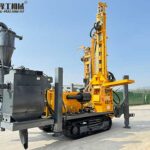
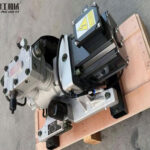
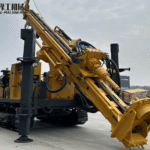
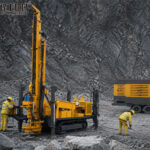
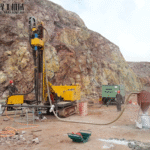
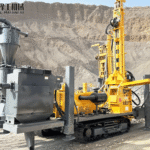
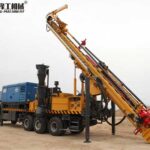
In June 2025, a mining contractor in Northern Cape, South Africa, reported that a diesel compressor significantly improved drilling productivity and reduced downtime during a manganese exploration project. The contractor needed a reliable air source for DTH drilling rigs operating in remote areas without grid power. After deploying a high-pressure mobile unit, drilling speed increased, and daily operating efficiency improved by approximately 40%. This result demonstrates how mobile air systems support mining and infrastructure projects in off-grid environments.
Project Background: Remote Mining Sites Require Independent Air Supply
South Africa has extensive mining zones located far from urban infrastructure. Many exploration sites operate in open terrain where electricity is unavailable. The contractor was drilling boreholes between 80 and 150 meters deep to evaluate mineral reserves.
Key operating conditions included:
Ambient temperatures between 5 °C and 38 °C
Dust-intensive drilling environment
Continuous drilling shifts of 8–10 hours
Frequent relocation between drilling points
The previous piston-type unit could not maintain stable airflow. Pressure fluctuations caused drilling interruptions and increased tool wear. The contractor required a screw air compressor capable of continuous operation under harsh field conditions.
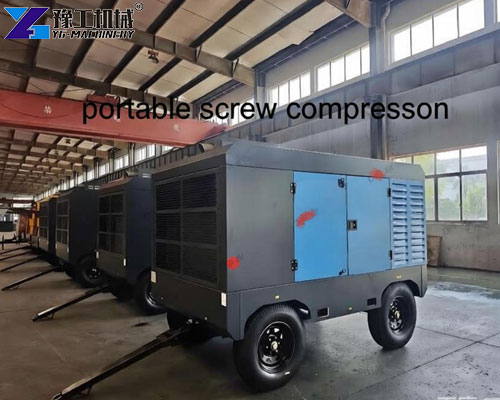
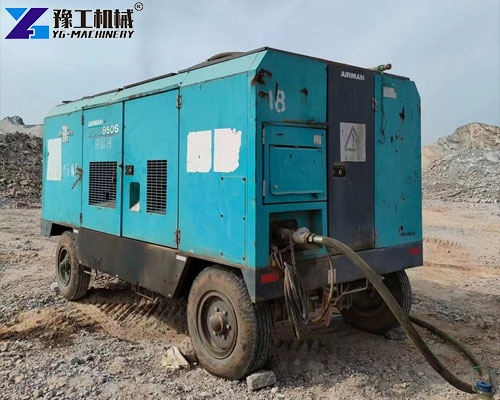
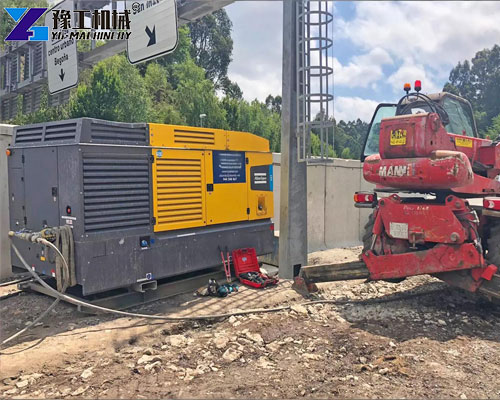
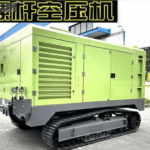
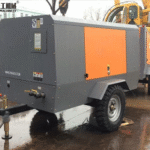
After technical evaluation, the contractor selected a towable mobile unit designed for mining applications. The configuration was matched to the airflow and pressure requirements of the drilling rig.
Key technical parameters:
Airflow capacity: 24 m³/min
Working pressure: 24 bar
Engine power: 264 kW diesel engine
Cooling system: heavy-duty air-oil cooling
Mobility: towable chassis with pneumatic tires
Fuel tank capacity: 350 L
Continuous operation time: up to 10 hours per refueling
This configuration ensured sufficient airflow to power high-pressure DTH hammers without interruption.
Before adopting the new system, the contractor faced several operational limitations:
1. Low drilling speed Penetration rates averaged only 12–15 meters per hour. Insufficient air volume limited hammer performance.
2. Frequent overheating shutdowns Older equipment overheated after 3–4 hours of operation. Cooling systems were not designed for continuous mining use.
3. High maintenance frequency Filter and valve components required replacement every 500 operating hours.
4. Limited mobility between drilling points Transporting stationary equipment required additional vehicles and setup time.
These issues increased project duration and operating costs.
Solution: High-Pressure Diesel Compressor for Sale Matched to DTH Drilling Requirements
The contractor selected a diesel compressor for sale designed specifically for drilling applications. The selection process focused on airflow stability, fuel efficiency, and mobility.
Key technical advantages included:
Stable pressure output for deep borehole drilling
Heavy-duty cooling system for high-temperature operation
Towable design for fast relocation between drilling sites
Fuel-efficient diesel engine suitable for remote operation
The system was delivered fully assembled and ready for field deployment.
Why Diesel-Powered Units Are Preferred in South African Mining Regions?
Mining contractors in Southern Africa frequently operate in remote areas without reliable electrical infrastructure.
Key decision factors include:
Energy independence Diesel engines allow full operation without external power supply.
Mobility between drilling locations Exploration projects require frequent relocation across large sites.
Reliability in harsh environments Equipment must withstand dust, heat, and long operating cycles.
Predictable portable air compressor price compared with infrastructure investment Installing electrical infrastructure is often more expensive than using mobile equipment.
These factors make mobile diesel-powered systems the standard solution for exploration drilling.
Conclusion: Diesel Compressor Provides Reliable Air Supply for Remote Drilling Projects
The South African mining project demonstrated that selecting the correct airflow and pressure configuration significantly improves drilling efficiency and operational reliability. Stable performance, independent power supply, and mobility make diesel-powered systems essential for remote drilling environments.
Manufacturers with experience in drilling and mining applications can provide configuration guidance, ensuring compatibility with specific rigs and operating conditions.