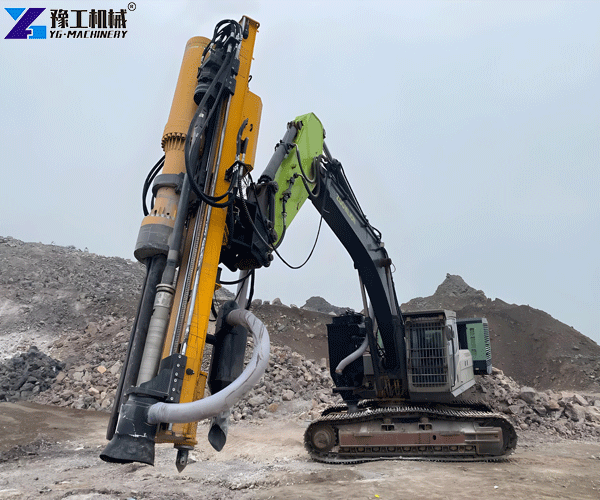
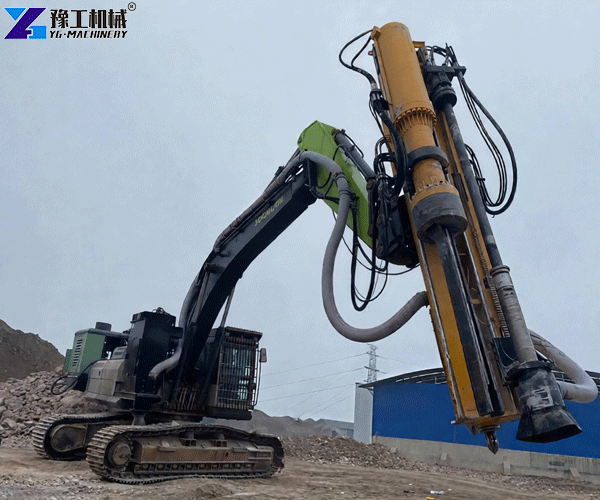
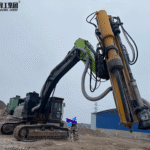
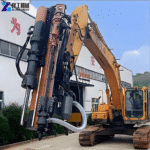
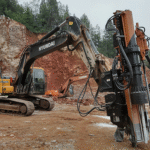
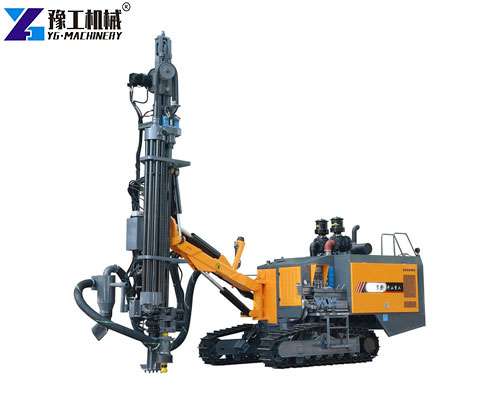
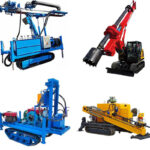
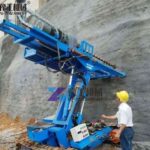
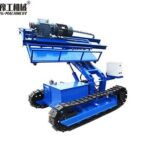
Looking for a drilling and splitting all-in-one machine price? The cost of an integrated rock drilling and splitting machine depends on more than its drilling capacity or hydraulic splitting force. Machine model, excavator compatibility, hydraulic system configuration, optional equipment, and project requirements all influence the final investment.
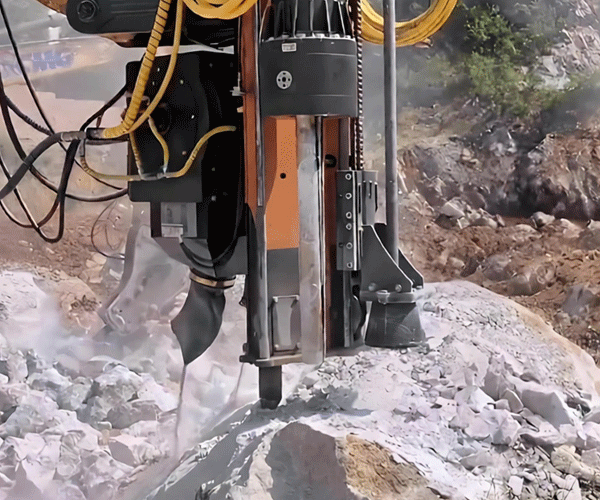
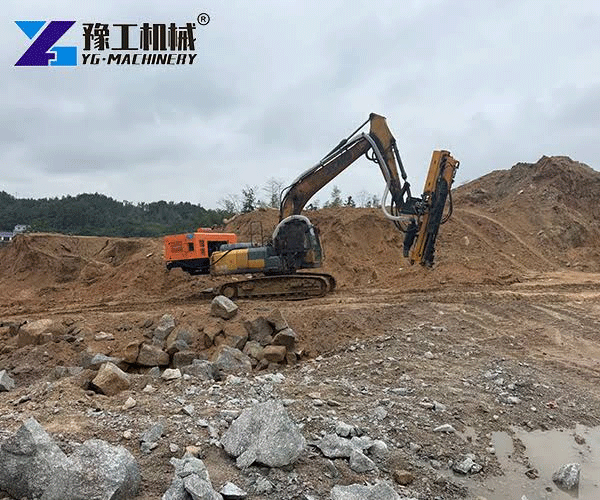
An integrated drilling and splitting machine combines hydraulic rock drilling and hydraulic splitting functions in one unit. It allows contractors to drill holes and split hard rock without switching between separate machines, making it a practical solution for quarries, mining operations, road construction, and foundation excavation.
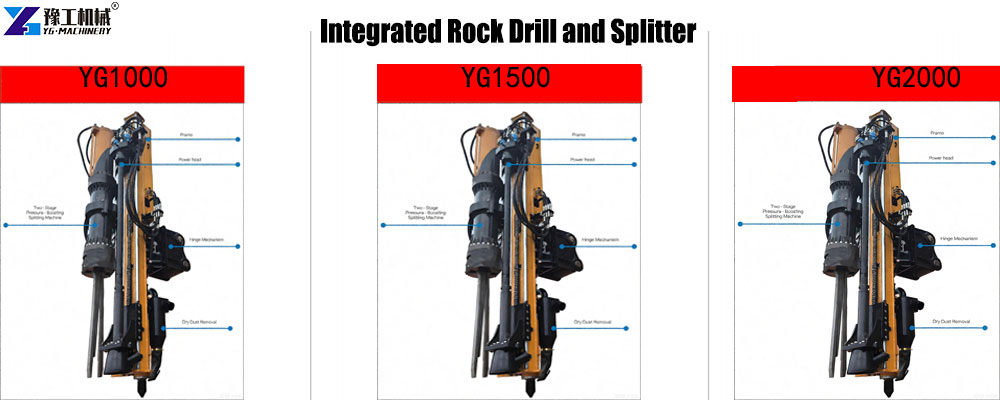
YG offers three main models: YG1000, YG1500, and YG2000, designed for different excavator sizes and rock-breaking requirements.
Rather than providing a fixed price that may not match your project, this guide explains the key cost factors, compares the available models, and helps you determine the right configuration before requesting a quotation.
What Determines the Price of a Drilling and Splitting All-in-One Machine?
There is no single price for every integrated rock drill and splitter. Two machines with similar appearances may have different hydraulic systems, drilling capabilities, splitting forces, and configurations.
The following factors have the greatest influence on the equipment cost.
1.1 Machine Model and Hydraulic Splitting Force
The machine model is one of the primary factors affecting the price.
Different rock conditions require different drilling capabilities and splitting forces. For example, breaking moderately hard limestone for foundation excavation is different from separating large granite blocks in a quarry.
A machine with higher hydraulic splitting force and greater drilling capacity generally requires a more powerful hydraulic system and heavier-duty components.
YG offers three models with different operating capacities:
YG1000: Suitable for 20–36 ton excavators, with a hydraulic splitting force of 12,000 tons.
YG1500: Suitable for 36–48 ton excavators, with a splitting force of 15,000 tons.
YG2000: Suitable for 48–65 ton excavators, with a maximum splitting force of 30,000 tons.
Choosing a larger model than your project requires may increase the initial investment without providing meaningful benefits. The better approach is to match the machine’s capacity to the actual rock-breaking requirements.
1.2 Hydraulic Rock Drilling System
The drilling system directly affects how efficiently the machine prepares holes for splitting.
Important specifications include:
Hydraulic rock drill power
Drilling diameter and depth
Drilling speed and impact performance
Feed mechanism and drilling angle adjustment
A drilling system designed for hard granite or basalt may require a different configuration from one used for limestone or other relatively softer rock formations.
The required hole diameter also matters because the splitting wedge assembly must match the drilled holes. Choosing the drilling system and splitting mechanism together helps ensure effective operation.
1.3 Hydraulic Splitting System
The splitting system is another major component influencing the equipment price.
Its performance depends on several factors:
Maximum hydraulic splitting force
Wedge group structure and dimensions
Hydraulic pressure and flow requirements
Splitting mechanism durability
For projects involving large rock masses or particularly hard formations, a higher splitting force may be necessary.
However, maximum splitting force alone does not determine working efficiency. Rock characteristics, hole spacing, drilling depth, and splitting direction also affect the actual breaking results.
A properly matched drilling and splitting system is more important than simply selecting the highest-capacity model.
1.4 Excavator Compatibility
An integrated rock drill and splitter is designed to work with an excavator, so compatibility is essential when determining the final configuration.
YG models cover excavators from 20 to 65 tons. However, excavator tonnage is only the starting point for equipment selection.
Other important considerations include:
Hydraulic oil flow and working pressure
Available hydraulic circuits
Excavator operating capacity
Mounting dimensions and attachment connections
Control system compatibility
If you already own an excavator, its hydraulic specifications should be evaluated before ordering the machine.
A suitable configuration can help avoid unnecessary hydraulic modifications and ensure that the drilling and splitting systems operate properly.
1.5 Optional Equipment and Custom Configurations
The standard machine configuration may not meet every project’s requirements.
Depending on the working environment, additional options may include:
Dust collection systems for drilling operations
Remote-control systems
Customized hydraulic control arrangements
Special drilling and splitting configurations
For example, quarry operators working in dusty environments may prioritize dust collection, while contractors handling different drilling positions may need a more suitable control and rotation arrangement.
These options can affect the final quotation, so it is better to identify the actual requirements before purchasing.
1.6 Shipping, Spare Parts, and After-Sales Support
The final purchase budget should also include more than the equipment itself.
For overseas buyers, the total investment may include:
International transportation and shipping
Export packing and related handling costs
Spare parts and maintenance components
Installation and operating guidance
After-sales technical support
When comparing suppliers, check what is included in each quotation. A lower equipment price does not necessarily mean a lower overall purchasing cost.
YG1000 vs. YG1500 vs. YG2000: Which Model Should You Choose?
Selecting the right model is one of the most important steps before requesting a drilling and splitting machine quotation.
YG provides three models for different excavator sizes and rock-breaking requirements.
Specification
YG1000
YG1500
YG2000
Compatible excavator
20–36 tons
36–48 tons
48–65 tons
Hydraulic splitting force
12,000 tons
15,000 tons
Up to 30,000 tons
Typical positioning
Medium-duty rock excavation
Heavy-duty rock excavation
High-force rock splitting
Additional drilling and hydraulic system specifications depend on the selected model and configuration.
YG1000: For Medium-Sized Excavators
The YG1000 is designed for excavators between 20 and 36 tons.
It is suitable for contractors who need an integrated drilling and splitting solution for foundation excavation, quarry operations, and other hard-rock projects.
With a hydraulic splitting force of 12,000 tons, it provides a practical option for projects that do not require the highest splitting capacity.
YG1500: For Heavy-Duty Rock Excavation
The YG1500 is compatible with 36–48 ton excavators and provides a hydraulic splitting force of 15,000 tons.
It is suitable for demanding rock excavation applications where stronger drilling and splitting capabilities are required.
Its drilling system features 30 kW power, a 135 mm drilling diameter, and an air consumption requirement of 7.5 m³/min.
YG2000: For High-Force Rock Splitting
The YG2000 is designed for 48–65 ton excavators, with a maximum hydraulic splitting force of 30,000 tons.
It is intended for demanding applications involving large and hard rock formations, where greater splitting capacity is required.
For large quarrying, mining, and heavy-duty excavation projects, the YG2000 provides a higher-capacity option.
Not sure which model fits your excavator? Send YG your excavator model, hydraulic specifications, and rock conditions. Our team can recommend a suitable configuration.
Is an Integrated Drilling and Splitting Machine Worth the Investment?
When evaluating the price of an all-in-one rock drilling and splitting machine, it is important to consider how it fits into your existing operation.
Traditional rock excavation may require separate drilling equipment and hydraulic splitting equipment. Each machine performs one stage of the process, requiring additional equipment coordination and movement.
An integrated machine combines both functions into one working unit.
One Machine for Drilling and Splitting
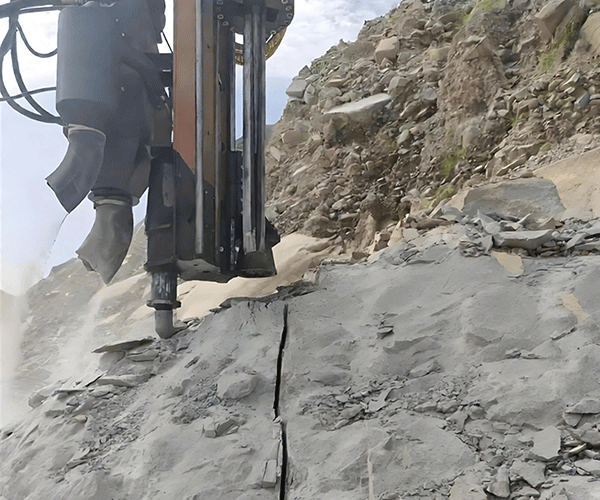
The hydraulic drilling system first creates holes in the rock. The splitting mechanism then uses hydraulic force to expand the wedge assembly inside the holes, generating cracks that separate the rock mass.
This integrated arrangement reduces the need to switch between separate drilling and splitting machines.
Reduced Equipment Movement
Because drilling and splitting functions are integrated, operators can complete both operations using the same excavator-mounted unit.
This helps reduce equipment repositioning and simplifies coordination during rock excavation.
Controlled Rock Breaking Without Explosives
Hydraulic splitting breaks rock through mechanical force rather than explosive blasting.
It is particularly useful for projects where blasting restrictions, vibration concerns, or nearby buildings make conventional blasting unsuitable.
Applications include:
Granite and basalt quarrying
Limestone excavation
Mountain road construction
Building foundation excavation
Mining and tunnel projects
The investment value ultimately depends on project conditions, operating frequency, labor requirements, and the amount of equipment coordination that can be reduced.
What Information Do You Need to Get an Accurate Machine Quote?
Since the price of an integrated rock drilling and splitting machine depends on its configuration, providing accurate project information helps suppliers prepare a more suitable quotation. Before contacting YG, prepare the following details:
Information
Why It Matters
Excavator brand, model, and tonnage
Determines equipment compatibility
Hydraulic oil flow and pressure
Helps match the hydraulic system
Rock type
Helps determine drilling and splitting requirements
Project application
Identifies the appropriate machine configuration
Required drilling diameter and depth
Determines drilling system specifications
Required splitting force
Helps select the correct model
Destination country or port
Helps calculate shipping costs
You do not need to know every technical specification before making an inquiry. If you provide your excavator model, rock type, and project application, YG can help evaluate the suitable equipment configuration.
FAQ About Drilling and Splitting All-in-One Machine Prices
1.How much does an integrated rock drill and splitter cost?
The price varies according to the machine model, drilling system, hydraulic splitting force, excavator compatibility, and optional configurations.
YG provides customized quotations based on project requirements rather than applying one fixed price to all models.
2.Is a larger splitting force always more expensive?
Generally, a higher-capacity machine requires more substantial hydraulic components and a stronger splitting mechanism, which can increase its manufacturing cost.
However, the final price also depends on drilling specifications, control systems, and other equipment configurations.
3.Can I install the machine on my existing excavator?
Yes. YG1000, YG1500, and YG2000 are designed for different excavator weight classes, ranging from 20 to 65 tons.
However, hydraulic flow, working pressure, mounting connections, and control compatibility must also be checked before confirming the configuration.
4.Does the machine include both drilling and splitting systems?
Yes. The integrated design combines a hydraulic rock drilling system and a hydraulic splitting system in one machine.
The drilling system prepares holes, while the splitting system applies hydraulic force to separate the rock.
5.Is the machine suitable for granite and basalt?
Yes. The equipment is designed for hard-rock applications, including granite and basalt, as well as limestone and other rock formations.
The appropriate model and drilling configuration should be selected according to rock hardness, geological conditions, and project requirements.
6.How can I get a quotation from YG?
Contact YG with your excavator model, rock type, project location, and expected working requirements.
Our team can help select a suitable model, confirm the required configuration, and provide a quotation based on your project.
Get a Customized Quote for Your Drilling and Splitting Machine
Choosing the right drilling and splitting all-in-one machine is not simply about finding the lowest purchase price. The key is to select equipment that matches your excavator, rock conditions, and project requirements.
YG provides integrated hydraulic rock drilling and splitting machines for 20–65 ton excavators, with different models and configurations available for various hard-rock excavation applications.
Contact YG today to discuss your project and get a customized machine recommendation and factory quotation.
Send us your excavator specifications and rock-breaking requirements to get started.