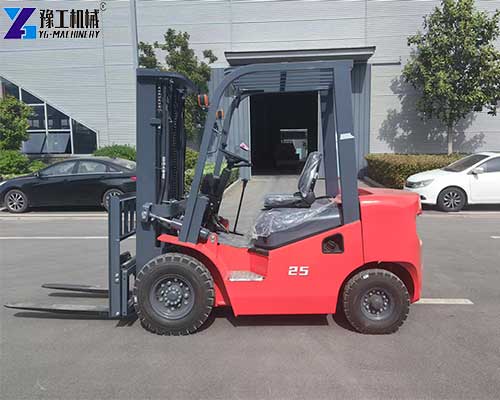
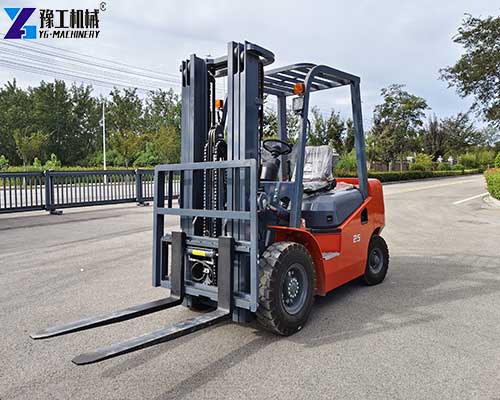
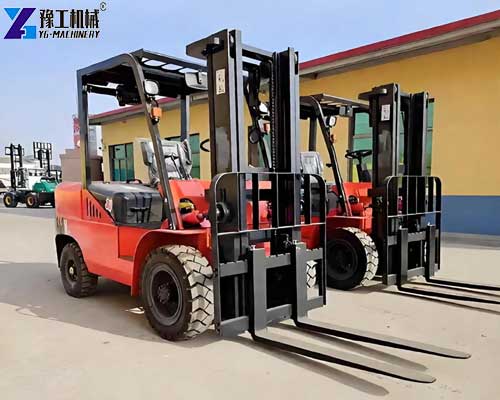
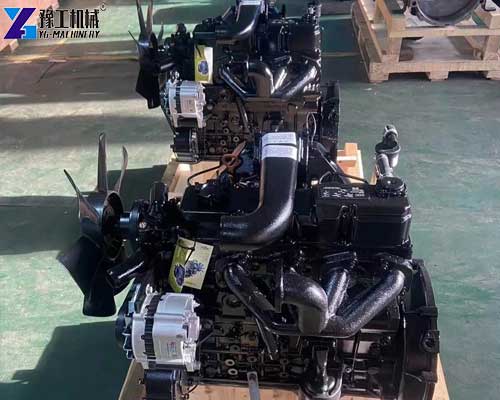
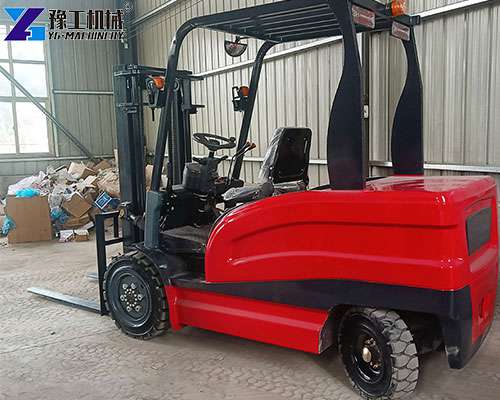
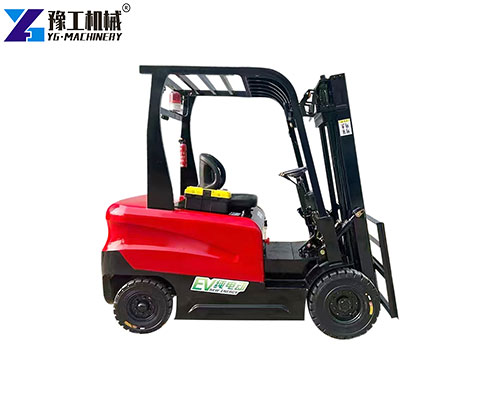
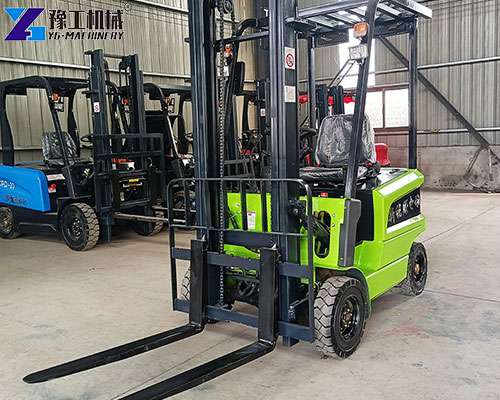
A diesel forklift is built for demanding material handling where high load capacity, long operating hours, and reliable outdoor performance matter more than zero-emission operation. With a powerful diesel engine, robust chassis, and strong traction, it can handle heavy loads and challenging working conditions that may be unsuitable for smaller electric forklifts.
YG Machinery supplies diesel forklift trucks for factories, construction sites, logistics yards, ports, warehouses with outdoor handling areas, and other industrial applications. Different lifting capacities and configurations can be selected according to load weight, lifting height, terrain, and working intensity.
If your operation involves heavy materials, extended shifts, or frequent outdoor handling, a diesel-powered forklift can provide the combination of power, durability, and operational flexibility you need.
The right diesel forklift should be selected according to the actual load and working environment rather than capacity alone.
Specification
Unit
CPC20
CPCD20
CPC25
CPCD25
CPC30
CPCD30
CPC35
CPCD35
CPC38
CPCD38
Power Type
Diesel
Diesel
Diesel
Diesel
Diesel
Diesel
Diesel
Diesel
Diesel
Diesel
Rated Load
kg
3000
3000
3500
3500
3000
3000
3500
3500
4000
4000
Load Center
mm
500
500
500
500
500
500
500
500
500
500
Driving Type
Sit-on
Sit-on
Sit-on
Sit-on
Sit-on
Sit-on
Sit-on
Sit-on
Sit-on
Sit-on
Max Lifting Height (H)
mm
3000
3000
3000
3000
3000
3000
3000
3000
3000
3000
Mast Height Lowered (H1)
mm
2000
2000
2070
2070
2070
2070
2070
2070
2150
2150
Max Fork Height with Load Backrest (H2)
mm
4030
4030
4030
4030
4220
4220
4220
4220
4220
4220
Free Lift Height (H3)
mm
30
30
30
30
30
30
30
30
30
30
Overall Height with Overhead Guard (H4)
mm
2120
2120
2120
2160
2160
2160
2160
2160
2160
2160
Min Ground Clearance at Mast (H5)
mm
115
115
115
115
135
135
135
135
148
148
Seat to Overhead Guard Clearance (H6)
mm
1000
1000
1000
1000
1000
1000
1000
1000
1000
1000
Towing Pin Height (H9)
mm
290
290
290
290
310
310
310
310
323
323
Load Backrest Height (H13)
mm
1000
1000
1000
1000
1215
1215
1215
1215
1215
1215
Overall Length with/without Forks (L/L’)
mm
3685/2615
3685/2615
3685/2615
3685/2615
3913/2693
3913/2693
3913/2693
3913/2693
4063/2843
4063/2843
YG Machinery can configure a suitable diesel forklift according to your material weight, lifting requirements, working surface, and operating conditions.
Diesel engines provide strong torque and traction, making diesel forklifts suitable for moving heavy materials over longer distances and handling demanding workloads.
They are commonly used for:
Steel and metal products
Building materials
Machinery and equipment
Timber and bulk materials
Heavy pallets
For operations where load weight is the primary concern, a diesel forklift can provide the power reserve needed for consistent performance.
2. Designed for Outdoor Working Conditions
One of the main advantages of a diesel forklift is its ability to operate effectively in outdoor environments.
Compared with equipment designed primarily for indoor handling, diesel forklifts are better suited to:
Uneven ground
Dusty working areas
Outdoor storage yards
Construction sites
Loading areas
Industrial yards
With appropriate tires and configuration, the forklift can maintain traction and stability across demanding surfaces.
3. Suitable for Long Working Hours
For intensive operations involving multiple working shifts, operating time is an important consideration.
Diesel forklifts can be refueled relatively quickly, allowing operators to return the machine to service without waiting for a long battery charging cycle.
This makes them particularly useful for:
Continuous material handling
Large industrial yards
Port and logistics operations
Construction material handling
Heavy-duty production facilities
The result is less downtime when equipment availability is critical.
4. Strong Traction and Stability
Heavy-duty handling requires more than lifting capacity. The forklift must also maintain stability while accelerating, turning, and transporting loads.
A properly configured diesel forklift combines:
Robust chassis construction
Strong traction
Stable load handling
Durable tires
Reliable braking performance
These characteristics are especially important when transporting heavy loads across outdoor working areas.
Different operations require different forklift configurations. Capacity, mast design, tires, and attachments should be selected according to the application.
Standard Diesel Forklift
Standard diesel forklifts are suitable for general industrial material handling where operators need reliable lifting and transportation performance.
Typical applications include:
Factories
Outdoor storage yards
Building material handling
General cargo transportation
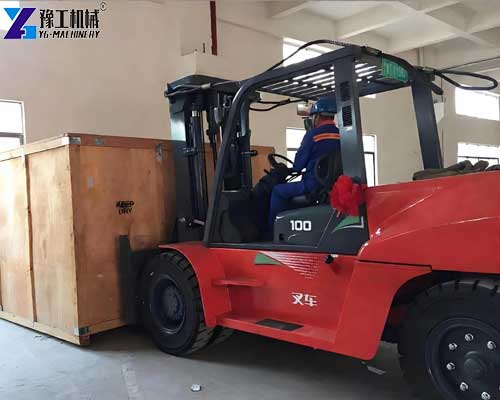
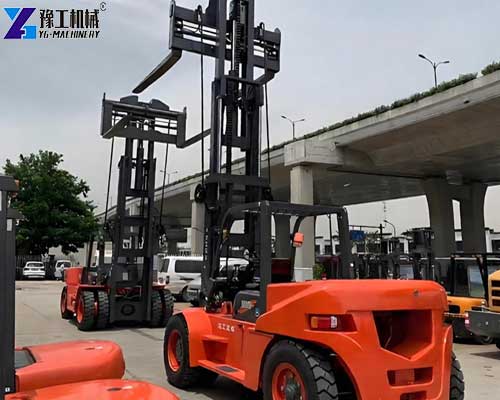
Heavy-Duty Diesel Forklift
For particularly heavy loads, a heavy duty diesel forklift provides greater lifting capacity and a more robust configuration.
These machines are suitable for handling:
Steel products
Heavy machinery
Large components
Construction materials
The correct capacity should be determined by both the maximum load and load center.
Rough Terrain Diesel Forklift
When the working surface is uneven or unpaved, a rough terrain forklift may be a better choice than a standard warehouse-oriented forklift.
Typical applications include:
Construction sites
Farms
Outdoor material yards
Infrastructure projects
Large pneumatic tires and increased ground clearance help improve mobility on uneven surfaces.
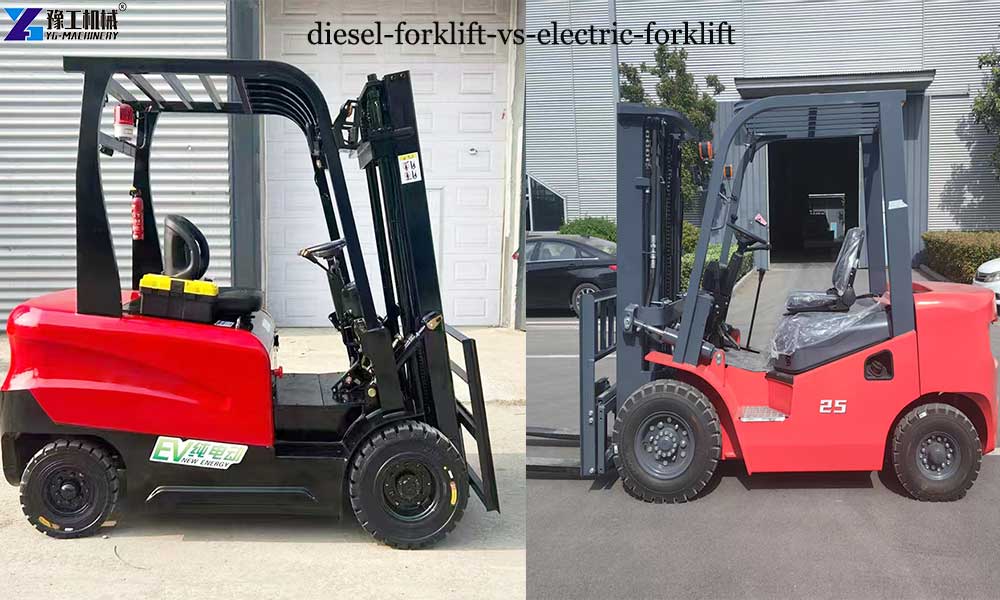
Choosing between diesel and electric power should be based on the working environment rather than simply comparing purchase prices.
Heavy outdoor work
Excellent
Application dependent
Long continuous operation
Excellent
Depends on battery capacity
Uneven terrain
Excellent with suitable configuration
More limited
Indoor operation
Limited by emissions
Excellent
Noise level
Higher
Lower
Exhaust emissions
Yes
Zero during operation
Refueling/charging
Fast refueling
Requires charging
Heavy-duty applications
Excellent
Depends on model
For clean indoor environments, an electric forklift can be the better choice. For heavy outdoor work, long operating periods, and demanding terrain, a diesel forklift is often more practical.
Start with the heaviest load you need to lift rather than the average load.
For example, if most materials weigh 2 tons but occasional loads reach 3 tons, the forklift should be selected based on the actual maximum requirement.
2. Check the Load Center
Rated capacity alone does not determine whether a forklift can safely handle a particular load.
The load center, pallet dimensions, and load distribution should also be considered.
A professional supplier can help verify the required capacity based on your actual cargo dimensions.
3. Consider the Working Surface
For smooth concrete floors, a standard configuration may be sufficient.
For:
Gravel
Dirt
Muddy areas
Uneven ground
a forklift with suitable pneumatic tires, ground clearance, and traction should be considered.
4. Consider Working Intensity
If the forklift will operate for several hours every day, engine performance, cooling, serviceability, and fuel consumption become important factors.
The goal is not simply to purchase the cheapest machine, but to choose equipment that can maintain reliable performance throughout its expected working cycle.
5.Diesel Forklift Attachments
The right attachment can significantly expand the practical applications of a diesel forklift.
Depending on the material being handled, options may include:
Side shifter
Fork positioner
Bale clamp
Paper roll clamp
Rotator
Customized forks
For non-standard loads, YG Machinery can recommend a suitable attachment based on load dimensions, weight, and handling method.
YG Machinery provides diesel forklift solutions for international customers with different load and operating requirements.
Factory-Direct Supply
As a manufacturer, YG Machinery provides direct technical support and competitive factory pricing.
Application-Based Configuration
Instead of selecting a forklift based only on rated capacity, our team can evaluate:
Load weight
Load center
Lift height
Ground conditions
Operating hours
Required attachments
Export Support
YG Machinery provides support for overseas customers from model selection and configuration to export shipment. Each machine can be prepared according to the customer’s project and destination requirements.
Diesel forklifts are mainly used for heavy-duty material handling, particularly in outdoor yards, construction sites, factories, ports, and other industrial environments.
2.Is a diesel forklift suitable for outdoor use?
Yes. Diesel forklifts are particularly suitable for outdoor applications because of their strong traction, engine power, and ability to operate for extended periods.
3.How much does a diesel forklift cost?
The diesel forklift price depends on lifting capacity, mast height, engine configuration, tire type, attachments, and shipping destination. Contact YG Machinery for a project-specific quotation.
4.What is better, a diesel or electric forklift?
Neither is universally better. Electric forklifts are generally more suitable for clean indoor environments, while diesel forklifts are often preferred for heavy outdoor handling, demanding terrain, and long operating hours.
Conclusion
A diesel forklift is a practical choice when material handling requires high lifting capacity, strong traction, extended operating time, and reliable outdoor performance.
From construction sites and industrial yards to factories, ports, and building material facilities, the right diesel-powered forklift can improve handling efficiency while reducing dependence on manual labor.
YG Machinery provides diesel forklift configurations for different load capacities, working environments, and applications. Tell us your load weight, lifting height, working surface, and daily operating hours, and our engineers can recommend a suitable model.