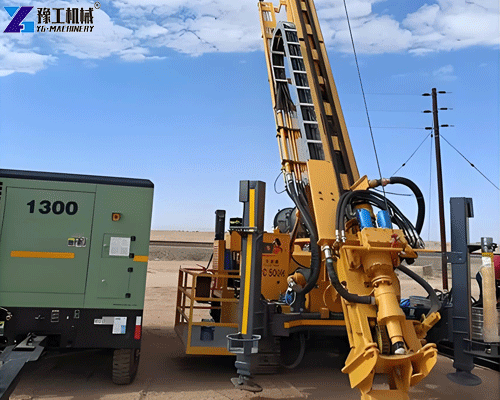
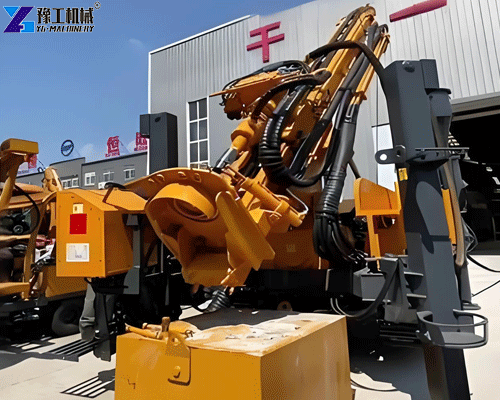
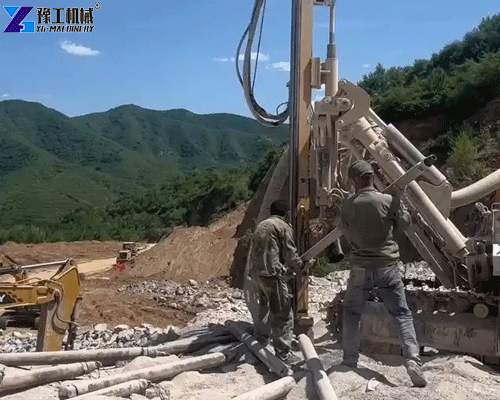
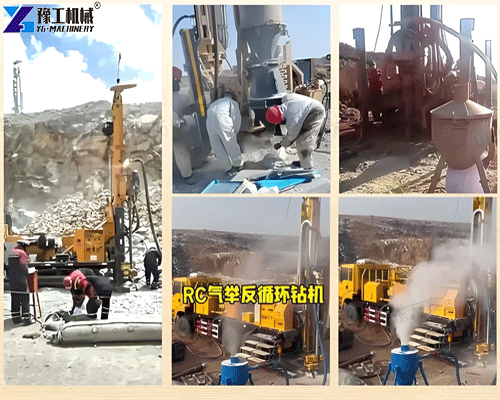
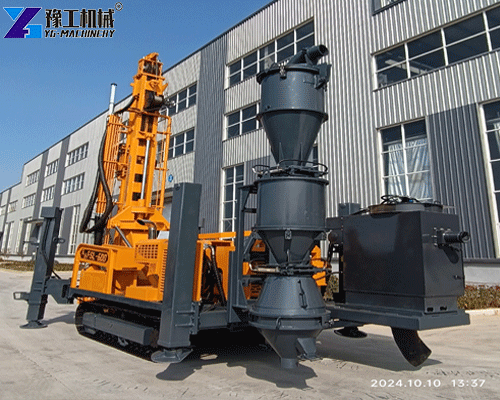
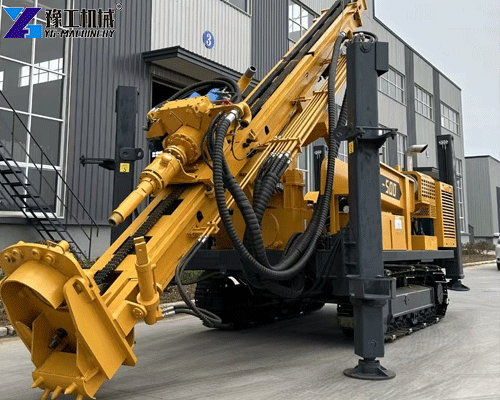
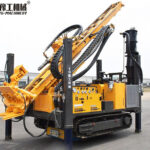
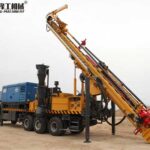
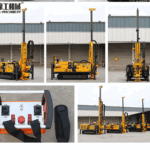
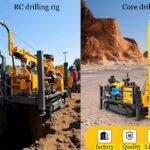
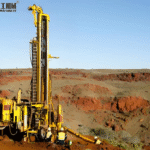
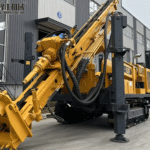
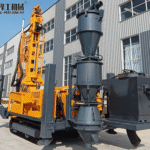
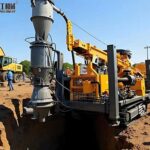
Iron ore exploration requires reliable drilling equipment that can deliver fast penetration, accurate sample recovery, and consistent performance in challenging mining environments. The RC drilling rig for iron ore is designed for mineral exploration projects where geological accuracy and drilling efficiency are critical. By using reverse circulation technology with dual-wall drill pipes, RC rigs collect clean rock samples while reducing contamination and improving drilling productivity.
From early-stage exploration to mine resource evaluation, YG RC drilling rigs provide an efficient solution for iron ore companies worldwide.
Challenges in Iron Ore Exploration Drilling
Iron ore mining companies often face several challenges during exploration:
1. Slow drilling speed: Traditional drilling methods may require longer operation times when exploring large mineral areas.
2.Sample contamination: Accurate geological analysis depends on clean and representative rock samples.
3.Difficult mining environments: Iron ore deposits are often located in:
- Remote regions
- Rocky terrains
- Large open-pit mining areas
4.High exploration costs: Mining companies need equipment that improves drilling efficiency while reducing operational expenses.
Why Choose RC Drilling Rig for Iron Ore Exploration?
Reverse circulation drilling is widely used in iron ore exploration because it combines drilling speed with reliable sample collection.
Advantages include:
1. Fast Drilling Performance
RC drilling rigs use compressed air and dual-wall drill pipes to efficiently remove rock chips from the borehole.
Benefits:
- Faster exploration progress
- Reduced drilling downtime
- Higher productivity in large projects
2. Accurate Iron Ore Sample Collection
During iron ore exploration, geological samples directly influence resource evaluation.
The RC system:
- Reduces sample contamination
- Provides continuous rock chip recovery
- Supports accurate grade analysis
3. Suitable for Large-Scale Mining Projects
RC rigs are commonly used for:
- Iron ore exploration drilling
- Resource estimation
- Production sampling
- Mine expansion evaluation
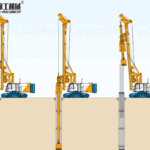
How Does RC Drilling Work in Iron Ore Exploration?
Step 1: Drilling penetration
The drill bit penetrates underground formations and breaks rock.
Step 2: Reverse circulation sample transport
Compressed air lifts rock chips through the inner tube of the dual-wall drill pipe.
Step 3: Sample collection
Rock samples are collected on the surface for geological testing.
Step 4: Resource evaluation
Mining engineers analyze samples to determine:
- Ore grade
- Deposit location
- Mining feasibility
Recommended RC Drilling Rig Models for Iron Ore Projects
| YG-400 RC Rig | 400m | Small iron ore exploration |
| YG-600 RC Rig | 600m | Medium mining exploration |
| YG-800 RC Rig | 800m | Open-pit iron ore projects |
| YG-1200 RC Rig | 1200m | Deep mineral exploration |
RC Drilling Rig Parameters
| YG-400 | 400m | 105-305mm | Yuchai 92kW |
| YG-600 | 600m | 105-450mm | Cummins 132kW |
| YG-800 | 800m | 105-550mm | Cummins 194kW |
| YG-1200 | 1200m | 105-800mm | Cummins 264kW |
These rigs cover a wide range of drilling depths and hole diameters, making them suitable for small-scale exploration to large iron ore mining projects.


Applications of RC Drilling Rig in Iron Ore Mining
1.Iron Ore Exploration
Used for:
- Geological investigation
- Deposit identification
- Resource estimation
2.Mine Expansion Projects
RC drilling helps evaluate additional ore reserves around existing mines.
3.Production Grade Control
Mining companies use RC sampling to monitor ore quality during production.
RC Drilling Rig Application in Guinea Iron Ore Exploration
Project Location: Guinea
Equipment: YG-800 RC Drilling Rig
Application: Iron ore geological exploration
Challenge: The project required efficient drilling equipment for rapid geological sampling in a remote mining area.
Solution: The YG-800 RC drilling rig provided:
- High drilling torque
- Stable operation
- Accurate sample recovery
Result: The customer improved exploration efficiency and reduced manual labor requirements.
How to Select an RC Drilling Rig for Iron Ore?
1. Required drilling depth: 400m-1200m models cover different exploration requirements.
2. Rock formation conditions: Hard rock conditions require higher torque and power.
3. Hole diameter: Choose according to sampling requirements.
4. Mobility requirements: Crawler-mounted rigs are suitable for difficult terrain.
FAQ about RC drilling rig
1.What is the best RC drilling rig for iron ore exploration?
The best RC drilling rig depends on drilling depth, hole diameter, and geological conditions. YG-600, YG-800, and YG-1200 models are commonly selected for medium to deep iron ore exploration.
2.How deep can an RC drilling rig drill?
YG RC drilling rigs can achieve drilling depths from 400m to 1200m depending on the model.
3.Why is RC drilling suitable for iron ore?
RC drilling provides fast penetration and clean samples, making it suitable for geological evaluation and mineral resource estimation.

How to Choose the Right RC Drilling Rig?
- Drilling Depth and Hole Diameter Requirements – Select a model that matches your target borehole specifications.
- Power Source – Diesel engines like Cummins provide reliability for continuous operations.
- Mobility Needs – Wheel or track-mounted rigs ensure adaptability to different terrains.
- Sample Quality – Dual-wall RC pipes are essential for uncontaminated iron ore sampling.
Maintenance and Operation Tips
- Regularly inspect drill pipes and dual-wall tubes for wear.
- Lubricate rotary and feed mechanisms to ensure smooth operation.
- Conduct engine and hydraulic system checks to maximize longevity.
- Train operators on safety protocols and emergency procedures.


Why Choose YG RC Drilling Rigs?
- High-Performance Models: YG-400 to YG-1200 series cover all drilling depths and diameters.
- Global Support: Professional technical assistance for installation, operation, and maintenance.
- Cost-Effective: Factory-direct pricing with low operating and maintenance costs.
- Proven Reliability: Used in over 20 countries, including Brazil, Australia, and Africa.