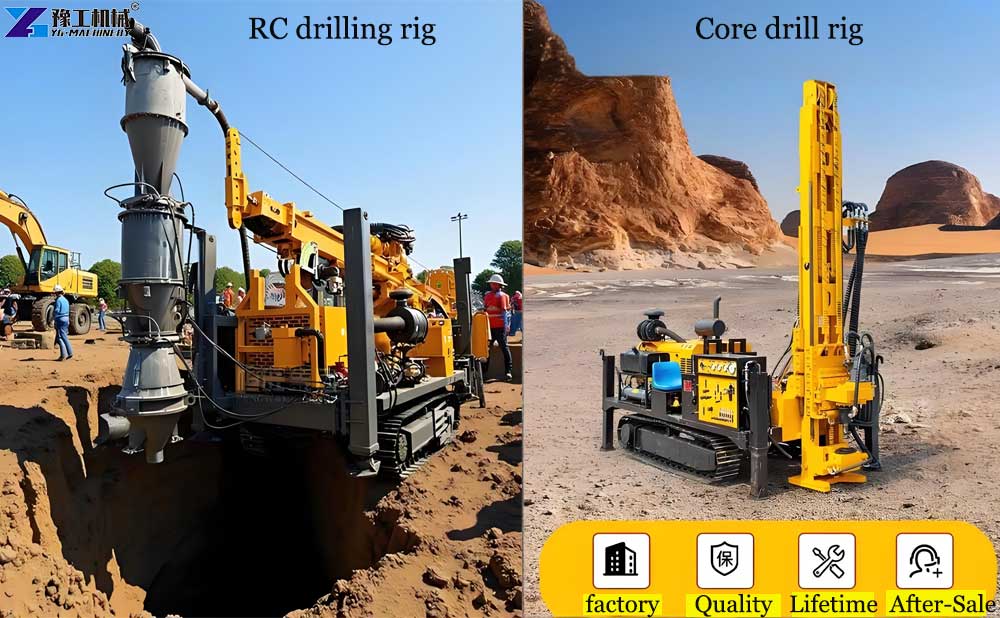
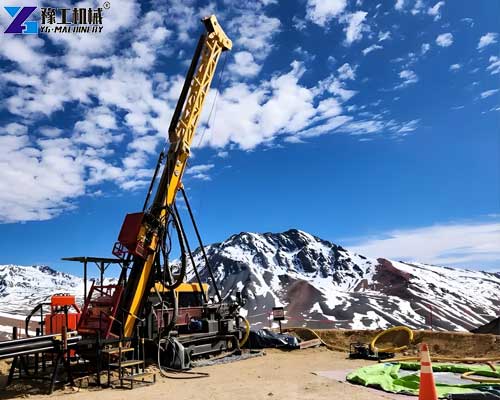
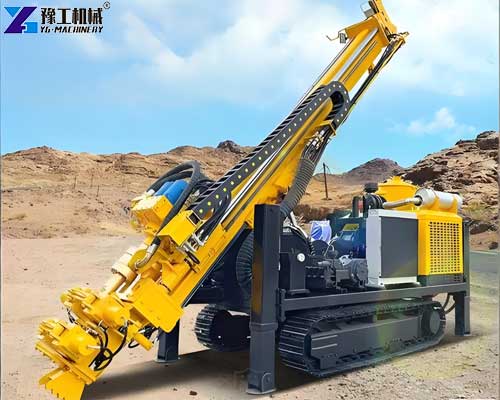
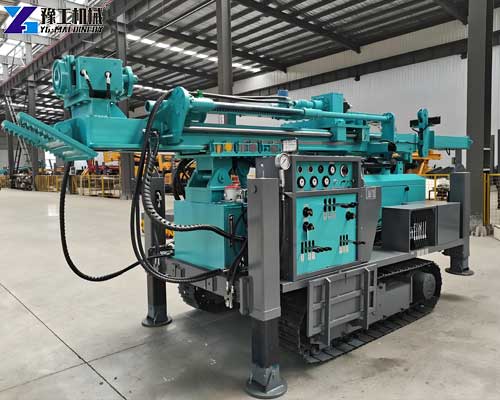
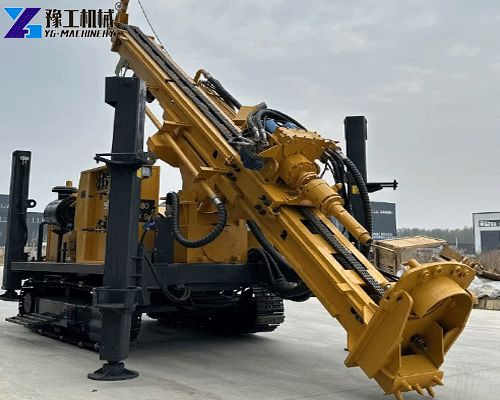
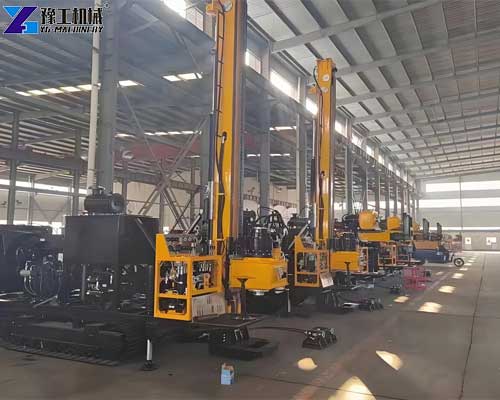
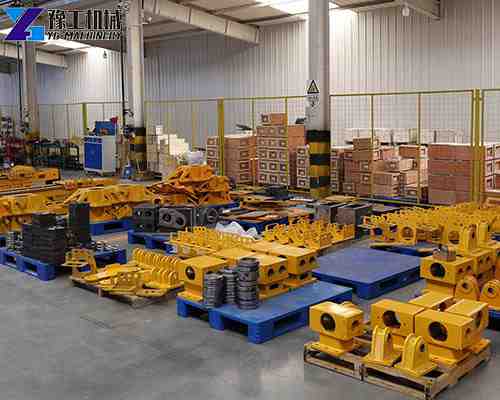
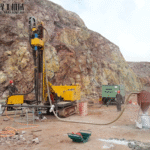
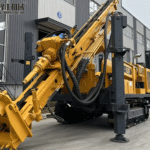
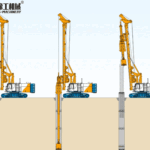
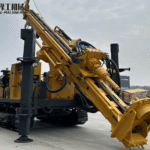
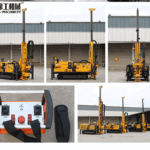
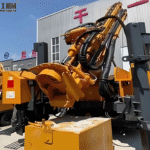
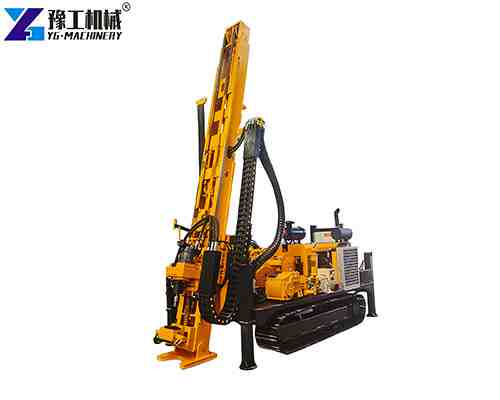
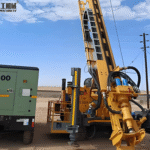
In mining and geological exploration projects, the choice of drilling equipment significantly impacts exploration accuracy, drilling efficiency, and overall project expenses. Two of the most commonly utilized machines in mineral exploration are the hydraulic core drill rig and the reverse circulation (RC) drill rig. Although both are employed for subsurface investigations, they fulfill distinctly different roles.
Many project failures or budget overruns occur not due to inadequate drilling performance, but rather because the incorrect drilling method was chosen at the outset.
This guide offers a straightforward, technical, and field-oriented comparison to assist you in selecting the appropriate equipment based on actual geological conditions, rather than theoretical assumptions.
What is a Hydraulic Core Drill Rig?
A hydraulic core drill rig is engineered to extract continuous cylindrical rock samples (core samples) from underground formations. These samples are essential for comprehensive geological analysis, including mineral composition, rock structure, and stratigraphy. The system generally employs a diamond drill bit and a hydraulic power system to ensure stable torque and penetration pressure during deep drilling operations.
Key Technical Characteristics:
- Continuous core sample extraction (high geological accuracy)
- Hydraulic drive system for stable torque output
- Compatible with diamond core drilling tools
- High core recovery rate in hard rock formations
This drilling method is primarily utilized when the quality of samples and geological precision take precedence over drilling speed.


What is a Reverse Circulation Drill Rig?
A reverse circulation (RC) drill rig is designed for rapid and efficient drilling in mineral exploration projects. Rather than extracting solid cores, it gathers rock cuttings through a dual-wall drill pipe system. Compressed air is utilized to transport cuttings to the surface via the inner tube, thereby minimizing contamination and enhancing sampling efficiency.
Key Technical Characteristics:
- Fast penetration rate in mineral exploration
- Dual-wall drill pipe system
- Rock cuttings collected via air circulation
- Lower sample contamination compared to conventional rotary drilling
RC drilling is widely used in large-scale mining exploration where speed and cost efficiency are critical.
Core Differences Between Hydraulic Core and RC Drill Rig
| Sample Type | Continuous rock core | Rock cuttings |
| Geological Accuracy | Very high | Medium |
| Drilling Speed | Medium | Very fast |
| Cost per Meter | Higher | Lower |
| Best Use Stage | Detailed exploration | Early-stage exploration |
| Data Quality | Excellent for lab analysis | Suitable for general analysis |
| Operational Complexity | Medium | Higher air system requirement |
Application Differences in Real Mining Projects
Understanding real-world application scenarios is more important than technical specifications.
Hydraulic Core Drill Rig Applications:
- Gold and copper detailed exploration
- Geological structure analysis projects
- Engineering geology surveys
- Mining feasibility studies
- Projects requiring laboratory-grade core samples
This system is preferred when companies need to understand exact underground rock conditions before investment decisions.
Reverse Circulation Drill Rig Applications:
- Large-scale mineral exploration programs
- Early-stage mining area evaluation
- Fast resource estimation drilling
- Iron ore, gold, and base metal exploration
- Projects requiring high drilling volume in short time
RC drilling is commonly used when companies need to quickly determine whether a mining zone is worth further investment.


Efficiency vs Accuracy: The Key Decision Factor
The most important difference between the two systems is not technical—it is strategic.
- The hydraulic core drill rig focuses on geological precision and sample integrity.
- The RC drill rig focuses on drilling speed and cost efficiency.
In many modern mining projects, both systems are used in sequence:
- RC drilling for fast area screening
- Core drilling for detailed confirmation
This combined strategy significantly reduces exploration risk while optimizing cost.
Cost and ROI Consideration
From a project management perspective, cost should not be evaluated only per meter drilled.
Reverse Circulation Drill Rig:
- Lower drilling cost per meter
- High daily penetration rate
- Ideal for reducing early-stage exploration cost
Hydraulic Core Drill Rig:
- Higher cost per sample
- High value of geological data
- Reduces risk in investment decisions
In practice, data quality often has higher long-term value than drilling speed in high-value mining projects.


Technical Integration in Modern Drilling Projects
Modern drilling operations are increasingly moving toward integrated systems:
- Hydraulic control systems for precision drilling
- Digital depth and sampling monitoring
- Remote operation and data logging systems
- Hybrid drilling strategies combining RC + core drilling
Advanced drilling projects often combine multiple rigs to improve exploration accuracy and operational efficiency.
How to Choose the Right Drilling Rig?
You should select equipment based on your project stage and geological requirements:
Choose Hydraulic Core Drill Rig if:
- You need high-accuracy geological data
- The project is in feasibility or evaluation stage
- Rock formation analysis is required
- Sample integrity is critical
Choose Reverse Circulation Drill Rig if:
- You need fast mineral exploration
- You are working on large mining areas
- Cost efficiency is a priority
- You are in early-stage exploration
FAQ about RC drilling and core drilling
1. What is the main difference between RC drilling and core drilling?
RC drilling collects rock cuttings for fast analysis, while core drilling extracts intact rock samples for detailed geological study.
2. Which drilling method is faster?
Reverse circulation drilling is significantly faster and is widely used in large-scale exploration projects.
3. Is core drilling more accurate than RC drilling?
Yes. Core drilling provides continuous rock samples, making it more suitable for precise geological interpretation.
4. Can both drilling methods be used in one project?
Yes. Many mining companies use RC drilling for initial exploration and core drilling for confirmation.
5. Which drilling rig is better for gold exploration?
RC drilling is often used for early gold exploration, while core drilling is used for detailed resource evaluation.
Conclusion
The choice between a hydraulic core drill rig and a reverse circulation drill rig is not about which machine is better—it is about which one fits your project stage.
If your goal is speed and large-area exploration, RC drilling is the right choice.
If your goal is accurate geological analysis and investment decision support, core drilling is essential.
Understanding this difference can significantly reduce exploration risk and improve mining project success rates.
Get Professional Drilling Solutions
Looking for reliable drilling equipment for your mining project?
We provide both hydraulic core drill rigs and reverse circulation drill rigs with customizable configurations for different geological conditions and project requirements.
📩 Contact us today to get:
- Technical consultation based on your mining site
- Customized drilling rig configuration
- Factory pricing and global delivery support
- Full mining exploration equipment solutions
Choose the right drilling system and improve your exploration efficiency from the very beginning.