Choosing the right PU spray machine is important for achieving stable material mixing, consistent spraying, and reliable application results. Different projects require different output capacities, working pressures, heating systems, and configurations.
Whether you are spraying polyurethane foam for building insulation, insulating industrial pipes, or applying polyurethane coatings, the machine should match both the material and the working conditions.
This guide explains the key factors to consider before buying a PU spray machine.
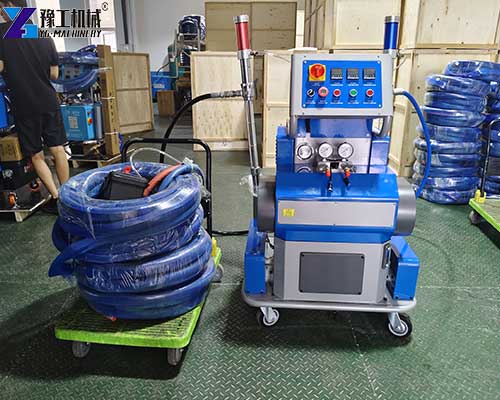
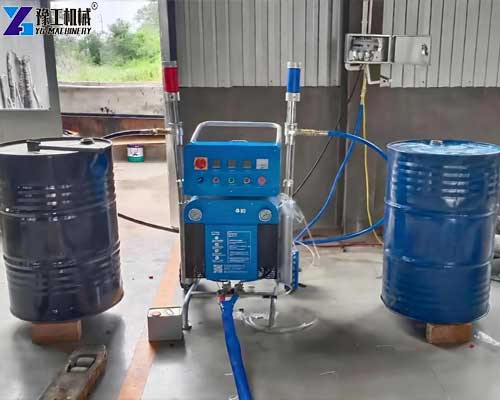
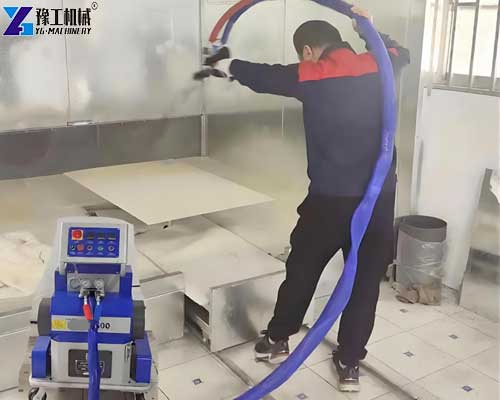
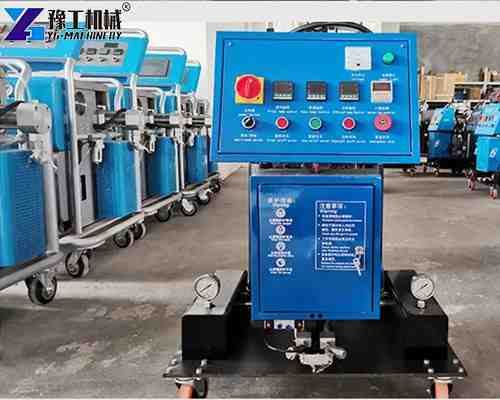
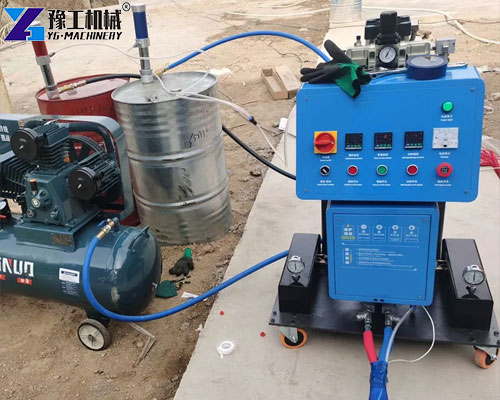
A PU spray machine, short for polyurethane spray machine, is equipment designed to process and spray two-component polyurethane materials.
The machine typically performs several functions:
Supplies the A and B components separately
Heats the materials to the required temperature
Pressurizes and meters the materials
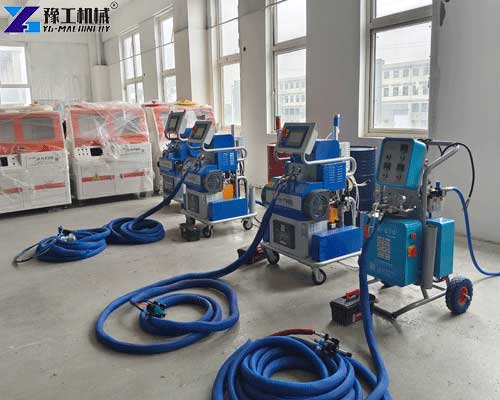
Delivers the components through heated hoses
Mixes the materials at the spray gun
Applies the mixture evenly to the target surface
Depending on the material formulation and machine configuration, PU spraying equipment can be used for polyurethane foam insulation, protective coatings, and other polyurethane applications.
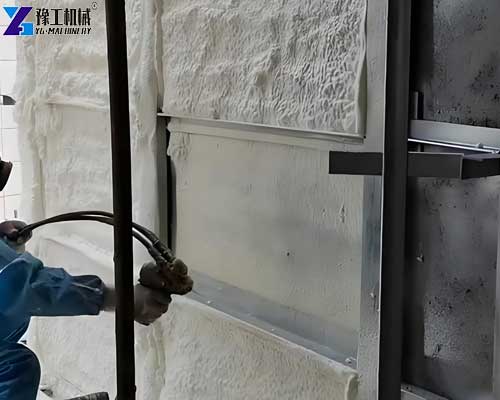
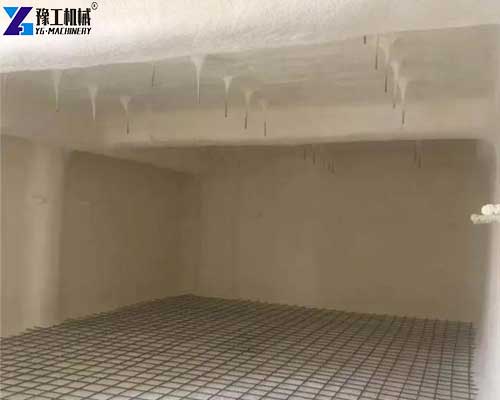
A polyurethane foam spraying machine can apply insulation directly to walls, roofs, and other areas where a continuous insulation layer is required.
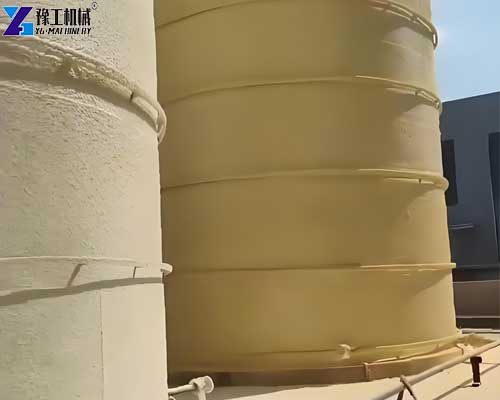
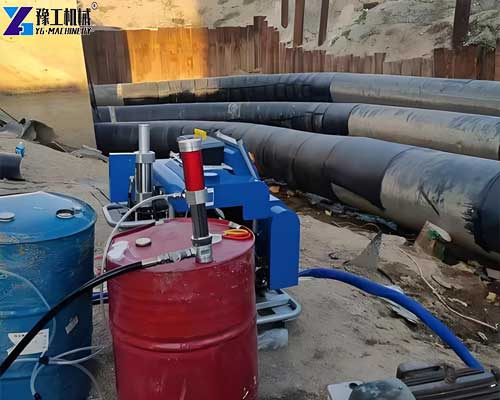
4.Tank and Equipment Insulation
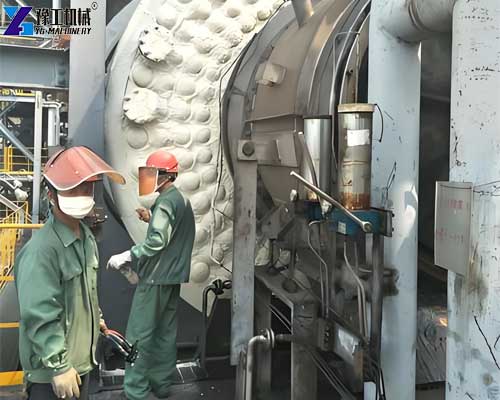
PU foam can also be sprayed onto storage tanks and industrial equipment. The flexibility of spray application makes it suitable for large or irregular surfaces.
5.Polyurethane Coating Applications
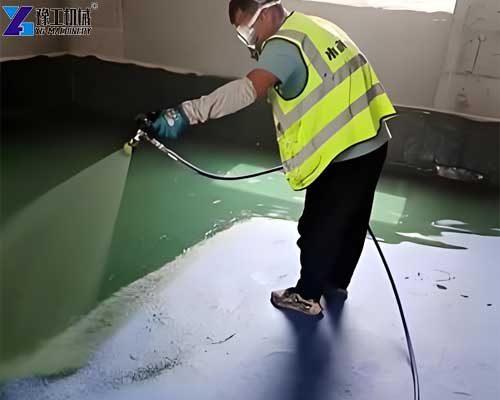
Some polyurethane spray machines can be configured for polyurethane protective coatings. However, the equipment must be compatible with the specific coating formulation.
If the project involves polyurea rather than polyurethane foam or coating, confirm the required pressure, temperature, mixing ratio, and equipment configuration before purchasing.
6 Factors to Consider When Choosing a PU Spray Machine
1. Material Type
Start with the material, not the machine.
Determine whether you will spray:
Polyurethane foam
Polyurethane coating
Polyurea
Other two-component materials
Different materials have different viscosity, temperature, pressure, and mixing requirements.
Providing the material manufacturer’s technical data sheet is the best way to ensure equipment compatibility.
2. Required Output
Output capacity determines how quickly the machine can process and spray material.
Small repair or insulation projects generally require less output, while large roofs, warehouses, pipelines, and industrial projects may need a higher-capacity system.
A machine with excessive output can be unnecessary for small projects, while insufficient output can slow down large-scale work.
Choose the capacity according to the actual spraying area, working schedule, and material requirements.
3. Working Pressure
Working pressure affects material delivery and spraying performance.
A high-pressure PU spray machine can provide effective material atomization and mixing when properly matched to the material and spray gun.
However, higher pressure is not automatically better. The correct operating pressure should follow the material manufacturer’s specifications.
4. Heating Capacity
Temperature control is one of the most important factors in polyurethane spraying.
PU materials can change viscosity with temperature. Insufficient heating may affect material flow and mixing, while unstable temperature can lead to inconsistent spraying results.
A suitable machine should provide reliable:
Component heating
Hose heating
Temperature control
Heat retention during spraying
For projects in colder environments or large industrial facilities, heating performance deserves particular attention.
5. Hose Length and Spray Gun
The working distance between the machine and application area affects hose selection.
Shorter hoses may be suitable for compact jobs, while industrial buildings, tanks, and pipelines may require longer heated hoses.
The spray gun should also be compatible with the material and required output.
6. Power Supply
Check the available power supply before ordering.
Depending on the model, PU spray equipment may be configured for different voltage and phase requirements.
Confirm:
Voltage
Frequency
Single-phase or three-phase power
Available electrical capacity
This is particularly important for international projects where electrical standards vary between countries.
Although the names are similar, these machines serve different purposes.
Main Function
Spraying polyurethane onto surfaces
Producing polyurethane foam products
Typical Use
Insulation and coating
Molded or formed foam products
Working Environment
Often on-site
Usually factory/workshop
Main Concern
Spray quality and coverage
Production cycle and product consistency
Mobility
Often portable
Usually fixed or semi-fixed
If your goal is to apply polyurethane directly to roofs, walls, pipes, tanks, or other surfaces, a PU spray machine is generally the more relevant equipment category.
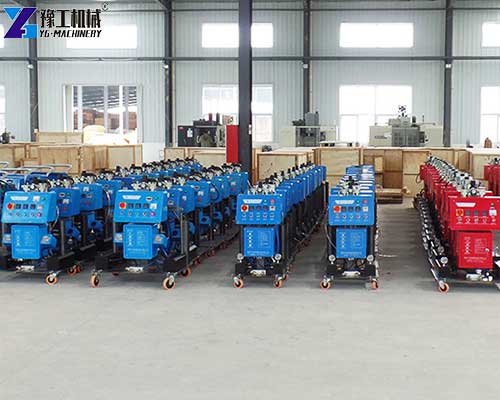
YG Machinery supplies polyurethane spraying equipment for insulation, industrial applications, and protective coating projects.
The machine configuration can be customized according to:
Material type
Required output
Working pressure
Heating requirements
Hose length
Power supply
Application conditions
Instead of selecting a machine based only on a model number, customers can provide their material specifications and project requirements so engineers can recommend a suitable configuration.
The best PU spray machine depends on what you are spraying, where you are spraying it, and how much material you need to process.
Tell us your material type, application, required output, power supply, and project conditions. YG Machinery can recommend a suitable polyurethane spraying machine configuration for your project.