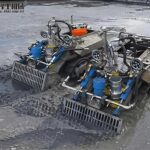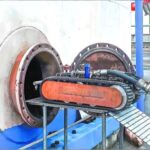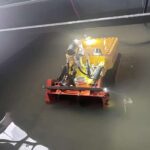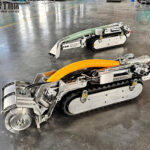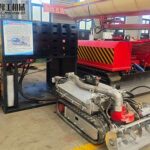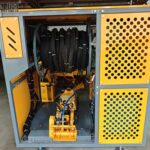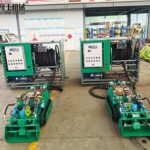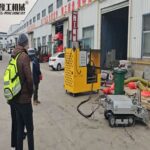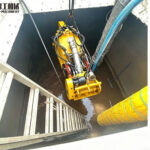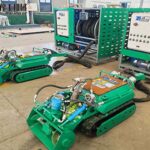
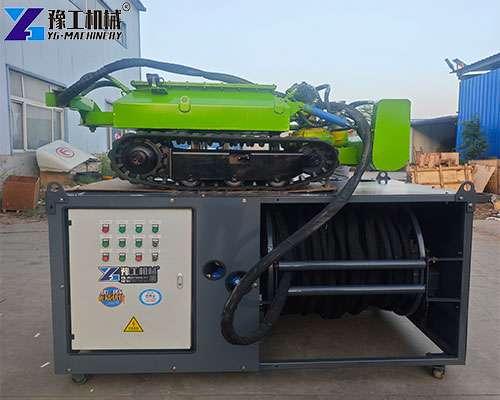

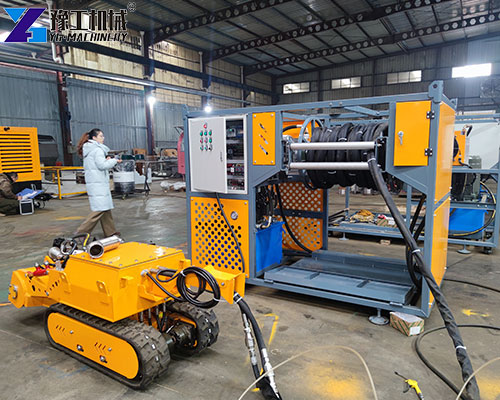
Sludge accumulation is a common maintenance challenge in wastewater treatment plants, anaerobic digesters, and industrial water systems. Over time, settled sludge can reduce tank capacity, affect treatment efficiency, and increase cleaning costs. Traditional sludge removal methods often require tank shutdown, manual labor, or heavy equipment, making regular maintenance difficult. The sludge removal robot provides an efficient solution for removing accumulated sludge from tanks and treatment facilities through remote operation, sludge loosening, suction, and transportation.
Sludge Removal Robot Parameters
| Parameter | YG450 | YG500 | YG600 | YG700 | YG800 | YG900 | YG1200 |
| Robot Dimensions (mm) | ≤1700 × 450 × 450 | 1500 × 500 × 650 | 1500 × 600 × 650 | 1600 × 700 × 650 | 1600 × 850 × 700 | 1650 × 960 × 750 | 1900 × 1200 × 750 |
| Applicable Manhole / Access | ≥600 mm opening | ≥600 mm opening | ≥600 mm opening | ≥700 mm opening | ≥800 mm opening | ≥900 mm opening | Large culvert / open access |
| Dredging Width (mm) | 450 | 500 | 600 | 700 | 800 | 900 | Suitable for large culverts |
| Travel Speed (m/s) | 3–12 | 3–15 | 3–15 | 3–15 | 3–15 | 3–15 | 0–17 m/min |
| Pump Diameter (inch) | 3 | 3 | 3 | 4 | 4 | 4 | 4 or 6 |
| Pump Flow (m³/h) | 50 | 100 | 100 | 160 | 160 | 200 | 250 |
| Pump Head (m) | 0-30 | 0–30 | 0–30 | 0–25 | 0–25 | 0–25 | 0–30 (Horizontal: 100–150 m) |
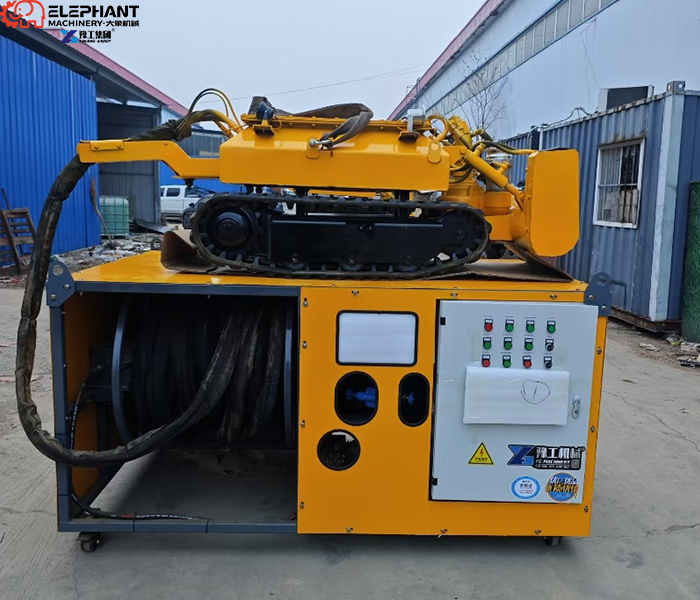
| Hydraulic Station Dimensions (mm) | 2000 × 1100 × 1500 (recommended) | 2200 × 1200 × 1700 | 2200 × 1200 × 1700 | 2200 × 1200 × 1700 | 2200 × 1200 × 1700 | 2200 × 1200 × 1700 | 2120 × 1240 × 1200 |
| Main Motor Power (kW) | 11–15 kW | 18 | 18 | 22 | 22 | 22 | 45 kW (50 kW) / Diesel 76 kW (123 kW) |
| Hydraulic System Pressure (MPa) | 0–16 | 0–16 | 0–16 | 0–16 | 0–16 | 0–16 | Custom / high-pressure system |
| Particle Size Capacity (mm) | ≤10–20 mm (soft sludge) | 15 | 15 | 40 | 40 | 50 | 0–40 (customizable) |
| Winch Speed (r/min) | 0–10 | 0–10 | 0–10 | 0–10 | 0–10 | 0–10 | 0–10 |
| Pipe Length (m) | 20–30 optional | 30–50 optional | 30–50 optional | 30–50 optional | 30–50 optional | 30–50 optional | 30 m/pack, high-pressure resistant |
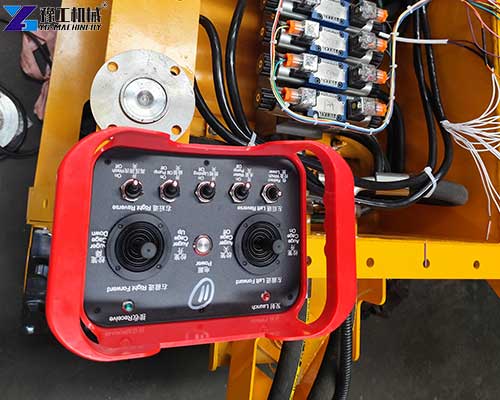
| Control System | Wireless Remote Control | Wireless Remote | Wireless Remote | Wireless Remote | Wireless Remote | Wireless Remote | Wireless Remote |
| Lighting System | Underwater LED ×2 | Underwater LED ×2 | Underwater LED ×2 | Underwater LED ×2 | Underwater LED ×2 | Underwater LED ×2 | Underwater LED ×2 |
Why Do Facilities Need Sludge Removal Solutions?
Sludge Accumulation Reduces System Efficiency
During wastewater treatment and industrial processes, solids gradually settle at the bottom of tanks.
Common problems include:
- Reduced effective tank volume
- Lower treatment performance
- Increased maintenance frequency
- Difficult sludge extraction
Regular sludge removal helps maintain stable operation and extends the service life of treatment facilities.
Traditional Sludge Cleaning Methods Have Limitations
Manual sludge cleaning usually requires:
- Tank emptying
- Large labor input
- Long maintenance time
- Limited access operation
For facilities that operate continuously, frequent shutdowns can affect production and treatment efficiency.
A robotic sludge removal system allows operators to clean accumulated sludge more efficiently while reducing manual work.
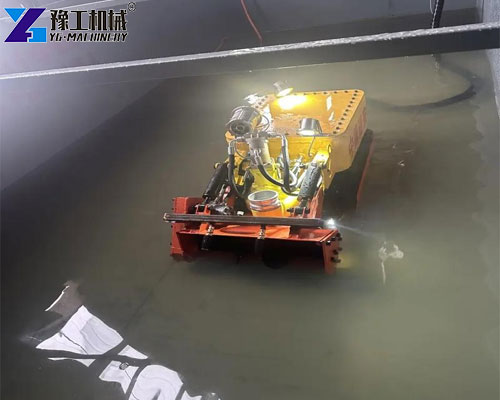
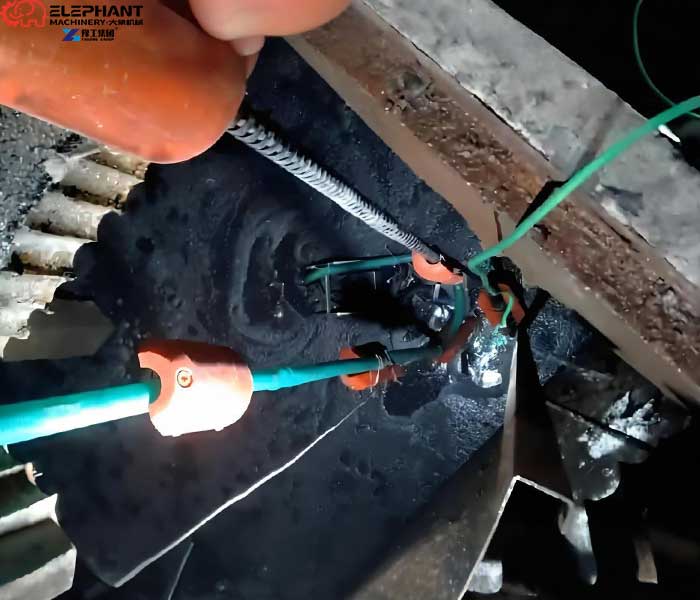
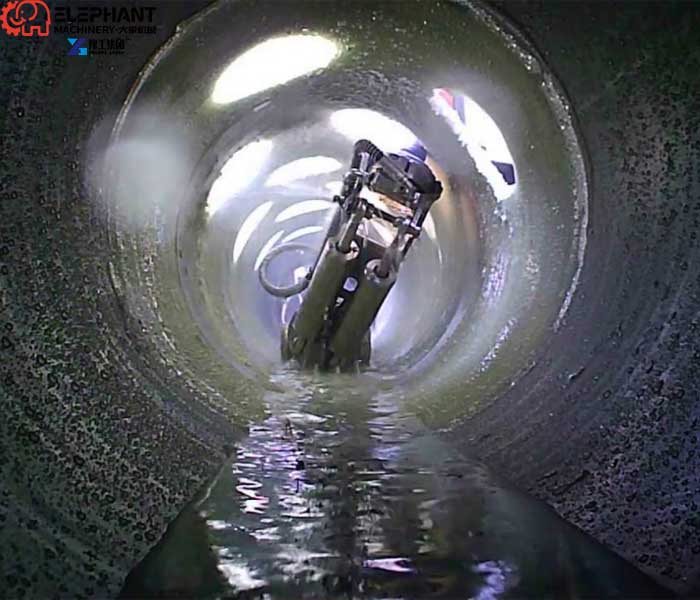
Sludge Removal Robot Applications
Wastewater Treatment Plants
Wastewater facilities continuously generate biological and settled sludge during treatment processes.
Typical applications include:
- Sedimentation tanks
- Sludge thickening tanks
- Clarifiers
- Wastewater storage tanks
The sludge removal robot helps remove deposited sludge and maintain treatment capacity without extensive manual cleaning.
Anaerobic Digesters and Biogas Plants
Anaerobic digesters gradually accumulate organic solids during the digestion process.
A sludge removal robot can assist with:
- Organic sludge extraction
- Digester bottom cleaning
- Sediment removal
It helps maintain available tank volume and improves long-term operating efficiency.
Sludge Storage Tanks
Sludge storage areas often experience continuous accumulation of wet sludge and compacted deposits.
The system is suitable for:
- Sludge holding tanks
- Dewatering preparation tanks
- Waste collection tanks
It provides a practical solution for removing settled sludge before it affects operation.
Industrial Wastewater Systems
Industrial facilities may generate different types of process sludge that require regular removal.
Applications include:
- Industrial wastewater tanks
- Settling basins
- Process water systems
- Sludge collection areas
Customized suction and pumping solutions can be selected according to sludge characteristics and site conditions.
How Does a Sludge Removal Robot Work?
1. Sludge Loosening
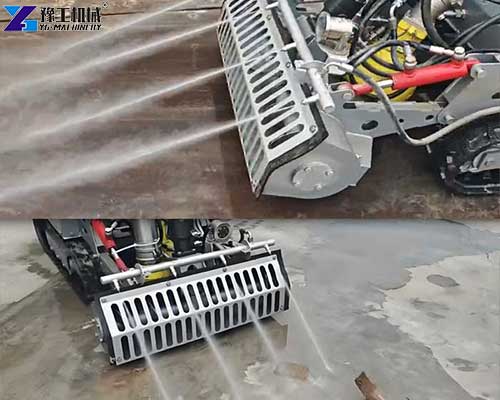
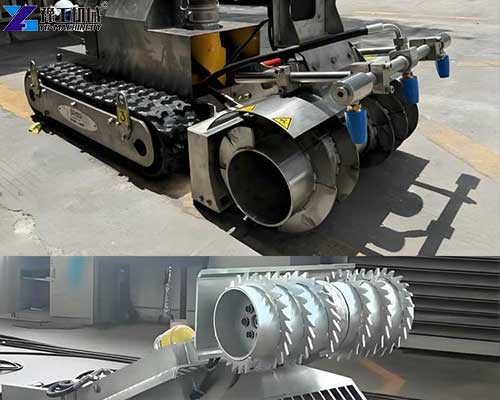
Compact sludge deposits are loosened by the front working system to improve removal efficiency.
2. Sludge Mixing and Conditioning
The system helps mix settled materials and improve sludge flow before suction.
3. Sludge Suction
A powerful pump extracts the loosened sludge from the tank bottom.
4. Remote Sludge Transportation
Removed sludge is transported through pipelines to:
- Collection tanks
- Treatment systems
- Dewatering equipment
This process reduces manual cleaning requirements and improves maintenance efficiency.
Key Advantages of Sludge Removal Robot
Remote Operation Without Manual Entry
Operators can control the equipment remotely during sludge removal operations.
Benefits include:
- Reduced manual cleaning work
- Better operation visibility
- Safer maintenance process
Designed for Different Sludge Conditions
The system can handle various materials, including:
- Wet sludge
- Organic sludge
- Settled sediment
- Industrial wastewater sludge
Customized configurations are available according to sludge concentration and project requirements.
Efficient Sludge Extraction and Transportation
The integrated system combines:
- Sludge loosening
- Suction pumping
- Pipeline transportation
to provide continuous sludge removal for different facilities.
How to Choose the Right Sludge Removal Robot?
The suitable solution depends on several factors:
Sludge Characteristics
Consider:
- Sludge viscosity
- Solid content
- Accumulation thickness
Different sludge conditions require different working configurations.
Tank Conditions
Important factors include:
- Tank dimensions
- Access openings
- Cleaning frequency
Compact models are suitable for limited-access areas, while larger systems are designed for higher-volume sludge removal.
Discharge Requirements
The pumping system should match:
- Transportation distance
- Sludge volume
- Discharge location
A customized solution helps achieve better cleaning performance.
Sludge Removal Robot vs Traditional Cleaning Methods
| Manual cleaning | High labor requirement and long maintenance time |
| Vacuum truck cleaning | Requires access and frequent transportation |
| Traditional pumping | Difficult for compacted bottom sludge |
| Sludge removal robot | Remote operation with integrated loosening and suction |
FAQ About Sludge Removal Robot
1. What types of sludge can a sludge removal robot handle?
The system is suitable for wet sludge, organic sludge, settled sediment, and industrial wastewater sludge.
2. Where can sludge removal robots be used?
Common applications include:
- Wastewater treatment plants
- Anaerobic digesters
- Sludge storage tanks
- Industrial wastewater facilities
3. Can sludge be removed without completely draining the tank?
In many applications, robotic sludge removal can reduce the need for complete tank emptying, helping facilities maintain continuous operation.
4. Is the sludge removal system customizable?
Yes. The solution can be customized according to tank size, sludge characteristics, pumping distance, and site conditions.
Improve Sludge Management with a Robotic Cleaning Solution
Effective sludge management is essential for wastewater plants, industrial facilities, and biological treatment systems.
The sludge removal robot provides a modern approach for removing accumulated sludge, reducing manual cleaning requirements, and improving maintenance efficiency.
For wastewater treatment plants, anaerobic digesters, and industrial sludge management projects, a customized robotic solution can help achieve safer and more efficient sludge removal.
Related Posts: