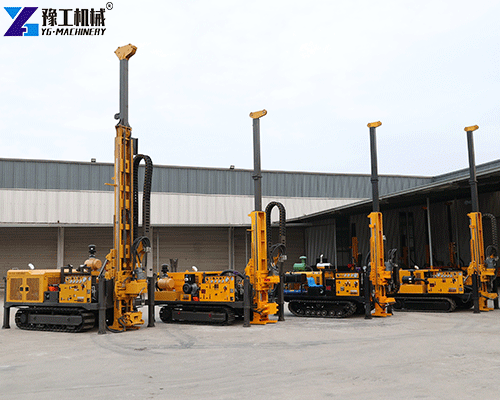
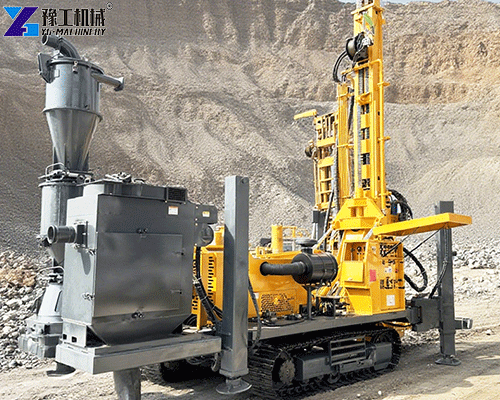
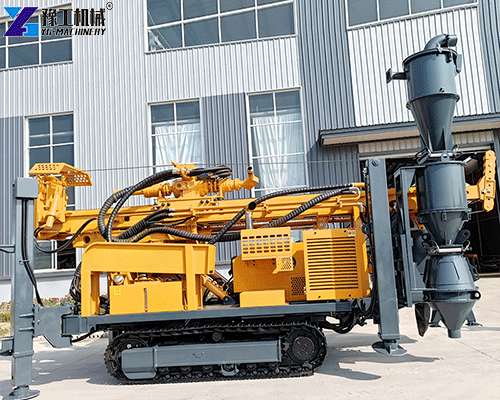
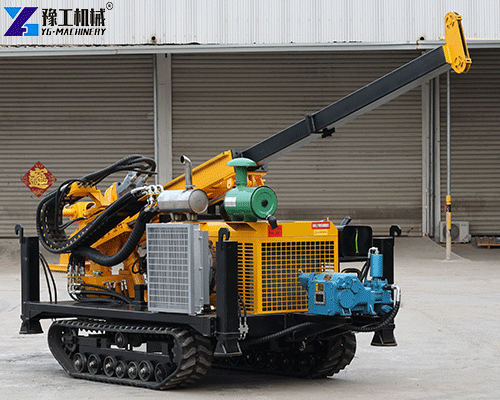
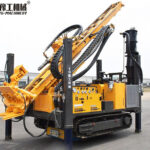
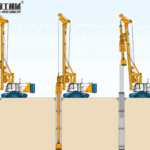
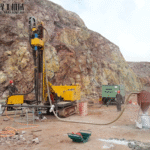
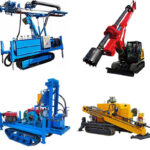
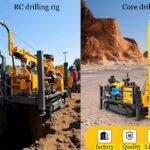
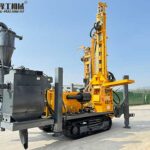
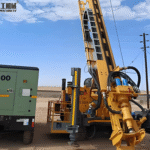
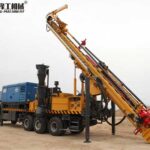
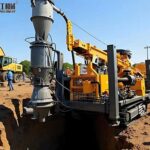
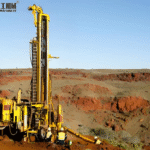
Choosing the right mineral exploration drilling rig is a critical decision for mining companies, geological survey teams, and exploration contractors. The wrong equipment selection can lead to slow drilling progress, poor sample quality, higher operating costs, and unnecessary project delays.
A suitable drilling rig should match your exploration objectives, geological conditions, drilling depth requirements, and working environment. This guide explains the key factors to consider when selecting mineral exploration drilling equipment and helps you make a more efficient investment decision.
Why Choosing the Right Mineral Exploration Drilling Rig Matters?
Mineral exploration projects often involve challenging conditions, including hard rock formations, remote locations, and uncertain geological structures. A drilling rig that is not properly matched to the project may cause:
- Low drilling efficiency
- Excessive equipment wear
- Poor sample recovery
- Higher fuel and maintenance costs
- Longer exploration cycles
The right mining exploration drilling rig improves drilling performance, reduces operational risks, and provides reliable geological data for resource evaluation.
1. Define Your Exploration Purpose
Before selecting a drilling rig, the first step is to clearly define your exploration goals.
Different projects require different drilling solutions:
Mineral Resource Exploration
If the goal is to identify and evaluate mineral deposits, accurate sampling is usually the priority.
Common requirements:
- High-quality rock samples
- Reliable geological information
- Good sample recovery rate
In this case, core drilling rigs and diamond drilling systems are commonly used.
Large-Scale Exploration Programs
For projects requiring rapid investigation across large areas, drilling speed and sample volume may be more important.
A reverse circulation (RC) drilling rig is often selected because it can provide:
- Faster drilling operation
- Efficient sample collection
- Lower exploration cost per meter
Geological Investigation Projects
For geological surveys and engineering studies, equipment selection depends on:
- Required drilling depth
- Ground conditions
- Sample requirements
Understanding the exploration purpose helps avoid choosing equipment with unnecessary capacity or insufficient performance.
2. Analyze Geological Conditions
Geological conditions are one of the most important factors when choosing exploration drilling equipment.
Different rock formations require different drilling technologies.
Hard Rock Formations
For granite, basalt, and other strong formations, the drilling rig needs:
- High torque output
- Strong penetration capability
- Durable drilling tools
Suitable options include:
- Diamond core drilling rigs
- DTH drilling rigs
- Top hammer drilling rigs
Soft or Unconsolidated Formations
Loose soil, gravel, and shallow formations require drilling methods designed for easier material removal.
Possible options:
- Auger drilling rigs
- Rotary drilling systems
Choosing the correct drilling method improves efficiency and reduces tool wear.
3. Determine Required Drilling Depth
Drilling depth directly affects the required power, structure, and configuration of the equipment.
Shallow Exploration
For shallow geological investigation, compact and portable equipment may be sufficient.
Advantages:
- Easy transportation
- Lower investment cost
- Flexible operation
Deep Mineral Exploration
Deep exploration projects require more powerful equipment with:
- Strong hydraulic systems
- Stable drilling performance
- Reliable components for long-term operation
A heavy-duty mineral exploration drilling rig is often preferred for deep drilling applications where consistent performance is essential.
4. Select the Right Drilling Method
Different drilling methods provide different advantages depending on project requirements.
Core Drilling
Best for:
- Detailed geological analysis
- Mineral sampling
- Resource evaluation
Main advantage:
High-quality continuous rock samples.
Reverse Circulation (RC) Drilling
Best for:
- Large exploration areas
- Fast sample collection
- Early-stage mineral evaluation
Main advantage:
Higher drilling efficiency and faster exploration progress.
DTH Drilling
Best for:
- Hard rock formations
- Deep holes
- High penetration requirements
Main advantage:
Strong impact energy and excellent rock-breaking capability.
Top Hammer Drilling
Best for:
- Surface rock drilling
- Quarry exploration
- Mining development applications
Main advantage:
Compact structure and good mobility.
Selecting the correct drilling method helps balance drilling speed, sample quality, and operating cost.
5. Consider Mobility and Site Conditions
Many mineral exploration projects are located in remote areas with difficult access.
Before purchasing a drilling rig, consider:
- Road conditions
- Working space
- Transportation limitations
- Terrain complexity
For challenging locations, suitable options may include:
Portable Exploration Drilling Rig
Advantages:
- Easy transportation
- Suitable for remote exploration sites
- Flexible deployment
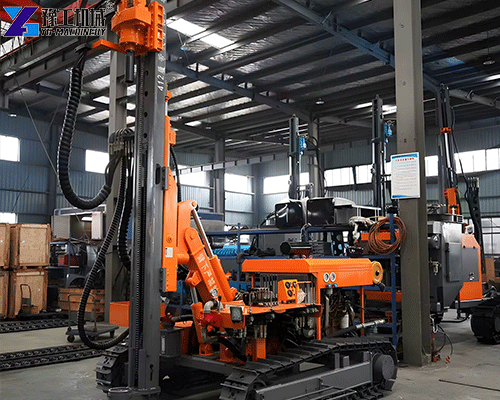
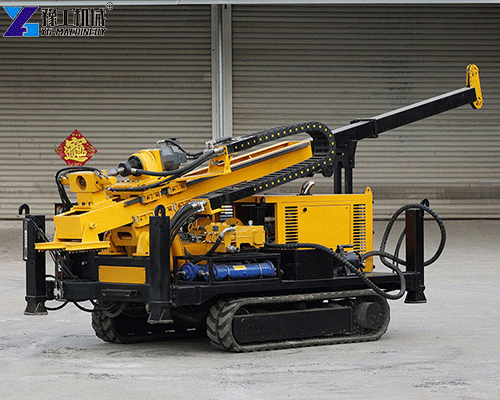
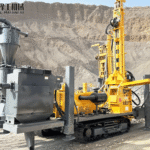
Crawler-Mounted Drilling Rig
Advantages:
- Better mobility on uneven terrain
- Improved stability
- Suitable for mountainous and rough environments
The right mobility configuration can significantly reduce setup time and improve project efficiency.
6. Evaluate Drilling Efficiency and Operating Cost
The lowest purchase price does not always mean the lowest total cost.
A reliable drilling rig should provide good long-term value through:
- Higher drilling productivity
- Lower maintenance requirements
- Reduced downtime
- Longer service life
Important factors include:
Drilling Speed
Faster drilling helps complete exploration programs sooner.
Energy Efficiency
Efficient hydraulic and power systems reduce operating expenses.
Maintenance Convenience
Easy access to components simplifies inspection and repairs.
A well-designed drilling machine helps mining companies control costs throughout the equipment lifecycle.
7. Check Equipment Reliability and Manufacturer Support
Exploration projects often operate far from service centers, making equipment reliability extremely important.
When choosing a drilling rig manufacturer, consider:
Manufacturing Experience
An experienced supplier understands different geological conditions and mining applications.
Technical Support
Professional support helps with:
- Equipment configuration
- Installation guidance
- Operation training
- Spare parts supply
Customization Capability
Different projects may require customized solutions based on:
- Drilling depth
- Rock conditions
- Transportation requirements
- Production targets
Working with a reliable drilling rig manufacturer reduces project risks and improves equipment performance.
8. Common Mistakes When Buying Exploration Drilling Equipment
Avoiding common mistakes can save significant time and money.
Choosing Equipment Based Only on Price
Low-cost equipment may result in:
- Lower productivity
- Higher maintenance costs
- Shorter service life
Focus on total operating value instead of initial purchase price.
Ignoring Geological Conditions
A drilling rig designed for soft formations may perform poorly in hard rock environments.
Always match:
- Rock type
- Drilling method
- Equipment capability
Selecting Excessive Capacity
Oversized equipment can increase:
- Transportation costs
- Fuel consumption
- Investment requirements
Choose a configuration that matches your actual exploration needs.
Not Considering After-Sales Support
Reliable technical support and spare parts availability are essential for long-term operation.
Mineral Exploration Drilling Rig Selection Checklist
Before purchasing, evaluate:
✔ Exploration objective
✔ Geological conditions
✔ Required drilling depth
✔ Sampling requirements
✔ Drilling method
✔ Site accessibility
✔ Operating cost
✔ Manufacturer experience
A careful evaluation process helps you select the most suitable drilling solution.
Conclusion
Choosing the right mineral exploration drilling rig requires more than comparing equipment specifications. The ideal solution should match your exploration purpose, geological conditions, drilling depth, and operating environment.
Core drilling rigs provide accurate geological samples, RC drilling rigs offer efficient large-scale exploration, and DTH drilling rigs deliver strong performance in hard rock formations.
By selecting the correct drilling equipment and working with an experienced manufacturer, mining companies can improve exploration efficiency, reduce operational risks, and obtain reliable geological information for future mining decisions.
For customized recommendations, consult our engineers with your drilling depth, rock conditions, and project requirements.
FAQ
1.What is the best drilling rig for mineral exploration?
The best drilling rig depends on project requirements. Core drilling rigs are suitable for accurate sampling, RC drilling rigs are ideal for fast exploration, and DTH drilling rigs work well in hard rock conditions.
2.How do I choose between RC drilling and core drilling?
Choose core drilling when detailed geological samples are required. Choose RC drilling when faster drilling speed and large-volume sampling are the main priorities.
3.What factors affect the choice of a mineral exploration drilling rig?
Key factors include geological conditions, drilling depth, sampling requirements, site accessibility, operating costs, and equipment reliability.
4.Should I choose a portable or crawler-mounted exploration drilling rig?
Portable rigs are suitable for remote areas requiring easy transportation, while crawler-mounted rigs provide better stability and mobility on difficult terrain.