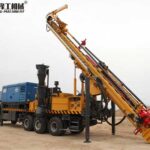
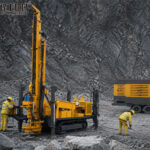
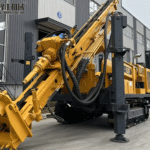
Mineral exploration is the first and one of the most important stages of mining development. Before investing in mine construction, companies need accurate geological information to identify ore deposits, understand underground formations, and evaluate resource potential.
Different geological conditions and exploration objectives require different drilling methods. Choosing the right mineral exploration drilling rig can directly affect drilling efficiency, sample quality, project cost, and exploration success.
This guide explains the main types of mineral exploration drilling rigs, their working principles, applications, and advantages to help mining companies select the right drilling equipment for their projects.
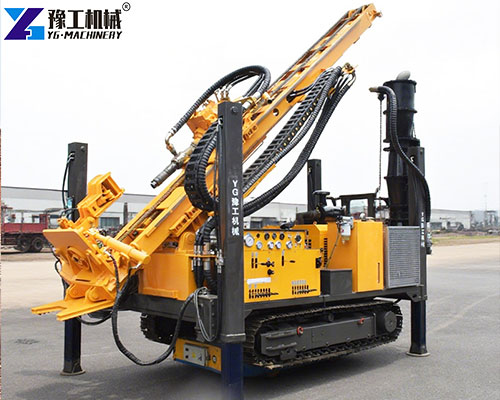
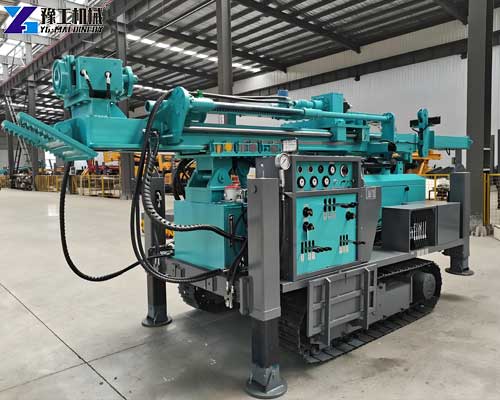
Mineral exploration drilling rigs are specialized machines used to create boreholes and collect geological samples from underground formations. They are widely used in mining exploration, geological surveys, and resource evaluation projects.
Unlike general construction drilling equipment, exploration drilling rigs are designed for:
Obtaining high-quality geological samples
Drilling through hard rock formations
Reaching target depths efficiently
Working in remote and challenging environments
Supporting accurate mineral resource assessment
The selection of drilling equipment depends on factors such as:
Best for: Accurate geological sampling and mineral analysis
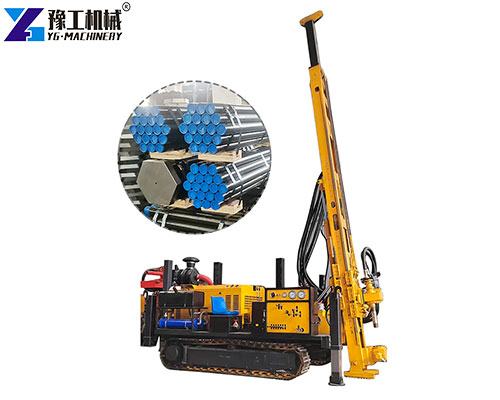
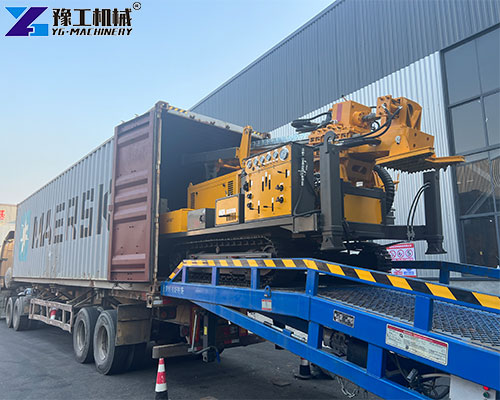
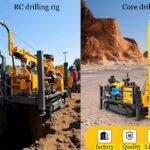
A core drilling rig (Wireline Core Drilling Rig) is one of the most widely used types of mineral exploration drilling equipment. It uses a diamond drill bit to cut cylindrical rock samples, known as cores, from underground formations.
The collected core samples provide detailed information about:
Mineral composition
Rock structure
Ore distribution
Geological conditions
For professional mineral exploration, diamond core drilling rigsare often preferred because they provide high-quality samples with excellent recovery rates.
Best for: Fast mineral exploration and large-scale sampling
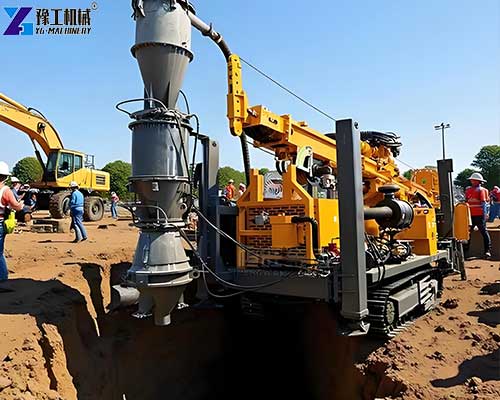
A Reverse Circulation (RC) Drilling Rig is designed for rapid exploration drilling and bulk sample collection. Unlike conventional drilling methods, RC drilling uses dual-wall drill pipes to circulate compressed air and bring rock chips back to the surface.
This method allows mining companies to quickly collect samples while reducing contamination risks.
Advantages of RC Drilling Rigs
Faster drilling speed
Efficient sample collection
Lower operating costs
Suitable for large exploration programs
RC drilling is widely used in:
Gold exploration
Copper exploration
Open-pit mining projects
Early-stage resource evaluation
For projects requiring fast geological information over large areas, RC drilling equipment is often a cost-effective solution.
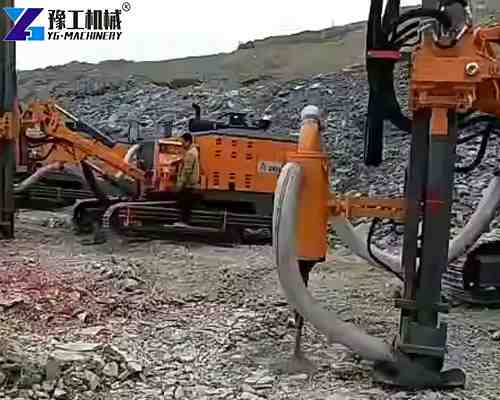
A DTH Drilling Rig uses a pneumatic hammer positioned near the drill bit to deliver powerful impact energy directly into the rock.
This drilling method is especially effective in hard formations where high penetration capability is required.
Advantages of DTH Drilling Rigs
Strong rock penetration ability
Suitable for hard geological formations
Stable drilling performance
Capable of deep hole drilling
DTH drilling rigs are commonly used in:
Mining operations
Quarry exploration
Blast hole drilling
Geotechnical investigation
Compared with some sampling-focused drilling methods, DTH systems are often selected when drilling speed and penetration performance are the main priorities.
Best for: Flexible drilling in different geological conditions
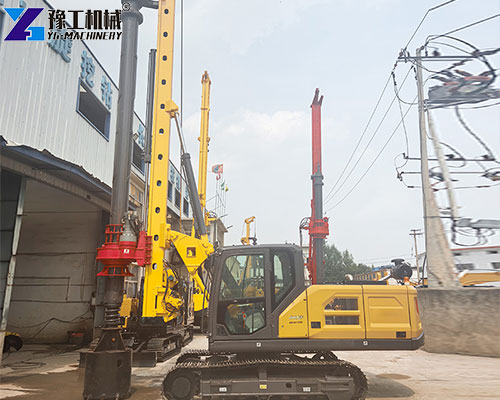
A Rotary Exploration Drilling Rig uses continuous rotation and drilling pressure to break rock formations. It is a versatile drilling method widely used in mineral exploration and geological investigation.
Rotary drilling systems can be configured for different drilling requirements, including core drilling, RC drilling, and other specialized methods.
Advantages of Rotary Drilling Rigs
High torque output
Flexible drilling applications
Suitable for various rock conditions
Adaptable to different drilling tools
These rigs are commonly used in:
Mineral exploration projects
Geological surveys
Deep drilling applications
Their flexibility makes them suitable for exploration companies working in different geological environments.
A Top Hammer Drilling Rig transfers impact energy from the drill hammer through the drill string to the drill bit. It is widely used for rock drilling where mobility and drilling speed are important.
Although top hammer systems are more commonly associated with mining development and quarrying, they can also support certain exploration applications.
How to Choose the Right Mineral Exploration Drilling Rig?
Choosing the right mineral exploration drilling rig depends on several factors, including geological conditions, drilling depth, sampling requirements, and project location.
Different exploration environments require different drilling solutions:
Hard rock formations: DTH drilling rigs or diamond core drilling rigs are suitable for strong penetration and accurate sampling.
Large-scale exploration projects: RC drilling rigs provide fast drilling and efficient sample collection.
Remote areas: Portable or crawler-mounted drilling rigs offer better mobility and easier transportation.
Understanding your project requirements helps select the most efficient drilling method and improve exploration performance.
For a detailed selection guide, please refer to our guide on how to choose a mineral exploration drilling rig.
Understanding the different types of mineral exploration drilling rigs helps mining companies select the most suitable equipment for their geological conditions and exploration goals.
Core drilling rigs provide accurate rock samples, RC drilling rigs deliver efficient large-scale exploration, and DTH drilling rigs offer strong performance in hard rock formations. Other drilling methods, such as rotary, top hammer, and auger drilling, provide additional solutions for different project requirements.
Choosing the right mineral exploration drilling rig can improve drilling efficiency, reduce exploration costs, and provide more reliable geological data for future mining decisions.
1.What is the most common drilling rig for mineral exploration?
Core drilling rigs and RC drilling rigs are among the most commonly used equipment for mineral exploration because they provide reliable geological information and efficient sampling.
2.What is the difference between RC drilling and core drilling?
RC drilling collects rock chips through reverse circulation, while core drilling extracts continuous cylindrical rock samples. RC drilling is generally faster, while core drilling provides more detailed geological information.
3.Which drilling rig is suitable for hard rock?
DTH drilling rigs, diamond core drilling rigs, and top hammer drilling rigs are commonly used for hard rock drilling due to their strong penetration capability.
4.How do I choose a mineral exploration drilling rig?
The right choice depends on drilling depth, rock conditions, sampling requirements, project location, and exploration budget.