Confined Space Sludge Cleaning Robot for Difficult Access Areas
confined space sludge cleaning robot
remote controlled sludge removal robot
Sludge removal becomes far more challenging when the working area has limited access, narrow entrances, enclosed structures, or insufficient space for conventional equipment. Sending workers into these environments can increase safety risks, while excavators, dredgers, and large cleaning machines may be unable to reach the sludge accumulation area.
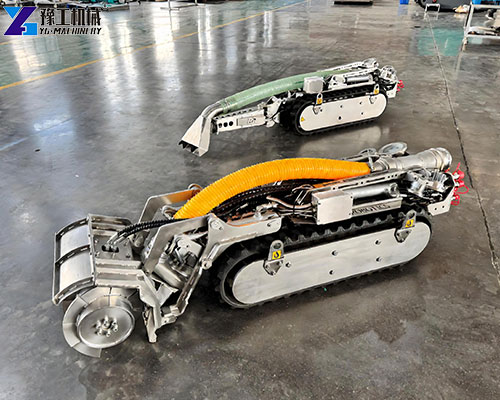
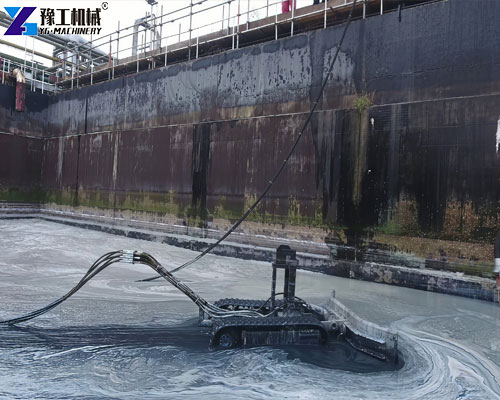
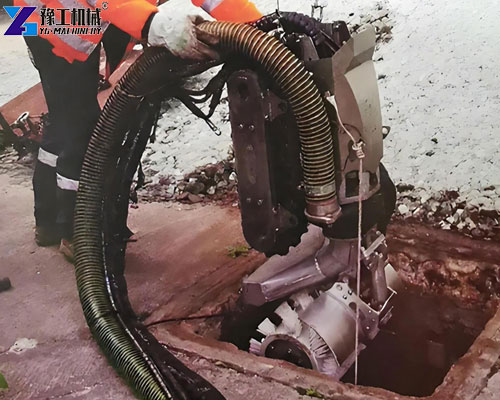
Our confined space sludge cleaning robot is designed for these difficult conditions. With a compact structure, remote-controlled operation, sludge agitation, and pumping capability, it can remove sludge, sediment, silt, and slurry from restricted-access environments without requiring operators to work directly inside the cleaning area.
The system is suitable for sedimentation tanks, wastewater treatment facilities, underground chambers, industrial pits, pump stations, and large-diameter municipal drainage pipelines where the internal dimensions and access conditions allow safe robot deployment.
Confined space sludge cleaning refers to removing accumulated sludge and sediment from enclosed or restricted-access environments where conventional cleaning equipment cannot easily operate.
These areas may have:
Narrow manholes or access openings
Limited internal working space
Underground or enclosed structures
Deep sludge accumulation
Difficult equipment access
Hazardous conditions for manual cleaning
For these projects, the main challenge is not only removing the sludge. The equipment must first be able to reach the working area safely and efficiently.
A confined space sludge cleaning robot addresses this problem by entering the cleaning area directly and performing remote-controlled sludge removal from inside the structure.
Why Traditional Sludge Cleaning Methods Are Difficult ?
Traditional cleaning methods often depend on manual labor, vacuum trucks, excavators, or fixed pumping systems. However, these solutions can have limitations in difficult-access environments.
Workers may need to enter enclosed areas manually. Large equipment may not fit through the available access opening. Fixed suction hoses may struggle to reach sediment located far from the entrance or remove compacted sludge effectively.
Common challenges include:
Limited access for large equipment
High labor requirements
Difficult and hazardous working conditions
Thick or compacted bottom sludge
Long cleaning and maintenance periods
Limited reach of conventional suction equipment
High facility shutdown costs
A remote-controlled sludge removal robot provides an alternative by taking the cleaning equipment directly to the sludge accumulation area.
Remote-Controlled Sludge Removal Without Direct Worker Entry
One of the main advantages of a confined space sludge removal robot is remote operation.
Instead of placing operators directly inside difficult working environments, the robot can be controlled from outside the structure. The operator monitors movement and cleaning operations while the machine travels to the sludge accumulation area.
This approach is particularly valuable for enclosed tanks, underground structures, and restricted-access facilities where manual cleaning is inefficient or operationally challenging.
Access limitations are often the first problem to solve before sludge removal can begin.
Large excavators and conventional dredging equipment require significant entry space and working room. In contrast, a compact robotic sludge removal system can be configured for projects with limited access conditions.
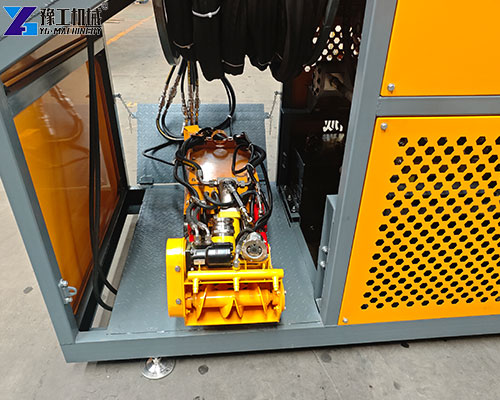
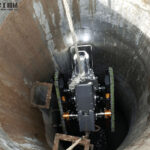
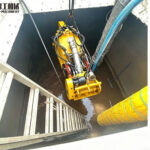
Depending on the selected model and actual site requirements, the robot can be deployed through suitable access points and lowered into the working area.
Compact Dredging Robot for Restricted Access
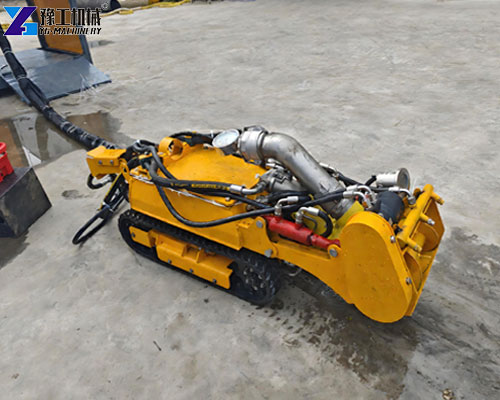
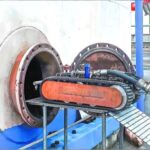
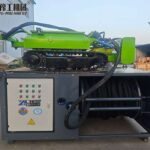
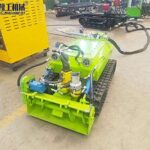
A compact dredging robot is designed for sludge removal projects where tank entrances, manholes, or internal working areas restrict equipment access. Compact models such as the YG450 are suitable for applications requiring a narrower robot configuration and easier deployment through limited openings. The appropriate model depends on the access dimensions, internal working space, sludge characteristics, and pumping requirements.
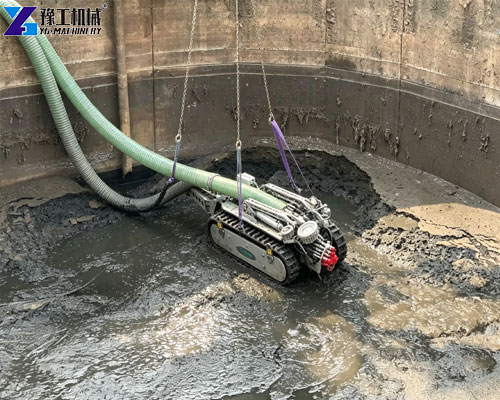
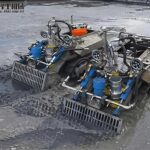
The compact crawler structure allows the machine to move across the bottom of tanks, chambers, and other confined environments while performing sludge agitation and pumping.
Before selecting a robot, important access information should include:
Settled sludge is often difficult to remove with suction alone.
Over time, sediment can become compacted at the bottom of tanks, drainage structures, and industrial facilities. Sand, silt, organic matter, and other solids may form dense deposits that require agitation before pumping.
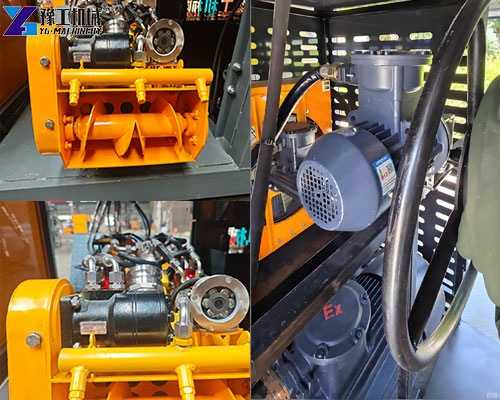
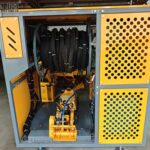
The confined space sludge cleaning robot combines sludge agitation with pumping capability.
How the System Works?
Robot Deployment: The robot is lowered or placed into the restricted-access working area through a suitable entrance.
Remote Movement: The operator remotely controls the crawler robot and guides it toward sludge accumulation areas.
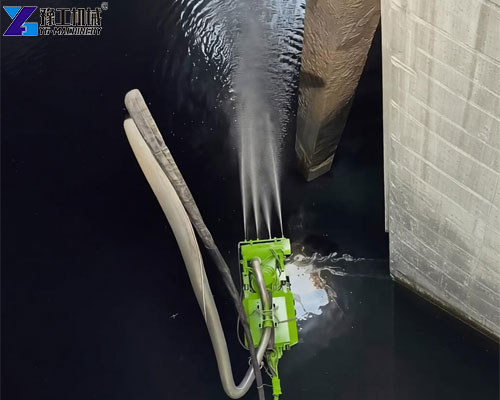
Sludge Agitation: The working mechanism loosens settled sludge, sediment, and compacted material.
Slurry Pumping: The loosened material is converted into a pumpable slurry and transported through a discharge pipeline.
This integrated working process allows sludge to be removed directly from the accumulation area instead of relying only on long suction hoses from outside the structure.
Large-Diameter Municipal Drainage Pipeline Desilting
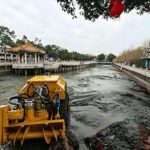
Confined space cleaning is not limited to tanks and chambers. Large municipal drainage pipelines can also create difficult sludge removal conditions, particularly when sediment, silt, and debris accumulate along the pipe bottom over time.
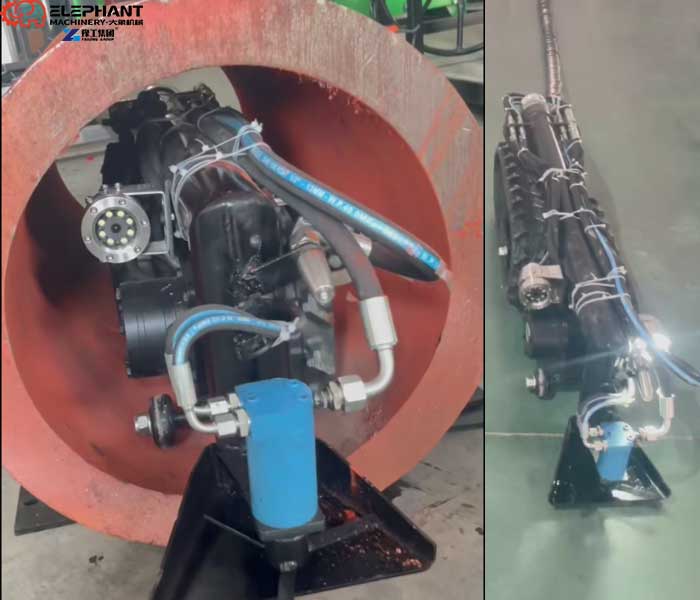
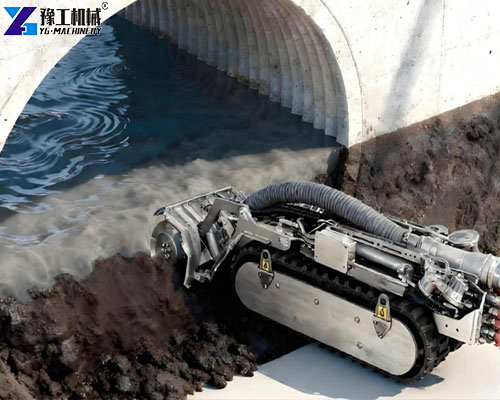
For large-diameter pipelines with sufficient internal dimensions and suitable access conditions, a compact remote-controlled dredging robot can be deployed to remove accumulated material.
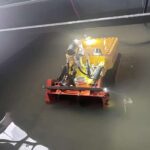
The robot can travel inside the pipeline, reach sediment deposits, loosen compacted material, and pump the slurry to a designated discharge location.
Typical applications may include:
Large-diameter municipal drainage pipelines
Stormwater drainage systems
Underground drainage channels
Large culverts
Restricted-access water infrastructure
This solution is particularly useful when sediment accumulation occurs beyond the reach of conventional suction equipment.
However, robot deployment should always be evaluated according to actual site conditions. Internal pipe dimensions, access opening size, slope, obstacles, turning requirements, and discharge distance must be considered before selecting a suitable model.
Typical Applications for Confined Space Sludge Cleaning
1.Sedimentation Tanks
Sedimentation tanks gradually accumulate solids at the bottom, reducing effective capacity and affecting normal operation. A robotic sludge removal system can remove settled material while minimizing the need for equipment or personnel inside the tank.
2.Wastewater Treatment Facilities
Wastewater treatment plants often contain tanks and structures where sludge accumulates over time. Remote-controlled cleaning equipment can provide an efficient solution for periodic desilting and maintenance.
3.Underground Chambers
Underground chambers often have narrow entrances and limited internal space. Compact robotic equipment can reach areas where conventional machinery cannot operate easily.
4.Pump Stations
Sediment and sludge accumulation inside pump stations can affect operational efficiency. A confined space cleaning robot can help remove bottom deposits from difficult-access areas.
5.Industrial Tanks and Pits
Industrial facilities may require cleaning inside enclosed tanks, pits, and processing structures. Robotic sludge removal reduces the need to rely entirely on manual cleaning methods.
6.Large-Diameter Drainage Pipelines
Municipal drainage infrastructure can accumulate sediment that reduces water flow capacity. Where internal dimensions and access conditions permit safe deployment, a remote-controlled robot can provide targeted sediment and sludge removal.
Key Advantages of Our Confined Space Sludge Cleaning Robot
Remote-Controlled Operation: Control the robot from outside the cleaning area, reducing the need for operators to work directly inside difficult-access environments.
Compact Deployment: Suitable configurations can be selected for projects with limited access openings and restricted internal working space.
Tracked Mobility: The crawler design allows stable movement toward sludge accumulation areas inside tanks, chambers, and other confined structures.
Integrated Sludge Removal: Combines material agitation and pumping to improve the removal of settled sludge and sediment.
Difficult-Access Capability: Designed for locations where conventional excavators, dredgers, and large cleaning equipment cannot easily operate.
Flexible Applications: Suitable for industrial, municipal, wastewater treatment, and water infrastructure projects with restricted access conditions.
Customized Configuration: Robot size, pumping capacity, discharge pipeline, and other configurations can be selected according to actual project requirements.
Access Opening Size: Measure the width and height of the manhole, hatch, or entrance to confirm whether the robot can be safely deployed.
Internal Working Dimensions: Provide the width, height, and length of the tank, chamber, or pipeline, including any limitations on turning or movement.
Sludge Characteristics: Describe the material to be removed, including sludge thickness, sediment type, particle size, and whether it contains sand, stones, or debris.
Working Depth: Water depth and sludge depth affect robot configuration and operational requirements.
Required Pumping Capacity: The required flow rate depends on the volume of material and the desired cleaning efficiency.
Discharge Distance: Longer pumping distances may require appropriate pump power and discharge pipeline configuration.
Site Conditions: For pipelines and underground structures, factors such as slope, obstacles, bends, and access for lifting equipment should also be evaluated.
Providing accurate site information helps ensure the selected sludge cleaning robot matches the actual working environment.
A Practical Solution for Difficult-Access Sludge Removal
Restricted access should not prevent effective sludge cleaning.
Whether the project involves a sedimentation tank, underground chamber, pump station, industrial pit, wastewater facility, or large-diameter municipal drainage pipeline, the main challenge is often getting effective cleaning equipment to the sludge accumulation area.
A confined space sludge cleaning robot combines compact mobility, remote operation, sludge agitation, and pumping capability to address this challenge.
By bringing the equipment directly to the sediment instead of relying entirely on manual labor or external suction systems, operators can perform more controlled and efficient sludge removal in difficult-access environments.
Get a Customized Confined Space Sludge Removal Solution
Every confined space cleaning project has unique access conditions and material characteristics.
To recommend a suitable sludge removal robot, please provide:
Access opening dimensions
Tank, chamber, or pipeline dimensions
Photos or videos of the working site
Sludge type and thickness
Water depth
Estimated sediment volume
Required pumping distance
Information about obstacles or internal structures
For large-diameter municipal drainage pipelines, please also provide the internal pipe diameter, pipeline length, slope, bends, and access point dimensions.
Based on your actual working conditions, our technical team can recommend a suitable remote-controlled sludge removal solution and equipment configuration.
Contact us today to discuss your confined space sludge cleaning project and find the right robotic solution for difficult-access sludge removal.
confined space sludge removal robot access
compact dredging robot sludge breaking water jet pumping system
A confined space sludge cleaning robot is a remote-controlled machine designed to remove sludge, sediment, and slurry from restricted-access environments such as tanks, underground chambers, pump stations, industrial pits, and suitable large-diameter drainage pipelines.
2.Can the robot work in large municipal drainage pipelines?
Yes, the robot can be evaluated for large-diameter municipal drainage pipelines where internal dimensions and access conditions allow safe deployment. Pipe diameter, slope, bends, obstacles, and access opening size should be confirmed before equipment selection.
3.Can the robot enter through a narrow manhole?
Depending on the selected model, compact configurations can be used for restricted access conditions. The actual manhole or entrance dimensions should be provided for evaluation.
4.Can the robot remove thick and compacted sludge?
The system combines sludge agitation and pumping to help loosen settled material and create a pumpable slurry. The final equipment configuration depends on sludge characteristics and particle size.
5.Is it suitable for wastewater treatment plants?
Yes. The robot can be used for sludge and sediment removal in wastewater treatment tanks, sedimentation structures, pump stations, and other difficult-access areas.
6.What information is needed to select the right model?
Please provide access dimensions, internal working dimensions, sludge characteristics, water depth, estimated material volume, pumping distance, and photos or videos of the working environment.